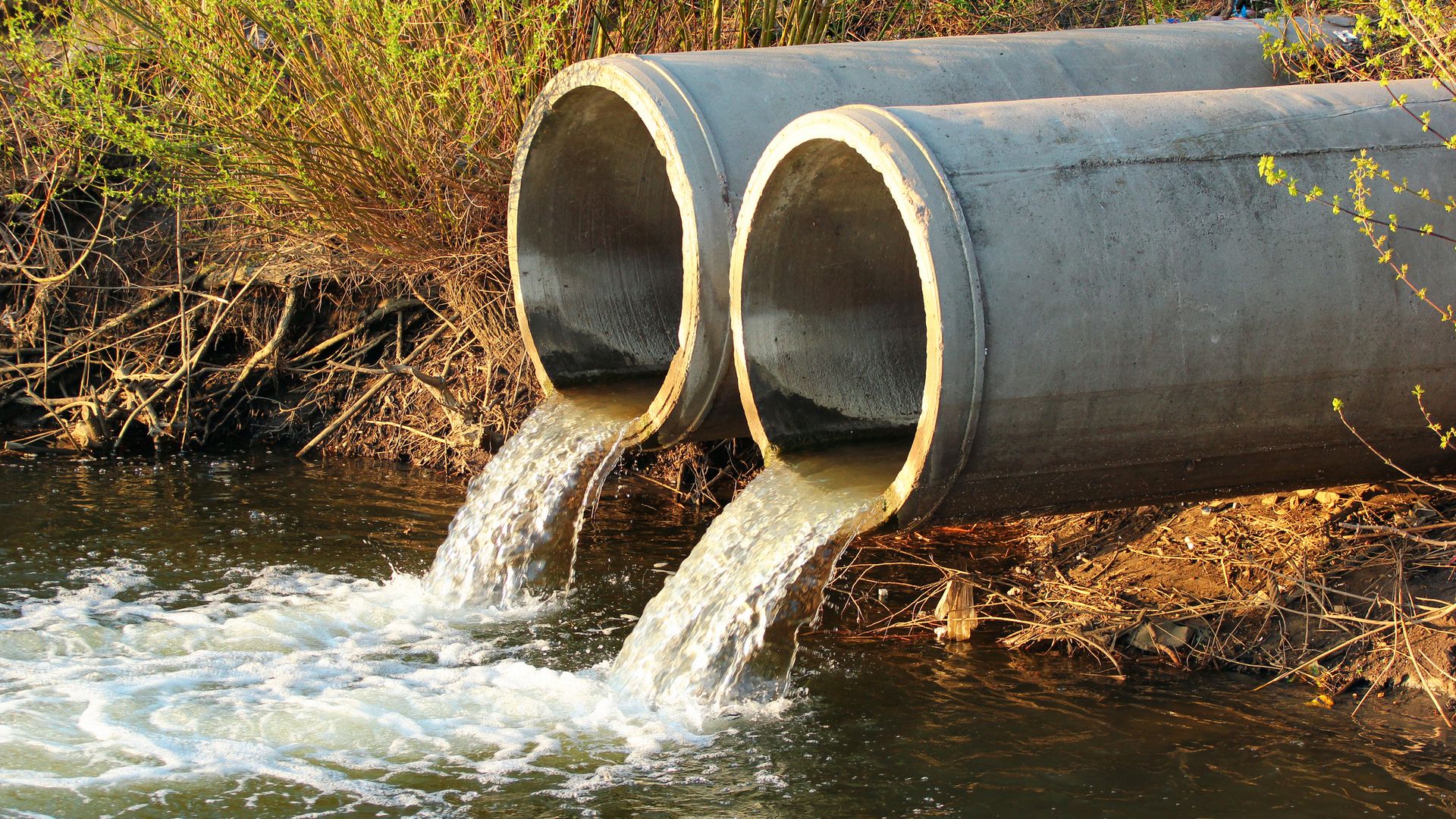
Welsh Water is paying £44.7 million because it failed to manage basic human waste. The industry regulator, Ofwat, finally locked in this massive enforcement package after confirming a disastrous string of sewage spills and management failures. If you live in Wales, this isn't just an abstract corporate headline. It hits your wallet and your local environment directly.
The public is furious, and honestly, they should be. This decision wraps up a deep investigation into Dŵr Cymru Welsh Water, proving the company didn't maintain or upgrade its pipes to handle standard wastewater levels. Worse, senior bosses lacked the proper oversight to prevent the resulting environmental mess. In related updates, read about: Inside the Australian Tech Crisis Nobody is Talking About.
Here is the real kick in the teeth. This penalty lands right as local households absorb a 4.8% hike in their water bills for the 2026-27 financial year. Your average annual bill just jumped from £652 to £683. You pay more, while the rivers near your house get worse.
Where the Millions Are Actually Going
We often see massive corporate fines disappear into government coffers, leaving the damaged communities with nothing. This package works differently. Because Ofwat used a formal enforcement mechanism instead of a standard fine, the money has to be spent directly on fixing the infrastructure. The Economist has also covered this fascinating issue in extensive detail.
The cash breaks down into two distinct piles.
The first pile takes up £40.6 million. Welsh Water must use these funds to reduce spills at specifically identified storm overflows. A major chunk will go toward sealing private sections of the sewer network. This matters because groundwater constantly leaks into these older pipes, overloading the system and triggering emergency sewage dumps during heavy rain.
The remaining £4.1 million is earmarked for river water quality. This money targets highly sensitive ecological catchments that have been battered by excessive spills.
Ofwat senior director for enforcement, Lynn Parker, made it clear that the regulator expects the company to focus entirely on putting things right. The biggest win for consumers here is that the £44.7 million penalty cannot be added to customer bills. The company has to find the cash from its own commercial funds.
The Myth of the Not For Profit Savior
For years, defenders of the Welsh utility setup pointed out that Welsh Water operates under a non-profit model. Unlike Thames Water or Southern Water, it doesn't answer to aggressive equity funds or overseas billionaires. It has no shareholders.
This structure was supposed to protect consumers and the environment. Clearly, it didn't.
The failure at Welsh Water proves that organizational structure doesn't matter if operational management is weak. A non-profit company can neglect its infrastructure just as badly as a private equity cash cow. The investigation highlighted a severe lack of internal processes and senior executive accountability.
Wales currently suffers from some of the highest levels of sewage discharges in the UK. Janet Finch-Saunders, the Welsh Conservative Shadow Secretary for Climate Change and the Environment, openly questioned what customers are actually paying for. Bill increases were marketed as a way to fix old infrastructure, yet the pollution kept happening.
Why Regulators Are Catching Up Too Late
Welsh Water is the seventh major utility firm to face severe regulatory action recently. Ofwat has managed to claw back around £300 million across the sector through these wastewater probes.
But let's be real about the timeline. This enforcement package follows years of persistent, documented ecological neglect. Regulators are reacting to a crisis that has already happened, rather than preventing it.
The regulatory landscape itself is fracturing. Ofwat faces so much criticism for its historic leniency that the government plans to replace the watchdog entirely. The current system allowed water companies across England and Wales to under-invest in basic pipe networks for decades, treating storm overflows as a regular operational tool instead of an emergency backup.
What This Means for Your Next Bill
If you're looking at your rising monthly direct debit, you're experiencing the cost of systemic neglect. Welsh Water claims it started a major corporate transformation program over the last year to improve governance and accelerate investment.
The company points to a few minor wins in the 2025-26 period. Water quality complaints dipped slightly, internal sewer flooding decreased, and leak repair activity increased.
But the infrastructure deficit is massive. Fixing thousands of miles of Victorian and mid-century piping requires billions, not millions. Your bills are rising because the company needs money to build the network it should have built ten years ago.
Check Your Local Impact and Take Action
You shouldn't just sit back and accept poor utility performance. If you want to hold your local provider accountable, you need to monitor what's happening in your immediate area.
- Track local river health: Use the Rivers Trust interactive sewage map to see exactly how often the storm overflows near your home are discharging raw effluent.
- Log service failures: Document every instance of low water pressure, weird discoloration, or localized flooding. Report these directly to the Consumer Council for Water (CCW) if the company ignores your complaints.
- Challenge bill inaccuracies: Ensure you aren't paying for surface water drainage if your property's rainwater flows directly into a soakaway or a natural watercourse instead of the public sewer. You can claim a rebate on your bill for this.
The era of trusting utility executives to protect the environment is over. Watch the data, scrutinize your bills, and force these monopolies to earn your money.