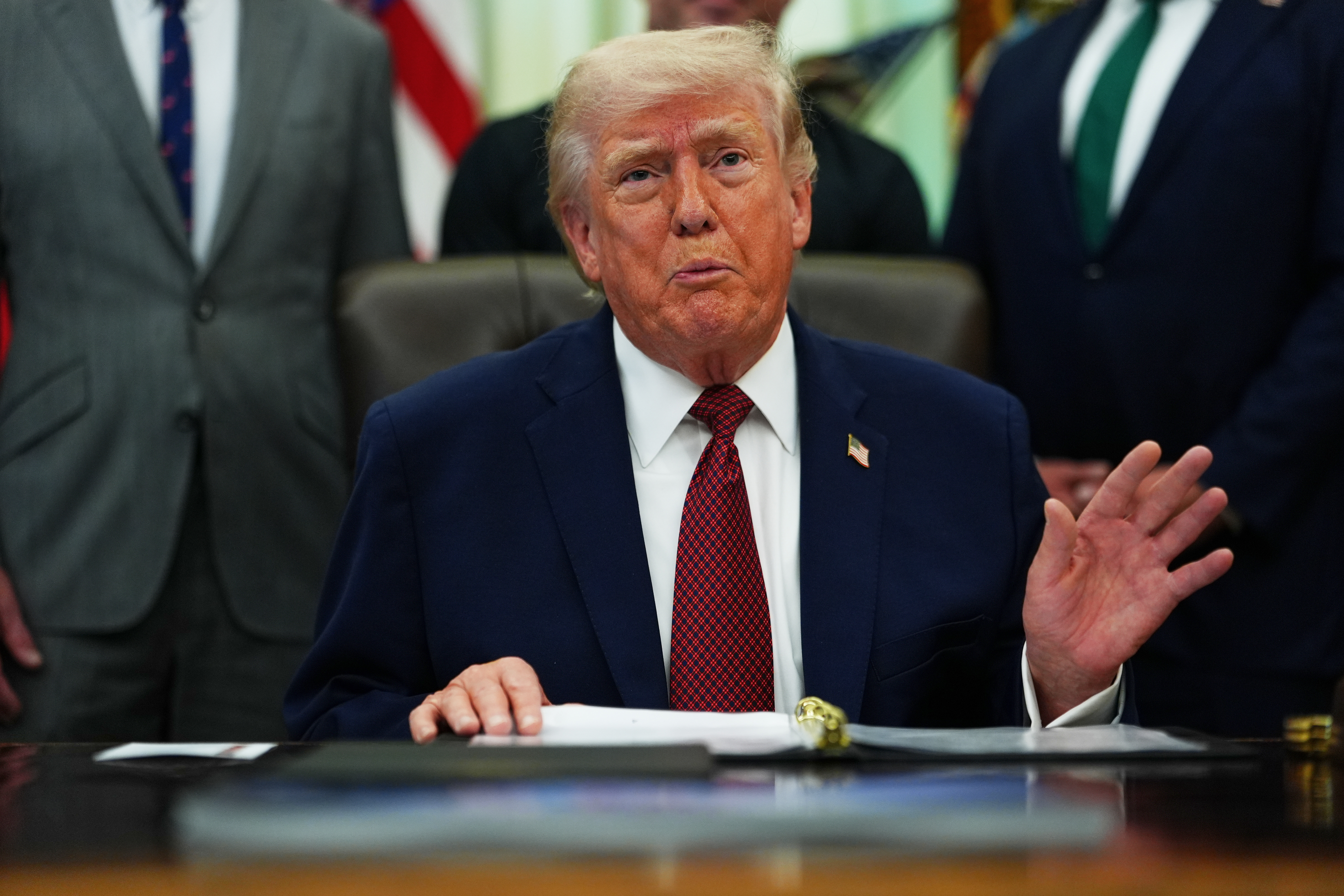
The air in a high-stakes negotiation room doesn’t smell like history books. It smells like stale coffee, expensive wool suits dampened by nervous sweat, and the faint, metallic tang of oxygen being sucked out of the room by people who haven't slept in forty-eight hours. When Donald Trump announces that US negotiators are heading back to the table for critical war talks, the headlines focus on the logistics. They track flight paths. They count the number of advisors. But they miss the ghost at the table: the thousands of families waiting for a phone call that says the shooting has finally stopped.
War is an abstraction until it isn't. To a negotiator, it is a series of leverage points, territorial lines on a map, and trade concessions. To a mother in a basement listening to the rhythmic thud of artillery, it is the difference between life and a shallow grave. This is the gap that a handful of men and women are flying across the ocean to bridge.
The Invisible Burden of the Briefcase
Imagine a negotiator named Sarah. She isn't a real person, but she is a composite of every State Department official who has ever skipped a child’s birthday to argue over a "non-starter" clause in a draft treaty. She sits in the back of a government transport plane, her laptop glowing in the dark cabin. She isn't just carrying data. She is carrying the weight of the previous failed attempts.
Every time a peace talk collapses, the price of the next one goes up. Trust is a currency that devalues faster than any hyper-inflated ruble or dollar. When the US sends its team back into the fray, they aren't just bringing proposals; they are bringing the desperate hope that this time, the ego of the combatants has finally been bruised enough to let logic through the door.
The President’s announcement serves as the starting gun for a sprint that happens behind closed doors. The public sees the "tough talk" and the social media posts. The reality is much quieter. It is the sound of a pen scratching out a word—changing "must" to "shall," or "immediately" to "within a reasonable timeframe"—because that single word represents three more months of trench warfare.
The Geometry of a Deadlock
Most people think of these talks as a debate. It’s actually more like a high-stakes game of Jenga played in a hurricane. You pull one block—say, a demand for a demilitarized zone—and the entire structure of the opposing side's domestic political survival begins to wobble.
The negotiators have to find a way to let everyone win just enough so they don't get assassinated or deposed when they go home. It is a cynical, beautiful, and terrifying dance.
Consider the "sunk cost" of a war. If a nation has lost fifty thousand young men, the leader cannot simply walk into a room and say, "We’re going back to the old borders." They need a "victory" to justify the cemeteries. The US negotiators are effectively tasked with inventing that victory out of thin air, crafting a narrative that allows both sides to stop killing without losing face.
It is easy to be cynical about these talks. We’ve seen them before. We’ve heard the promises of "progress" followed by the familiar sound of missile batteries. But cynicism is a luxury for those who aren't in the line of fire. For the people living in the contested zones, these "dry" diplomatic maneuvers are the only thing standing between them and total erasure.
The Human Cost of the "Almost" Deal
There is a specific kind of cruelty in a negotiation that almost succeeds. In the hallways of these European hotels or Middle Eastern compounds, there are moments where a deal is ninety percent done. The tension breaks. People smile. They reach for the good scotch.
Then, a phone rings.
A hardliner back home has seen a leak. A general decides he wants one more week to seize a specific hill. The deal vanishes. The negotiators go back to their rooms, pack their bags, and fly home while the body bags start filling up again.
This is why the "critical" nature of these talks, as emphasized by the White House, isn't just political hyperbole. We are at a tipping point where the infrastructure of the conflict is becoming permanent. When a war goes on long enough, it stops being an event and starts being an economy. People get used to the darkness. They find ways to profit from the rubble.
The US team is heading back to try and break that cycle before the concrete hardens. They are fighting the "normalization" of horror.
The Silence After the Announcement
The headlines will move on by tomorrow. They will focus on domestic polls or the latest celebrity scandal. But in the quiet suburbs of Virginia and the fortified offices in D.C., the lights will stay on all night.
These negotiators aren't superheroes. They are tired professionals with high blood pressure and strained marriages. They are people who have memorized the maps of cities they have never visited, cities they are trying to save from becoming footnotes in a history of ruins.
When the plane touches down, there won't be a parade. There will just be a gray room, a stack of papers, and the crushing realization that if they fail, the world keeps burning. They aren't just negotiating for a "win" for the administration. They are negotiating for the privilege of a boring, peaceful Tuesday for people they will never meet.
The door to the conference room swings shut. The cameras are pushed back. The real work—the agonizing, pedantic, life-saving work—begins in the silence that follows.
A single hand reaches for a carafe of water. A voice clears its throat. The first sentence is spoken. Outside, the world waits to see if those words are strong enough to stop a bullet.