Heavy oak doors do not simply close; they echo. Long after the latch clicks into place, the vibration travels through stone floors, rattling the quiet air of rooms that have known centuries of protocol.
Think of a threshold. Not just a line of wood separating inside from out, but a boundary drawn between what was expected and what had to be survived. Don't miss our previous post on this related article.
Prince Harry and Meghan Markle know the sound of that closing door intimately. They have lived its acoustics for years, separated from Windsor and Balmoral by thousands of miles of Atlantic ocean, relentless camera lenses, and a wall of carefully worded statements issued by press offices. Yet, whispers persist. Every calendar adjustment, every rumor of a transatlantic flight, sparks a familiar public fever. Are they coming back? Will the fences mend? Can an institution built on permanence accommodate people who chose escape?
To understand the persistent gravity pulling them back toward the United Kingdom, one must look past the gossip columns and into the psychology of exile. Exile is rarely clean. It does not arrive with a quiet sigh of relief; it arrives with an itch, a persistent curiosity about the ghosts left behind. To read more about the background of this, Wall Street Journal offers an excellent summary.
Consider what happens when a family becomes a corporation.
When you sit down at a holiday dinner where every smile is cataloged by historians and every whispered argument risks a front-page headline, normal human grief ceases to exist. Misunderstandings harden into permanent monuments. A missed phone call becomes an international incident. A decision to step down from official duties is interpreted not as a personal boundary, but as an act of war.
I remember standing outside a courthouse in London years ago, watching the press pack surge forward like a living organism at the mere flutter of a car door. The noise was deafening—a chorus of metallic clicks, shouted questions, and flashes that turned night into daylight. It was not human. It was a machine designed to consume moments and excrete narratives. When Harry chose to pull his family out of that specific machinery, his logic was unassailable. Protect the wife. Protect the children. Breathe.
Yet, breathing room comes with its own suffocating quiet.
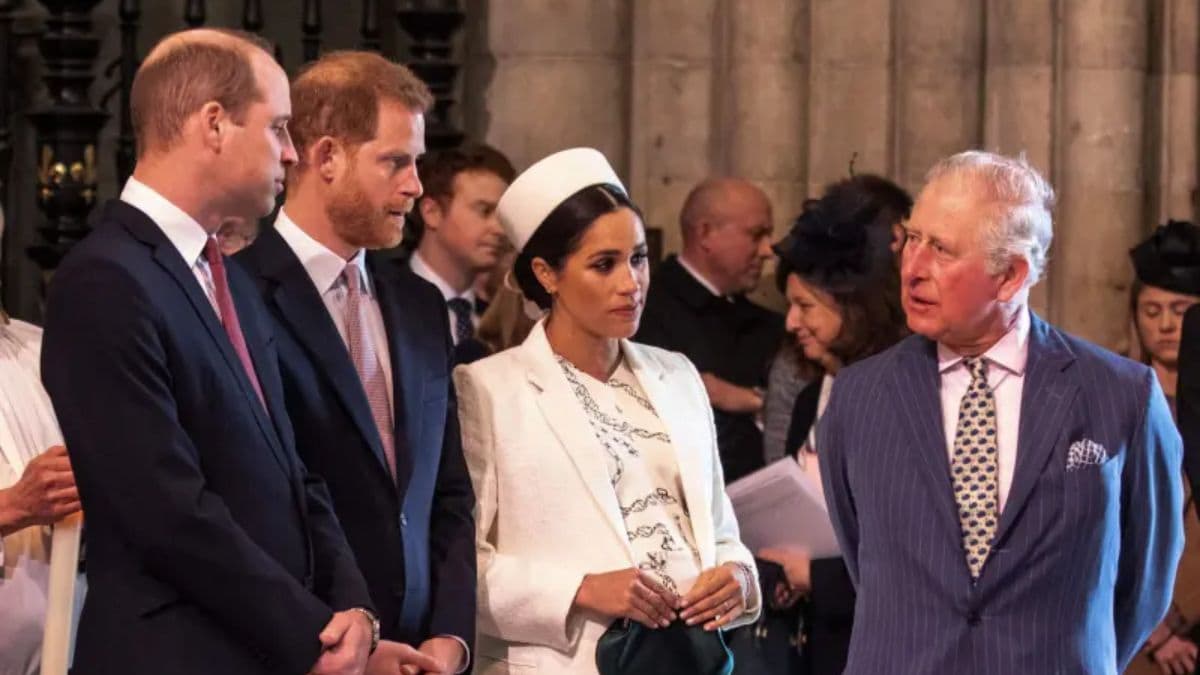
The timeline of their departure is well-documented on paper, but poorly understood in human terms. January 2020: the bombshell announcement that they would step back as senior royals. March 2020: the final engagement at Westminster Abbey, where the tension in the room could have cut glass. Then California, sunshine, chickens, podcasts, documentaries, and interviews that laid bare the raw nerves of a fractured dynasty.
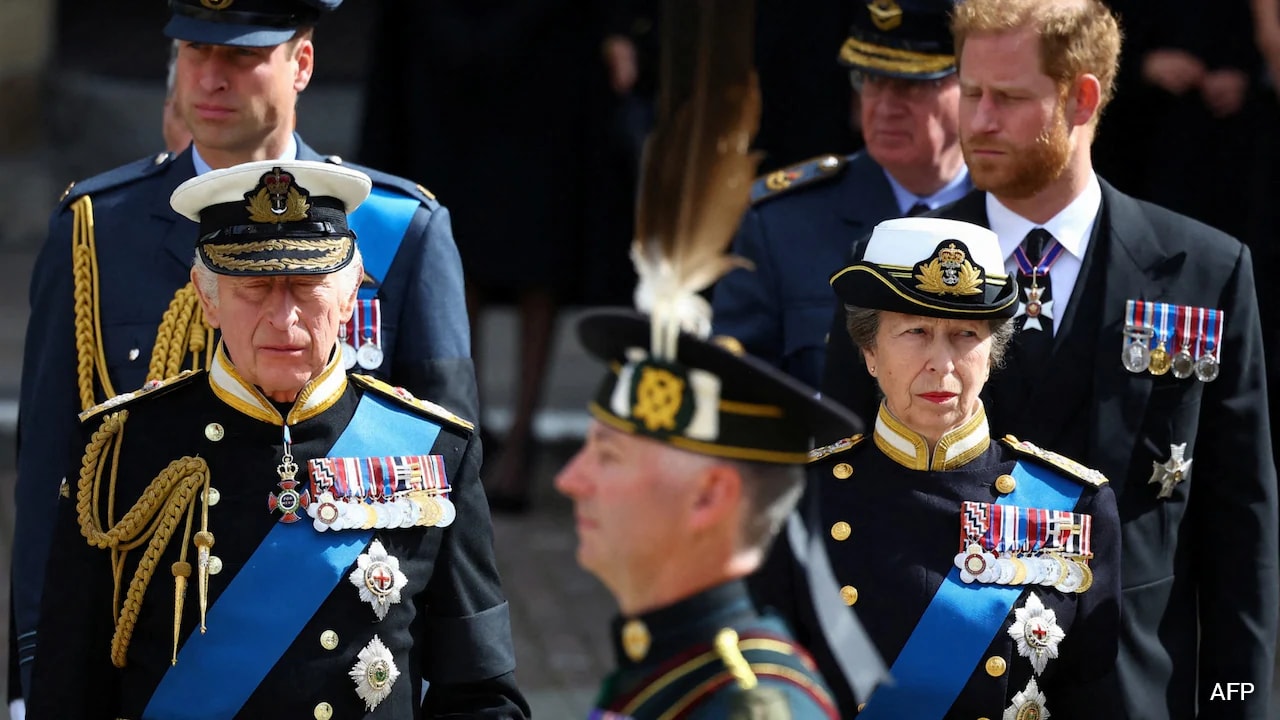
Every milestone since has been measured against that initial fracture. Court cases against British tabloids. Security disputes with the Home Office. Brief, tense returns for monumental occasions like the funeral of Queen Elizabeth II and the coronation of King Charles III. These are not casual visits. They are diplomatic missions executed under heavy security guards, where every nod, every averted gaze, and every choice of clothing is dissected by millions of armchair detectives.
Why return at all? Why subject oneself to the damp chill of British weather and the hostile glare of a tabloid press that has spent years casting you as the villain?
Because absence has its own weight.
There are aging fathers. There are cousins who grew up alongside you in the goldfish bowl, sharing childhood secrets that no outsider can ever comprehend. There is the undeniable pull of history—the quiet realization that no matter how many miles of ocean you put between yourself and your birthright, your story remains inextricably bound to it.
When rumors circulate about potential reconciliations, or charity appearances on British soil, or quiet conversations behind closed palace gates, people project their own family dramas onto the screen. Everyone has a black sheep. Everyone knows the sting of a holiday table set for one less person because pride got in the way.
The public wants a neat ending. We love a redemption arc. We want the brothers to embrace outside a chapel, tears in their eyes, while church bells ring in the background. We crave the comforting lie that time heals all wounds automatically, without the grueling, unglamorous labor of accountability and forgiveness.
Reality refuses to cooperate.
True reconciliation is messy, quiet, and largely invisible. It does not happen in front of rolling cameras. It happens, if it happens at all, in sterile hotel rooms, through guarded phone calls across time zones, or during furtive meetings where lawyers and publicists are kept outside in the corridor.
If Harry and Meghan do step back onto British soil for an extended stay, do not look for the cinematic embrace. Look instead for the averted eyes, the carefully managed schedules, the immense effort required to inhabit a space that once rejected you while still holding your name in its bloodline.
A door remains open, not because the room inside is welcoming, but because neither side has found the courage to brick it up completely. The hinges groan in the wind. The draft is cold. But the light from the hallway still spills across the floor, waiting to see who will finally walk through it first.