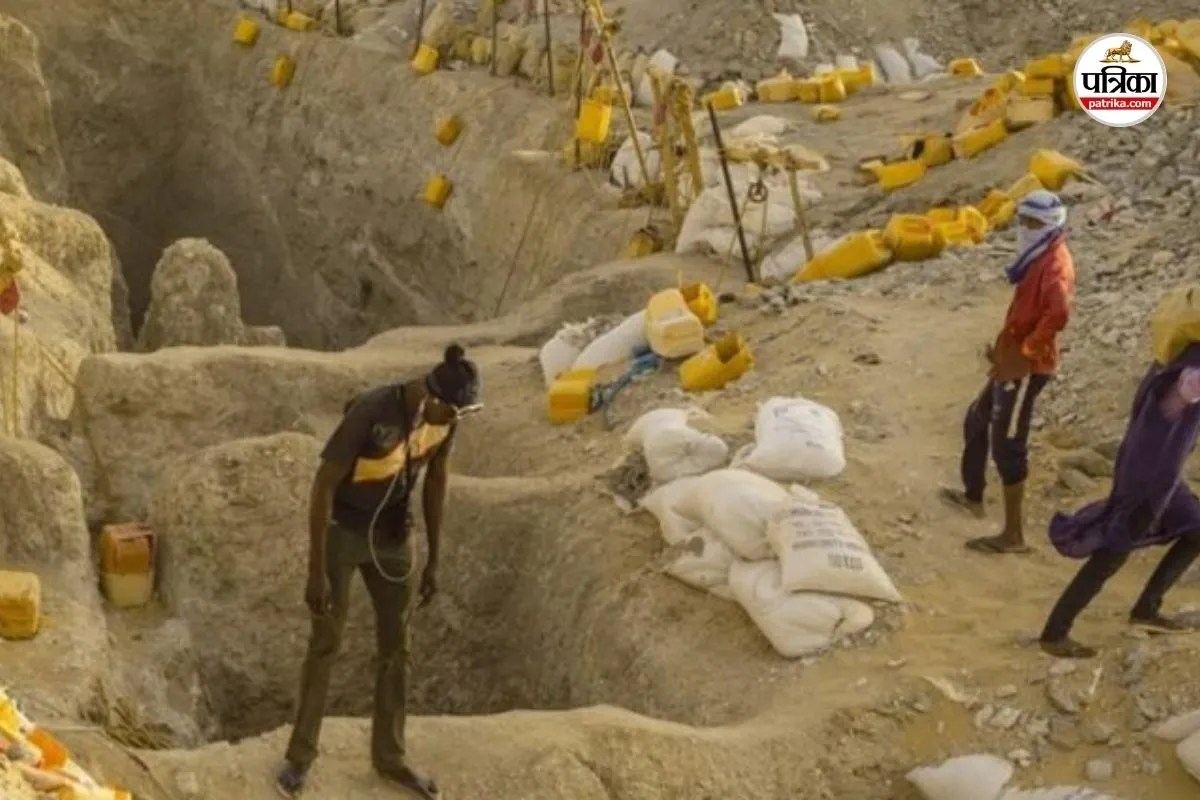
The earth does not warn you when it decides to take back what was stolen. It simply shifts. A sudden tremor of dust, a deafening roar that swallows the desert air, and then a profound, suffocating silence.
In the remote mining regions of Sudan, the ground is an old adversary. It holds secrets of yellow metal, glittering promises that lure men out from under the shade of acacia trees into the blinding, relentless glare of the Sahara. They come with picks, shovels, and a desperate hope to outrun poverty. They descend into shafts dug deep by hand, shored up by rotting timber and blind faith.
And then, sometimes, the walls cave in.
Sixty lives. Sixty men who woke up before dawn, drank lukewarm tea from tin cups, and joked about what they would buy when the dust paid off. Now, their names are etched into the rising death toll of an informal economy built on the edge of a razor. Rescue workers scramble over heaps of unstable rock and shifting earth, fighting against time and gravity. But in places like this, where remote infrastructure is a luxury and heavy machinery is a distant dream, rescue often arrives too late. The heavy silence remains.
Consider what happens next in the quiet villages left behind.
When a shaft collapses, it is not just earth that falls; it is the fragile financial architecture of entire families. Artisanal mining accounts for a staggering portion of Sudan's gold production, pulling hundreds of thousands of people into the orbit of makeshift pits. It is dangerous, unregulated, and entirely essential for survival in a country battered by economic turmoil. There are no safety inspectors down here. There are no insurance policies, no union reps, and no hard hats that can withstand thousands of tons of cascading stone.
There is only the rock, and the sweat, and the gamble.
Accidents like the recent disaster in Sudan are rarely isolated events. They are the predictable outcome of a system where desperation outranks caution. When the price of survival rises, safety measures are the first things to be abandoned. Men crawl deeper into unauthorized tunnels, ignoring the ominous cracking of wood and the slow trickle of sand from the ceiling, because a day without digging is a day without food.
The human cost of this relentless pursuit is difficult to measure in statistics alone. Behind every reported number is a mother waiting by a doorway, a child staring down an empty path, a community wrapped in sudden, heavy mourning. The tragedy extends far beyond the immediate perimeter of the collapsed mine. It ripples through markets, schools, and homes, leaving an empty space that cannot be filled by the very commodity these men died trying to unearth.
As the dust settles over the wreckage and the exhausting work of recovery gives way to grief, the deeper questions remain buried just as deep. How many more shafts must fall before the silent crisis of artisanal mining is addressed? How much blood must soak into the sand before the glittering allure of gold is balanced against the irreplaceable value of a human life?
The desert holds its answers close, indifferent to the tears shed above. But the echoes of the collapse linger in the wind, a sharp reminder of the steep price paid by those who dig for a future in the dark.