Every few years, Washington discovers a grand final strategy to neutralize Tehran, and we are expected to nod along like it is the first time we have heard it.
Treasury Secretary Scott Bessent recently took to platforms like X to announce "Operation Economic Outcast," framing it as an unprecedented financial offensive and the ultimate endgame following months of direct military operations. The White House insists that severing remaining digital asset, technology, gold, aviation, and shipping lifelines will finally force the Iranian regime into total submission.
If you have paid attention to foreign policy for more than five minutes, you know this script by heart. We have been promised the definitive economic collapse or military checkmate of Iran across multiple presidential administrations, only to watch the goalposts quietly shift when reality sets in.
The Trouble With Repeating History
When the initial joint U.S. and Israeli airstrikes began under Operation Roaring Lion, administration officials threw out massive strategic aims. They talked about empowering the public to completely overthrow the government, dismantling nuclear infrastructure entirely, and securing regional stability once and for all. Fast forward through thousands of targeted strikes and subsequent naval standoffs in the Strait of Hormuz, and the rhetoric has scaled back into a more familiar management mode.
The core issue with every announced endgame is a fundamental misunderstanding of how isolated authoritarian structures survive. Tehran has spent decades perfecting the art of sanctions-resistance, grey-market oil smuggling, and proxy network funding. Slap a new marketing label on financial restrictions and announce an economic D-Day, and you get great headlines in Washington. You do not automatically get a cooperative regime change on the ground.
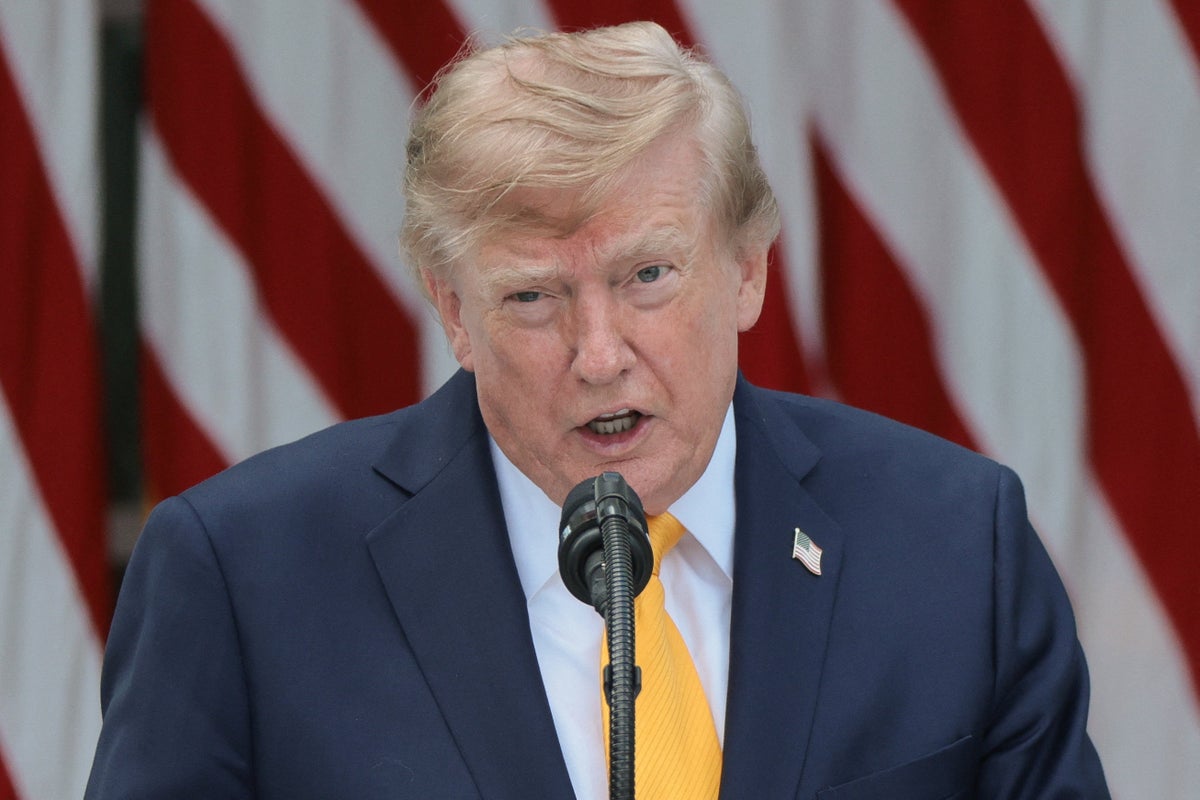
President Trump himself recently admitted a glaring practical hurdle to this latest endgame strategy: finding someone left in the chain of command to actually negotiate with. When successive layers of leadership are degraded by military strikes, the remaining power structure often fractures into decentralized cells rather than surrendering neatly.
The Math Behind the Posturing
Look past the press releases and look at the logistics. Defense analysts point out a glaring mismatch between target exhaustion and production capacity. While the Pentagon reports thousands of munitions expended against military and industrial sites, Iran's domestic drone and missile manufacturing networks have proven resilient enough to keep regional proxies operational.
Furthermore, shifting the burden of maritime security in the Persian Gulf onto regional allies doesn't resolve the core vulnerability. Telling European and Asian partners that keeping the Strait of Hormuz open is solely their problem ignores the globalized nature of energy markets. If tankers cannot move without paying arbitrary tolls or risking digital and physical harassment, inflation hits American voters regardless of who is patrolling the water.
This is where the political anxiety becomes transparent. Behind closed doors, strategists worry about the domestic economic blowback of protracted foreign interventions. Nobody wants a replay of historical depressions, yet Washington keeps committing to open-ended pressure campaigns with fuzzy definitions of winning.
What Actually Happens Next
We are left watching a slow-motion war of attrition disguised as a decisive final chapter. Sanctions packages like Operation Economic Outcast will squeeze the Iranian economy tighter, driving the domestic population deeper into hardship while solidifying the hardline leadership's grip on internal security.
Do not expect a sudden cinematic surrender or a clean diplomatic ribbon tied around the Middle East policy portfolio. True to form, the administration will likely declare victory once major kinetic operations wind down, leaving behind a heavily fractured state, nervous Gulf allies, and a nuclear program held back only temporarily by force rather than resolved through durable diplomacy.
Pay attention to what logistics coordinators and treasury enforcement teams actually implement over the next few months, and ignore the grand theater of finality.