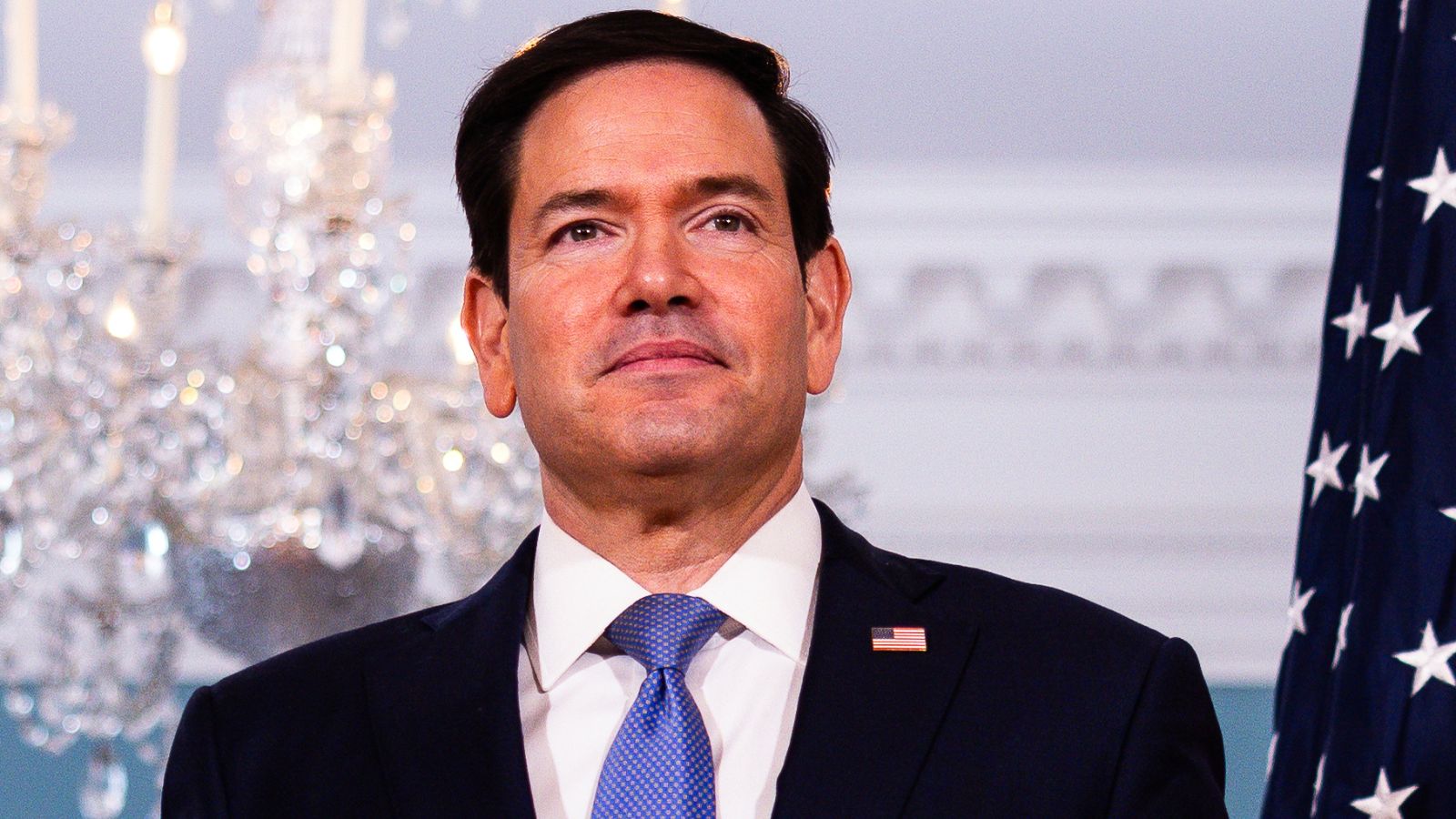
Treasury Secretary Scott Bessent just dropped a heavy warning. The United States is preparing financial pressure against Iran that the world has genuinely never witnessed before.
If you are trying to track how modern military strategy intersects with brutal economic warfare, you need to look past the political posturing. Right now, Washington is pairing unprecedented sanctions with a severe naval blockade around the Strait of Hormuz. The goal is simple. Cut off the regime completely. Force a collapse in commerce. Bring Tehran to its knees without triggering a full-scale ground war.
Yet, executing a strategy of total isolation comes with a brutal human and operational cost. Look at the USS Abraham Lincoln.
For more than 250 days, this nuclear-powered aircraft carrier has been stuck at sea. The numbers are staggering. The crew has spent over 200 consecutive days without a single port call, shattering normal operational baselines. Families of sailors have stepped forward with alarming accounts. We are talking about severe shortages of basic provisions, plumbing failures, water contamination, and skyrocketing mental health strains. Senators like Richard Blumenthal are demanding immediate answers from Defense Secretary Pete Hegseth over conditions that pushed some desperate sailors to the breaking point.
The Navy says relief is finally moving down the pipeline. Ships like the USS George Washington are being rotated in to give the exhausted crew of the Lincoln a way out. But this operational strain exposes a glaring flaw in current U.S. defense planning. You can announce unseen economic tactics all you want from Washington boardrooms, but the sailors actually maintaining the naval blockade are running on fumes.
The Reality of the Blockade
Controlling the Strait of Hormuz sounds clean on a briefing slide. In practice, it means warships running 16-hour shifts under brutal conditions while global crude oil routes hang in the balance.
Iran's economy is already buckling under the weight of these combined strikes and blockades. Inflation is soaring out of control. Ordinary citizens are turning to drastic "buy now, pay later" programs just to afford groceries and daily essentials. Businesses are shutting down. President Donald Trump has made it clear that Tehran is in terrible shape. Washington thinks financial strangulation will force a surrender.
However, sustaining an infinite blockade requires more than clever Treasury Department policies. It requires healthy ships and sane crews.
When you push a carrier strike group past its breaking point, you risk a readiness crisis that no amount of financial warfare can fix. Lawmakers are rightly asking whether the Pentagon can maintain this tempo without destroying its own fleet from the inside out.
The strategy is aggressive. The stakes are massive. But the real test isn't just how hard Washington can squeeze Iran's economy. It is whether the U.S. military can keep its own forces operational while doing it.