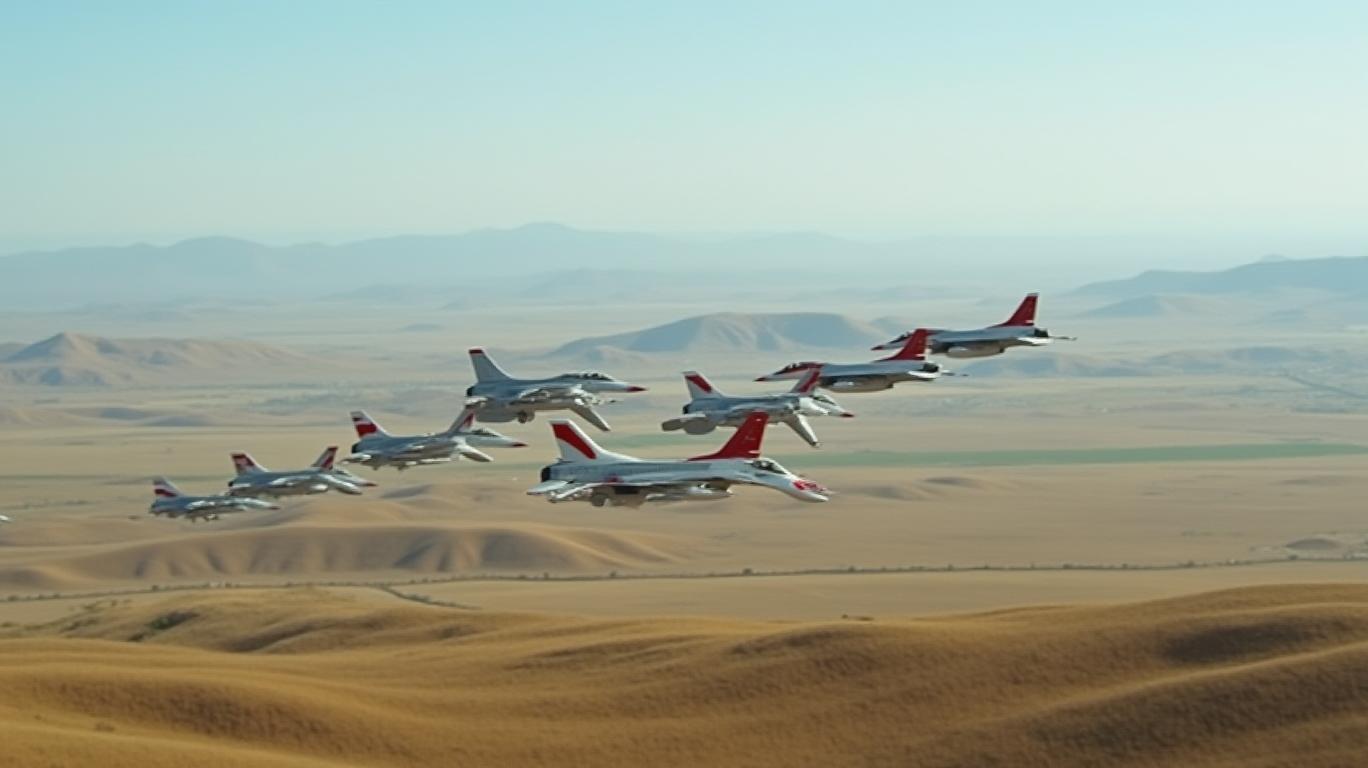
Geopolitical analysts love a good timeline. They draw neat arrows on maps, circle dates on calendars, and whisper about the "inevitable" escalation between the West and Iran. They treat the Middle East like a ticking clock where the hands only move forward. They are wrong. The Iran War timeline isn't shifting because of diplomatic breakthroughs or tactical delays; it’s shifting because the timeline itself is a product. It is a tool for defense contractors to justify R&D budgets and for pundits to keep eyes glued to screens.
If you’re waiting for the "big one," you’ve already missed the war. The conflict isn't coming; it’s being lived in the margins through cyber-attacks, proxy skirmishes, and economic strangulation. The traditional "war" everyone fears is a 20th-century ghost story that serves the status quo.
While the world stares at the Strait of Hormuz, a jury in the West just took a swing at Live Nation, branding it a monopoly. The masses cheered. They think breaking up the giant will lower ticket prices. They think they’ve won. They are wrong about that, too. Live Nation isn't the villain of the music industry; it’s the only thing keeping the lights on in a world where recorded music has been devalued to near zero.
The Illusion of the Looming Iran Conflict
The media treats Iran like a rogue state on the verge of a suicidal leap. This narrative ignores the fundamental math of regime survival. The Iranian leadership is many things, but they are not stupid. They understand the mechanics of asymmetric power better than the suit-and-tie "experts" in D.C.
Every time a headline screams about a "shifting timeline" for conflict, what they are actually describing is the equilibrium of the status quo. Iran benefits from the threat of war, not the reality of it. The threat keeps oil prices buoyant and domestic dissent suppressed under the guise of national security. The West benefits from the threat because it justifies a permanent military presence and massive arms sales to regional allies.
Actual war is a logistical nightmare that destroys the very thing both sides want: control.
The Proxy Fallacy
People ask: "When will Iran finally push too far?"
The question is flawed. "Too far" is a moving target designed to keep the game going. We see the use of proxies as a precursor to war. In reality, proxies are the alternative to war. They are the pressure release valves of the Middle East. By funding groups like Hezbollah or the Houthis, Iran exerts influence without triggering the total annihilation that a direct state-on-state conflict would invite.
I’ve sat in rooms where "security consultants" salivate over the prospect of a hot war. They talk about "surgical strikes" and "regime change." They never talk about the 10-year insurgency that follows or the total collapse of global energy markets. The "shifting timeline" is a polite way of saying both sides are terrified of the finish line.
Live Nation: The Monopoly We Created
The recent jury ruling against Live Nation and Ticketmaster is being hailed as a victory for the "little guy." This is a fundamental misunderstanding of the entertainment economy. We are blaming the mirror for the reflection.
The public wants $20 floor seats, $5 beers, and a world-class light show, all while refusing to pay more than $10 a month for a Spotify subscription that gives them every song ever recorded. You can’t devalue the primary product (the music) and then act shocked when the secondary product (the live experience) becomes hyper-monetized.
Why You’re Wrong About Ticket Prices
If Live Nation were broken into ten smaller companies tomorrow, your tickets would not get cheaper. They would likely get more expensive.
- Efficiency of Scale: Live Nation’s vertical integration—owning the venue, the promoter, and the ticketing platform—removes the friction of multiple middle-men all looking for their 15%.
- Risk Absorption: Touring is a high-risk gamble. For every Taylor Swift tour that prints money, there are dozens of mid-tier acts that lose their shirts. Live Nation acts as a massive insurance policy, using the profits from the giants to subsidize the infrastructure that allows smaller acts to even have a stage to play on.
- The Secondary Market: The real "monopoly" isn't Ticketmaster; it’s the bot-driven resale market. When you see a ticket for $1,000, that isn't Live Nation’s base price. That is the market telling you what the ticket is actually worth. Live Nation is simply trying to capture that value before a scalper in a basement does.
The Artist’s Dirty Secret
Artists love to tweet about how much they hate Ticketmaster. It’s great PR. But behind the scenes, those same artists are the ones demanding higher guarantees and a larger cut of the "convenience fees." Ticketmaster is the designated "bad guy." They take the heat for the high prices so the artist can keep their "man of the people" image intact.
I have seen the internal ledgers. If you remove the "monopoly," you remove the only entity capable of guaranteeing a 50-city tour for a legacy act. Smaller promoters can’t handle the liquidity requirements. Without the giant, the tour doesn't happen.
The False Promise of Competition
We are told that "competition" fixes everything. In the context of national security and global entertainment, competition often leads to chaos.
In the Middle East, "competition" for regional hegemony between Iran and its neighbors is exactly what fuels the proxy wars we claim to hate. A clear, undisputed balance of power—even an ugly one—is more stable than a "competitive" landscape of dozens of fractured militias vying for a vacuum.
In the music business, "competition" means fragmented booking. It means an artist has to negotiate with 50 different venue owners, each with their own ticketing system, their own security protocols, and their own insurance. The administrative bloat alone would drive ticket prices through the roof.
The Brutal Truth of the "Middle Class" Artist
The jury’s decision won't save the indie band. The indie band is dying because you stopped buying albums. Live Nation didn't kill the middle-class artist; the internet did. By the time an artist is big enough to be dealing with Live Nation, they are already in the top 1% of the industry. The "monopoly" is just the final boss in a game the artist has already won.
Breaking up Live Nation is theater. It’s a way for regulators to look like they’re doing something about the "cost of living" without actually tackling the complex economic reasons why everything is more expensive.
Stop Asking for a Fair Fight
The common thread between the Iran "timeline" and the Live Nation "monopoly" is our obsession with fairness and "correct" outcomes. We want the Middle East to be a democracy and concert tickets to be cheap.
The world doesn't work that way.
The Middle East is a game of leverage, not a path to peace. The current stalemate—this "shifting timeline"—is the most peaceful version of the region we are likely to get. Pushing for a "resolution" is asking for a catastrophe.
Similarly, the music industry is a game of scale. You cannot have a globalized culture where everyone wants to see the same five stars at the same time and expect "competitive pricing." You are bidding for a finite resource (a seat in a room).
If you want cheaper tickets, stop going to stadium shows. Support your local dive bar. But you won't. You'll keep complaining about the monopoly while refreshing the app at 10:00 AM to buy the very tickets you claim are a scam.
The timeline isn't shifting. The monopoly isn't the problem. You just don't like the price of the world you built.
Stop waiting for the war to start or the prices to drop. This is it. This is the reality. Deal with it.