Sound is weight. It has mass, texture, and an uncanny ability to burrow beneath the skin before the rational mind can mount a defense. Close your eyes in a darkened theater, and a voice can make you believe in kingdoms of eternal winter, in stone tables cracking under ancient laws, in lions that speak with the gravity of gods. For generations, C.S. Lewis gave Aslan a specific cadence. Deep. Rushing like an underground river. Male. It was the voice of a patriarch carved from the English literary tradition, echoing the King James cadence that taught Western culture how to revere authority.
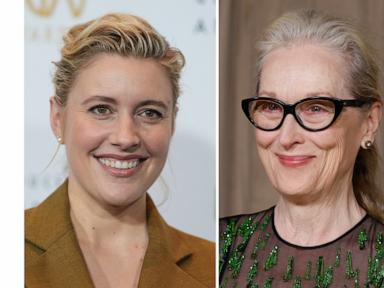
Then came Greta Gerwig.
When the casting notes whispered through the industry that Meryl Streep would voice the great lion in Gerwig’s upcoming cinematic adaptation of The Chronicles of Narnia for Netflix, the internet did not merely react. It fractured. Traditionalists clutched their leather-bound copies of The Lion, the Witch and the Wardrobe as if defending a fortress wall. How could a woman, let alone an icon as distinctly human and culturally potent as Streep, embody a figure explicitly coded by Lewis as a Christological sovereign? Was this another casual casualty of modern revisionism, or was it something far more interesting? Something dangerously radical?
To understand the friction, we have to look past the culture-war headlines and examine how we consume myth. Myths are not museum glass; they are living organs. They mutate to survive the climate of the minds that inherit them. When Lewis wrote Narnia in the wake of the Second World War, he was mourning a collapsing British empire, a lost innocence, and a masculine theological structure that felt desperately needed in a shattered Europe. Aslan was the ultimate father figure. He was the stern judge, the comforting protector, and the ultimate sacrifice rolled into one golden, roaring package.
Change the gender of the voice, and the entire metaphysical architecture shifts.
Consider what happens when a lioness, or a lion voiced by a woman who has spent half a century dissecting the female interior on screen, speaks the line about deeper magic from before the dawn of time. It ceases to be an edict handed down from a celestial throne room. It becomes something primal, cellular, and terrifyingly maternal. A mother’s wrath is not the measured judgment of an impartial king. It is a territorial, blood-deep fury that will tear the world apart to reclaim what is lost. By casting Streep, Gerwig is not simply swapping pronouns. She is rerouting the emotional current of the entire narrative.
The internet argument immediately split down familiar trenches. On one side stood the purists, arguing that tinkering with Aslan’s gender violates the sacred text. Lewis was an Oxford don, a medievalist, a man steeped in specific allegorical traditions. Changing Aslan's voice, they argue, is a betrayal of his authorial intent.
On the other side stand those who look at the text and see a canvas begging for modern interrogation. Lewis himself was acutely aware of how symbols operate. He wrote fairy tales precisely because they bypassed the armored defenses of adult cynicism, speaking directly to the subconscious. And what dwells in our subconscious regarding power, authority, and sacrifice? For centuries, we have welded the concept of ultimate power to the image of the patriarch. We listen to the booming male voice and equate it with safety.
But safety has many faces.
Imagine sitting in the cinema as the screen fades to black and the first low rumble vibrates through the floorboards. Streep does not roar with the theatrical bombast of a cartoon villain or the booming theatricality of Liam Neeson’s previous iteration. She speaks quietly. That has always been Streep’s superpower. She scales down monumental emotions until they feel like a secret whispered in your ear. When Aslan tells Susan and Lucy that things will never be quite the same, a female voice delivering that truth doesn't sound like a decree from Mount Sinai. It sounds like an earth mother witnessing the inevitable heartbreak of her children growing up and walking into danger.
This casting choice forces us to confront a quiet hypocrisy in how we consume fantasy. We happily accept talking badgers, centaurs, and witches with green skin, yet the moment an abstract, divine entity is voiced by a woman, the imagination suddenly hits a brick wall of resistance. Why? Because gender is the last unmovable pillar of our identity constructs. We can reimagine space, magic, and beasts, but altering the gender of a supreme archetype feels like tampering with the gravity of reality itself.
Gerwig has built a career out of taking beloved, overly familiar texts and cracking them open to let the messy, breathing human truth spill out. Think of her work on Little Women. She didn't destroy Louisa May Alcott's novel; she illuminated corners of it that previous adaptations left in shadow, highlighting the economic desperation and fierce sisterly loyalty that polite Victorian adaptations glossed over. She treats source material not as a relic to be preserved under glass, but as a living script to be performed by actors with blood in their veins.
If anyone can pull off this seismic shift, it is Streep. She brings an intellectual rigor to voice acting that treats the microphone not as a recording booth, but as a stage. She understands that Aslan is not a biological creature; he is an idea made of fur and light. And ideas do not have chromosomes. They have resonance.
When the film finally premieres, the initial shock waves will likely fade into something more enduring. The debate will shift from the culture-war panic of what the casting represents to the visceral experience of how it actually feels in the dark. We might discover that a maternal deity is far more devastating to watch die on the Stone Table than a paternal one. The grief of a mother figure carrying the sins of the world carries a different historical weight, one steeped in the literal and figurative labor of holding families and communities together against insurmountable odds.
We are terrified of changing our myths because we are terrified of changing ourselves. We want our stories frozen in amber, reassuring us of the world we were promised when we were children. But Narnia was never a safe place. It was wild, unpredictable, and governed by a magic that refused to be tamed by human logic.
Aslan was never a tame lion. Now, finally, he might not even be a predictable one. And that is precisely why we will all buy a ticket.