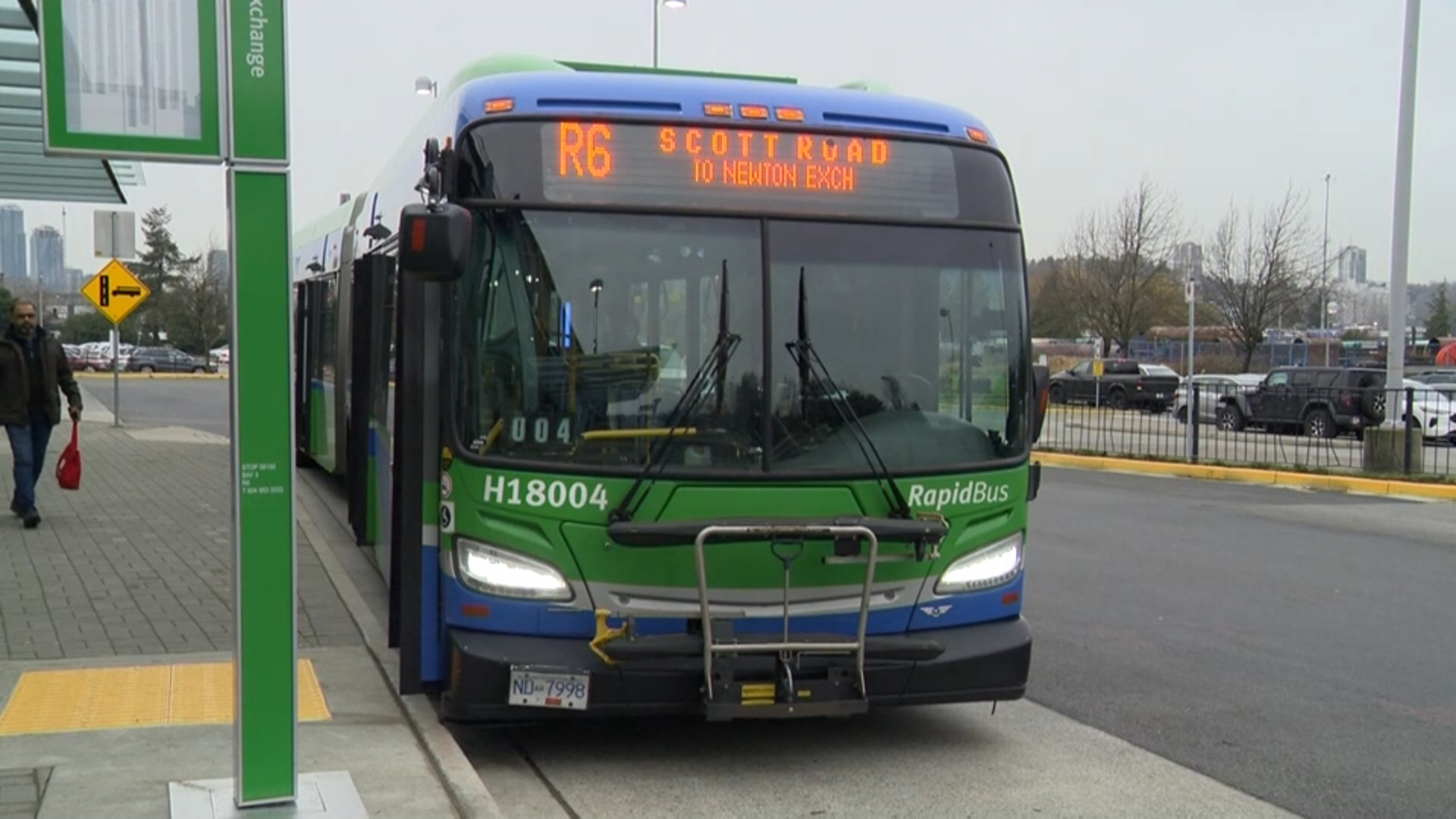
Metro Vancouver is flat-out unaffordable. Rent is sky-high, groceries cost a fortune, and now, getting to work is getting more expensive too. Every year, TransLink bumps up its ticket prices, and every year, the people who rely on buses and trains the most get hit the hardest. It is a broken system. If you are struggling to pay for food, a higher transit fare feels like a punch in the gut. That is why a growing coalition of community organizers, transit advocates, and regular citizens are demanding something that should have happened years ago. They want a dedicated low-income transit pass.
Public transit is not a luxury. It is a lifeline. When fares go up, lower-income residents do not just magically find extra cash in their pockets. Instead, they scale back on essentials. They miss doctor appointments. They skip trips to the grocery store. Some even risk heavy fines by riding without paying because they literally cannot afford the ticket. TransLink keeps raising fares to plug its budget deficits, but balancing the books on the backs of the city's poorest residents is bad public policy.
The current system shuts people out of their own city. We hear a lot of talk from politicians about climate targets and getting people out of cars. Yet, the policy choices we see tell a completely different story. If we want a liveable region, making transit accessible to everyone is the bare minimum.
The Growing Burden of TransLink Fares
TransLink operates on a predictable schedule of fare increases. Every July, prices tick upward. While a few cents extra per zone might seem trivial to a corporate commuter living in a downtown condo, those cents add up fast for a minimum-wage worker commuting from Surrey to Vancouver. For someone working multiple part-time jobs, transit is often their single biggest monthly expense after rent.
Think about how the zone system works. The current structure penalizes people who have been priced out of the city center. If you live in Zone 3 because that is the only place you can find a basement suite, you pay significantly more to travel to work than someone living in Zone 1. It is a geographic tax on poverty. The people who travel the furthest distances for work are often the ones making the least money.
When you look at the math, it gets grim. A three-zone monthly pass costs over $190. For a household living below the poverty line, that is a massive chunk of their income. TransLink argues that these increases are necessary to maintain service levels and expand the network. They point to rising operational costs, inflation, and the need to fund massive projects like the Surrey-Langley SkyTrain extension. Those expansions are valuable. But building new lines does little good if the people living next to the stations cannot afford to step through the turnstiles.
What Advocates Are Demanding
The push for a low-income transit pass in Metro Vancouver is not new, but the pressure is mounting. The All On Board campaign, led by the Poverty Reduction Coalition, has been beating this drum for years. Their message is simple. Transit equity is a human right.
Advocating groups are calling for a sliding-scale fare structure based on income. If you fall below a certain income threshold, your monthly pass should be heavily subsidized or entirely free. This is not a radical experiment. It is a proven model used in several other major Canadian cities.
Right now, British Columbia does offer some targeted transit assistance. Children aged 12 and under ride free across the province. There is also the BC Bus Pass Program, which provides a discounted pass for low-income seniors and people with disabilities. These programs are fantastic, and they changed lives when they rolled out. But they leave a massive gap. If you are a 25-year-old working an unstable retail job or a newcomer family trying to find your footing, you get zero help. You pay the exact same fare as a wealthy executive. That gap is where the system fails.
How Other Cities Prove It Works
We do not need to guess whether a low-income transit pass works because other municipalities have already done the legwork. Look at Calgary. Their sliding-scale transit pass system is a massive success. In Calgary, the cost of a monthly pass drops significantly depending on your household income. The lowest tier gives eligible residents a monthly pass for just a fraction of the standard rate. It has opened up employment opportunities and reduced social isolation for thousands of Albertans.
Edmonton has a similar program called the Ride Transit Program. It provides heavily discounted monthly passes to low-income residents, making it much easier for people to access social services, medical care, and employment.
Further east, the Toronto Transit Commission offers the Fair Pass Transit Program. It programs discounts directly onto a user’s Presto card, saving low-income riders a set percentage on every single single-ride fare or monthly pass. These cities recognized that affordable transit is an investment in poverty reduction. When people can move freely around their city, they can find better jobs, attend classes, and participate in the local economy. Money spent subsidizing transit fares saves money elsewhere in social services and healthcare.
The Financial Argument for Transit Equity
Opponents of a low-income pass always ask the same question. Who is going to pay for it? TransLink is already facing massive structural funding deficits. The agency frequently warns of a looming financial cliff as traditional revenue streams, like the fuel tax, dry up with the rise of electric vehicles. Asking TransLink to absorb the cost of a low-income pass on its own is unrealistic.
This is where the provincial government needs to step up. Funding a low-income transit pass should not be viewed as an operational expense for a transit utility. It is a social welfare program. The province funds healthcare, housing support, and income assistance. Transit access ties into all of those pieces.
Investing in subsidized transit passes reduces the financial strain on low-income families, allowing them to spend their limited funds on healthier food or better housing. It also reduces fare evasion. TransLink spends significant resources on fare enforcement, transit police, and fare gates. When transit is affordable, people pay. When it is out of reach, they bypass the system out of pure necessity. Lowering the barrier to entry changes the dynamic entirely.
Moving Past Excuses to Real Solutions
We need to stop treating public transit like a business that needs to turn a profit. It is a public utility, just like roads, libraries, and clean water. We do not charge people a toll every time they walk on a public sidewalk, and we should not price vulnerable people out of using public buses.
The provincial government and TransLink need to sit down and co-fund a permanent solution. The patchwork of temporary grants and minor adjustments is not cutting it anymore. A real, income-tested transit pass would change the game for thousands of families in Burnaby, Surrey, Richmond, and Vancouver.
If you want to see this change, you cannot just wait for politicians to act. Get involved with local advocacy groups like All On Board. Write to your Member of the Legislative Assembly. Attend TransLink board meetings and voice your concerns. Change happens when the pressure becomes too high to ignore. Let us make Metro Vancouver a place where everyone can afford to move.