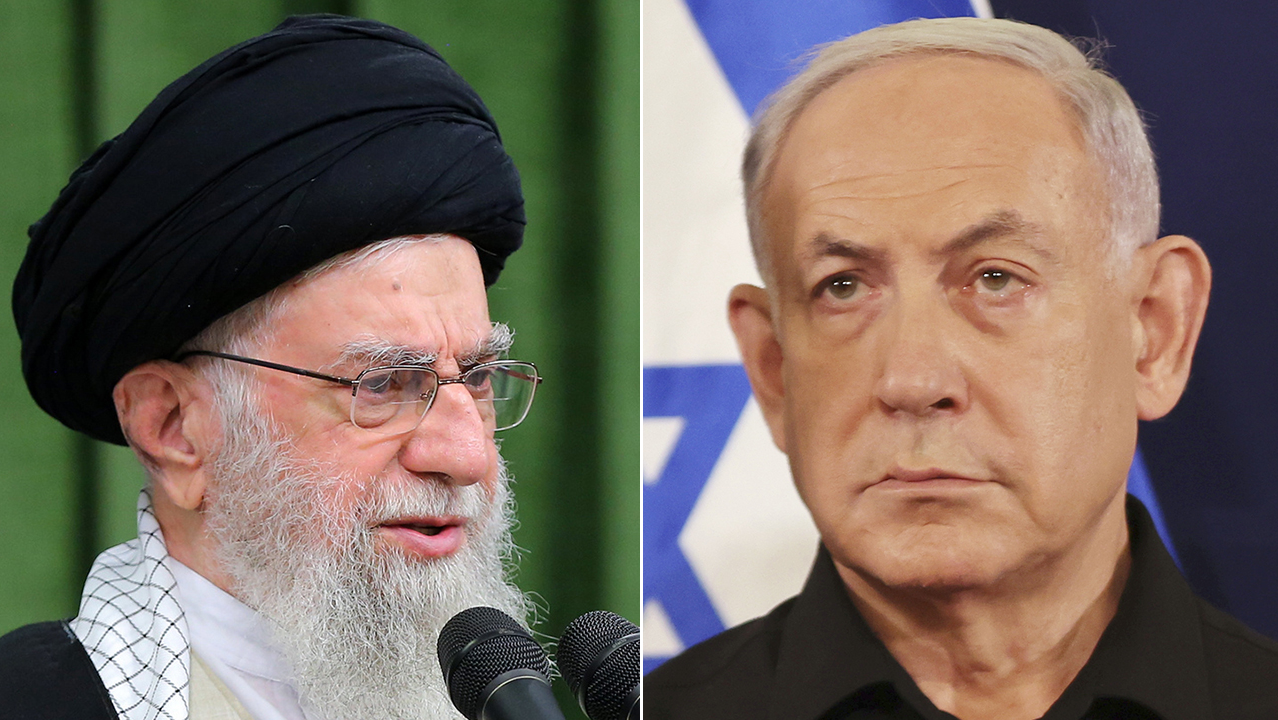
The clocks in Tehran and Washington didn't just stop ticking; they skipped a beat. Late Tuesday, April 7, 2026, the world collectively exhaled as President Donald Trump yanked his finger away from the "all-out" button. The deadline was 8 p.m. If Iran didn't blink, Trump promised to wipe out an entire civilization. Then, with less than two hours to spare, the rhetoric shifted from fire and brimstone to a two-week ceasefire.
Don't mistake this for a sudden outbreak of pacifism. This isn't a peace treaty. It’s a tactical pause in a high-stakes staring contest where both sides are still holding concealed weapons.
Trump Claims Victory While Tehran Reopens the Strait
The deal sounds straightforward on paper. Trump suspends "Operation Epic Fury"—the campaign that has already chewed through Iran’s navy and decimated its missile production—and in exchange, Tehran reopens the Strait of Hormuz. For the last few weeks, the world’s energy jugular has been clamped shut, sending oil prices into a vertical climb.
Iran’s Foreign Minister, Abbas Araghchi, confirmed that ships will have safe passage for the next 14 days. But there’s a catch. Iran insists this isn't a "free for all." They’re calling it "regulated passage" under the coordination of the Iranian Armed Forces. Basically, they're still the bouncers at the door, and they’re planning to charge "transit fees" to fund their reconstruction.
Trump, ever the salesman, is framing this as a "total and complete victory." He claims the U.S. has already met its military objectives. If you look at the smoldering ruins of Iran’s petrochemical facilities—which the IDF reportedly hit just days ago—he’s not entirely wrong. The Iranian regime is hurting, and they’re hurting badly enough to accept a deal mediated by Pakistan.
The Pakistan Connection and the 10-Point Proposal
How did we get here? It wasn't through a direct line between the White House and the Kremlin or some UN summit. It was Pakistan. Prime Minister Shehbaz Sharif and General Asim Munir have been the frantic middle-men in this mess. Sharif pleaded with Trump to extend the deadline, and apparently, the pitch worked.
Tehran didn't just say "we give up." They countered with a 10-point proposal. While the full text hasn't been leaked to every corner of the internet yet, we know the broad strokes:
- Sanctions Relief: Iran wants the economic noose loosened immediately.
- Nuclear Sovereignty: They aren't ready to scrap their enrichment program.
- Strait Control: They want to maintain a "unique geopolitical standing" by managing the waterway.
- U.S. Withdrawal: The perennial demand for American boots to leave the region.
Trump called the proposal a "workable basis" for negotiation. That’s a massive pivot from his "Stone Age" threats 24 hours earlier. It suggests that even the most hawkish members of his administration—like Pete Hegseth and Stephen Miller—see the value in letting the dust settle before deciding whether to finish the job.
Israel is Not Staying Quiet
If you think Benjamin Netanyahu is happy about this, you haven't been paying attention. While the Israeli Prime Minister’s office officially "supports" the pause, they’ve been incredibly loud about one thing: the ceasefire does not include Lebanon.
Netanyahu made it clear that Israel is ready to "return to battle at any moment." For Israel, the threat isn't just a nuclear Iran; it's the "Axis of Resistance" that circles their borders. While Trump talks about "Peace in the Middle East," Israel is still looking at Hezbollah and Houthi drones. The friction here is obvious. The U.S. wants to declare victory and go home; Israel wants the threat neutralized permanently.
What Happens When the 14 Days Run Out
We’re currently in a 14-day bubble. Negotiations are set to begin this Friday in Islamabad. This is the "put up or shut up" window. If the U.S. doesn't get a definitive agreement on the nuclear program, or if Iran tries to play games with the transit fees in the Strait, the "Epic Fury" strikes will likely resume.
Iran’s Supreme National Security Council has already warned that their hands are "upon the trigger." They’re trying to save face domestically by acting like they’re negotiating from a position of strength, even as their economy craters.
If you're looking for the "real" signal of where this is going, watch the shipping lanes. If tankers start moving through the Strait of Hormuz without being harassed by Iranian patrol boats, the ceasefire has a chance. If Tehran tries to use the two weeks to regroup and rearm, we’re just delaying the inevitable.
Immediate Steps for the Next 48 Hours
The geopolitical landscape just shifted, and you need to move accordingly. Don't assume the war is over.
- Monitor Oil Volatility: The reopening of the Strait should theoretically lower prices, but the "transit fee" talk from Iran is a wildcard. Energy markets will be twitchy until the first few tankers clear the passage.
- Watch the Islamabad Talks: The Friday meeting in Pakistan will tell us if the 10-point plan is actually "workable" or just a stalling tactic.
- Heed Diplomatic Warnings: The Indian embassy has already told its citizens to exit Iran "expeditiously." They clearly don't trust the longevity of this truce, and neither should you.
This is a breather, not a resolution. Enjoy the drop in tension, but keep your eyes on the Islamabad dispatches. The next move belongs to the diplomats, but the generals are still in the room.