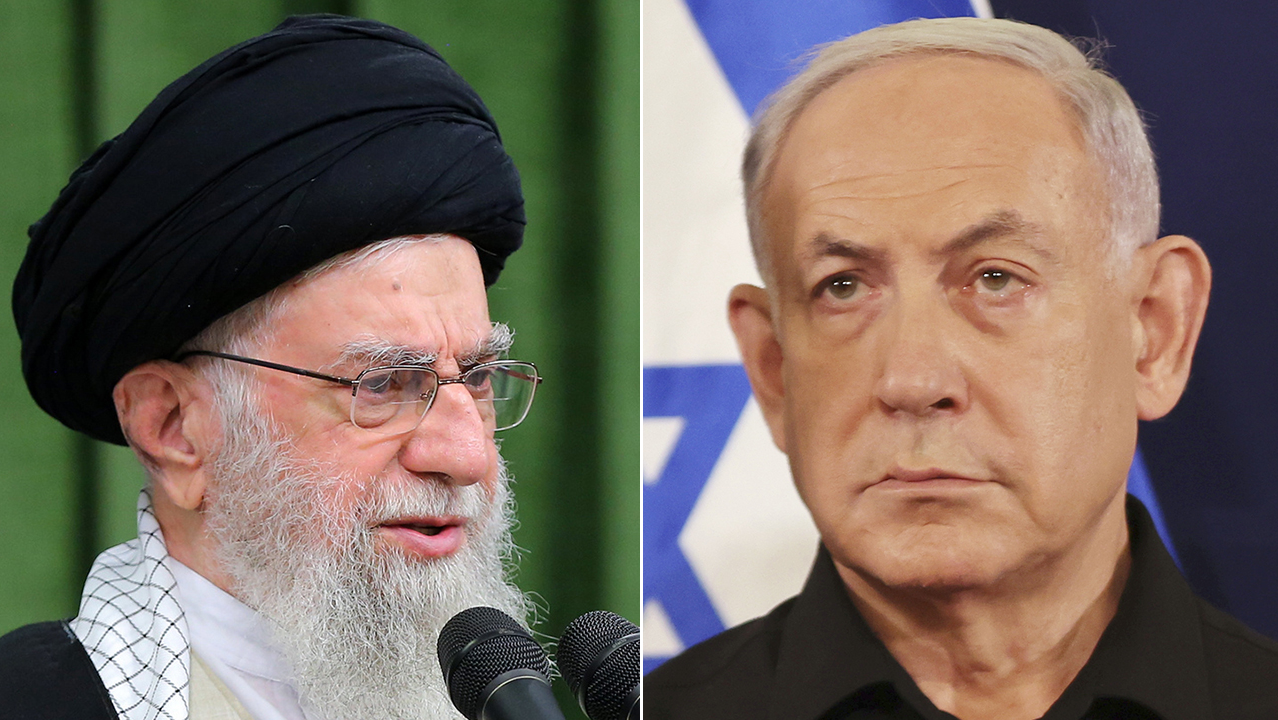
Two hours. That’s how close we came to a total blackout in Tehran. Before the 8 p.m. deadline on April 7, the world was bracing for "Operation Epic Fury" to level every bridge and power plant in Iran. Instead, we got a 14-day pause and a Truth Social post declaring "big money will be made."
If you're looking for a definitive peace treaty, you’re looking at the wrong deal. This isn't a resolution; it's a high-stakes timeout. While the US-Iran ceasefire deal has cooled the immediate threat of a "stone age" bombing campaign, the terms are messy, the motivations are cynical, and the "peace" doesn't even extend to Lebanon. Here’s what’s actually happening behind the closed doors in Islamabad.
The Fragile Terms of the Two Week Timeout
The primary win for the West—at least on paper—is the reopening of the Strait of Hormuz. Roughly 25% of the world’s seaborne oil flows through that narrow choke point. When Iran shut it down during the 40 days of hostilities, Brent crude spiked to $109. Markets are already exhaling, with oil prices dropping 13% since the announcement.
But read the fine print. Iran isn't just handing over the keys. Foreign Minister Abbas Araghchi was very specific: passage is possible only via "coordination with Iran’s Armed Forces." Tehran is framing this as "regulated passage," which is code for "we still control the valve."
The core components of the deal include:
- A 14-day suspension of all US and Israeli airstrikes on Iranian soil.
- The "immediate and safe" reopening of the Strait of Hormuz for commercial shipping.
- The commencement of direct negotiations in Islamabad, Pakistan, starting this Friday.
- A temporary halt on Iranian-backed militia attacks on US bases in Iraq and Syria.
What Most People Get Wrong About This Deal
There’s a massive gap between what Donald Trump calls a "workable basis" and what Iran is actually demanding. Iran’s 10-point proposal—the one Trump called "not good enough" just days ago—is still the only thing on the table from their side.
Tehran isn't just asking for a pause; they're demanding the total withdrawal of US combat forces from the region and full sanctions relief. They also want their right to nuclear enrichment enshrined in any final armistice. If you think the US is going to pack up every base in the Middle East and let the centrifuges spin in exchange for two weeks of quiet shipping, you’re dreaming.
The reality? This ceasefire was a face-saving exit for both sides. Trump didn't want to start a full-scale ground war in an election cycle, and Iran’s infrastructure was already buckling under 40 days of precision strikes. The "victory" is a PR play, not a strategic shift.
The Lebanon Loophole and Continued Strikes
Here is the part nobody talks about: the ceasefire is geographically selective. While the missiles stopped flying over Tehran and Kharg Island, they’re still raining down on Tyre and southern Lebanon.
Benjamin Netanyahu made it clear that the deal doesn't cover the fighting against Hezbollah. Just hours after the ceasefire was announced on April 8, Israeli drones hit targets in Lebanon, killing four people. This "double-sided ceasefire" is actually a patchwork of violence where the big players stop punching each other directly but keep kicking the subordinates. It’s a dangerous game. If a stray Israeli strike kills a high-ranking IRGC officer in Beirut tomorrow, the Islamabad talks will be dead before the first cup of coffee is served.
The Economic Reality Behind the Diplomacy
Let's be honest about why this happened now. It wasn't humanitarian concern. It was the South Pars gas field and the global supply chain.
When Israel hit the petrochemical plants in March, they didn't just hurt Iran; they rattled every major economy that depends on Middle Eastern energy. Japan, which gets 90% of its crude through Hormuz, was leaning hard on the US to find an off-ramp.
The US economy was feeling the heat, too. S&P 500 futures jumped 2% the moment the deal was signed. This wasn't a moral victory; it was an emergency repair to a global economy that couldn't handle $150 oil.
What You Should Watch for This Friday
The Islamabad summit is where the wheels will likely come off. You can expect the US to demand a "permanent and verifiable" end to Iran's nuclear program, while Iran will double down on their "10-point plan" which includes reparations for damaged infrastructure.
Watch these three red flags:
- The Strait "Coordination": If Iran begins seizing tankers under the guise of "technical limitations," the US will resume strikes immediately.
- Proxy Activity: Keep an eye on the Houthis. They’ve been quiet lately, but if they resume attacks in the Red Sea, the US will consider the ceasefire breached by association.
- The 8 p.m. Threat: Trump loves a deadline. Don't be surprised if a new "final" deadline is set for the end of the 14 days to keep the pressure on the negotiators.
Stop thinking of this as the end of the war. It's a tactical reset. If you’re invested in energy markets or have business interests in the Gulf, don't change your risk profile just yet. Two weeks is a lifetime in Middle Eastern diplomacy, and "the trigger," as the Iranian Supreme National Security Council put it, is still very much under their finger.