Every six months, Washington and Ottawa put on the exact same theatrical production. A minor regulatory dispute gets elevated to an existential crisis. Pundits on cable news clutch their pearls about the death of continental integration. Politicians dust off tariff threats like props from a low-budget western.
Stop buying the script.
The lazy consensus in mainstream coverage tells you that the United States and Canada are sliding into a destructive trade war because talks collapsed over stubborn nationalism. That narrative is wrong. It misses the structural reality of North American supply chains. It ignores the fact that modern manufacturing across the border is not a competition between adversaries; it is a single engine bolted together with cross-border logistics that politicians cannot sever without destroying their own economies.
I have spent two decades advising multinational supply chains through regulatory crossfires. I have watched corporations panic and burn millions of dollars reacting to press releases written by press secretaries who have never stepped foot on a factory floor. The reality on the ground is starkly different from the headlines. The trade war is largely a political feedback loop designed to extract concessions from domestic interest groups, not a structural decoupling of two deeply intertwined economies.
The Myth Of Border Friction
Look at the data that the headlines conveniently ignore. Over seventy percent of Canadian exports to the United States are intermediate goods. These are not finished products waiting on a shelf; they are raw materials, auto parts, and energy inputs that American factories desperately need to stay operational.
When a politician threatens a blanket twenty percent tariff on Canadian goods, they are threatening a direct tax on Michigan assembly plants and Texas refineries. The supply chain does not stop at the Detroit River. A single automotive component crosses the border up to eight times before a vehicle rolls off the lot.
To believe a full-scale trade war is imminent between these two neighbors, you have to assume that elected officials are willing to commit economic suicide for a soundbite. Sometimes they are foolish, but the institutional weight of cross-border corporate lobbying usually acts as a reliable brake. Behind closed doors, trade representatives are not screaming about sovereignty; they are carving out exemptions for the exact industries that bankroll their campaigns.
The friction is real, but the war is fake.
Follow The Domestic Audience
Why do these talks constantly collapse? The answer requires looking away from international relations and looking straight at domestic poll numbers.
When a prime minister or a president faces sliding approval ratings, nothing unites a fractured domestic base faster than an external enemy. Manufacturing a dispute with your largest trading partner costs virtually nothing in actual economic damage if you keep the threats narrow enough to avoid systemic shock, but it pays massive dividends in media coverage.
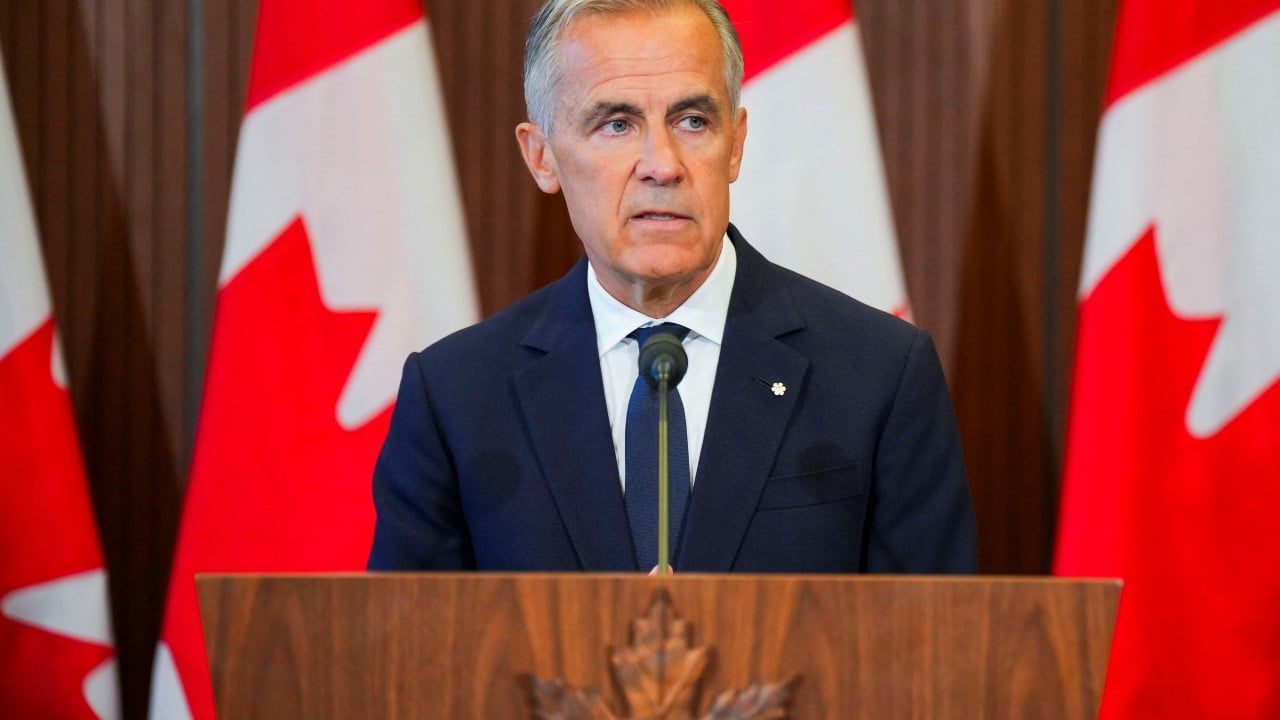
Imagine a scenario where a trade minister stands at a podium in Ottawa, slams a dossier on the desk, and declares that talks have broken down over dairy quotas or lumber subsidies. The media treats it as a breakdown in diplomacy. In reality, it is a choreographed ritual. Both sides know exactly where the red lines are. They walk right up to the edge, posture for the cameras, and then quietly sign a routine waiver extension three days before the deadline.
The public gets stressed. The markets twitch for an afternoon. Then the status quo resumes.
If you trade on these panic cycles, you lose. I have seen institutional investors dump solid industrial assets every time a border dispute makes the front page, only to watch those exact stocks rebound the moment the manufactured crisis evaporates.
The Unspoken Cost Of Protectionism
Even though the total trade war is a mirage, the targeted tariffs that do slip through cause real, localized damage. This is the dark side of the political theater. While the macro narrative of a total economic collapse is overblown, politicians frequently use minor trade disputes as cover to reward protectionist lobbies.
Take steel and aluminum quotas. Every time tariffs are slapped on metals, downstream manufacturers in both countries absorb higher costs. The politicians tout it as a victory for domestic workers. They never mention the thousands of jobs lost in downstream fabrication because local companies can no longer compete globally with bloated raw material costs.
Protectionism is a tax on competence. It forces efficient companies to subsidize inefficient ones under the banner of national security. When Canada retaliates with counter-tariffs, they do not randomly spray bullets; they target politically sensitive regions in the United States to maximize electoral pain for the incumbent party. It is a cynical game of chess played with other people's capital.
How To Position Your Business Ahead Of The Noise
If you run a business or manage investments exposed to the North American market, you need to completely reverse how you consume trade news.
First, stop reacting to the rhetoric. Treat every headline about collapsing trade talks as white noise until you see actual legislative text. Most ultimatums issued by trade representatives are bargaining positions designed to look fierce on evening broadcasts.
Second, map your tier-three and tier-four suppliers. The real vulnerability in US-Canada trade is rarely the finished product; it is the obscure fastener, chemical reagent, or software protocol sourced from a niche provider across the border. If a dispute hits, the supply chain breaks at the narrowest point, not the loudest one.
Third, build regulatory optionality into your contracts. Do not assume current tariff exemptions will last forever, but do not panic-buy inventory every time a politician starts shouting about protectionism either. Maintain buffer stock based on historical supply chain velocity, not media anxiety.
The system is not breaking down. It is adapting, grinding, and continuing to trade billions of dollars of goods every single day while the politicians scream at each other for the cameras.
Ignore the theater. Look at the balance sheets. The border is open for business.