Washington just escalated its geopolitical pressure campaign in the Caribbean, and the ripples are hitting Beijing and Moscow fast.
The U.S. Justice Department unsealed a federal indictment against Cuba’s 94-year-old former leader Raúl Castro. The criminal charges stem from a 1996 incident where Cuban military jets shot down two civilian aircraft operated by the Miami-based exile group Brothers to the Rescue, killing four people. While the case itself is thirty years old, the political fallout is unfolding right now. For an alternative perspective, check out: this related article.
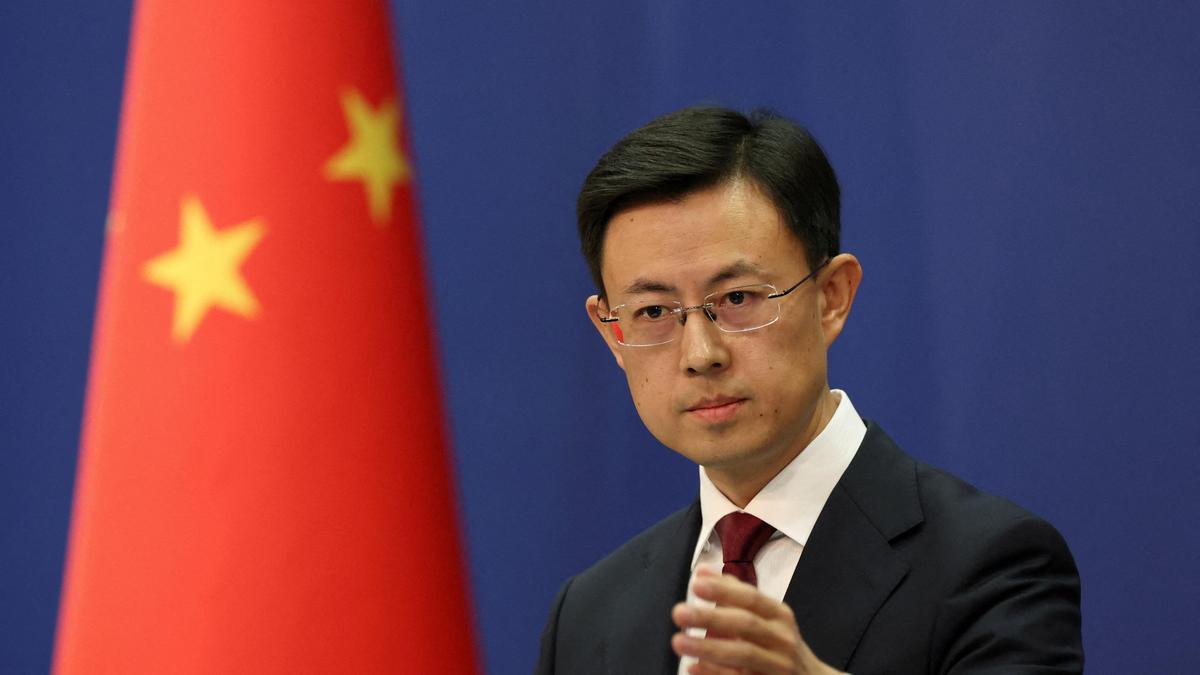
China wasted no time jumping into the fray. Chinese Foreign Ministry spokesperson Guo Jiakun publicly warned the U.S. to "stop brandishing the sanctions stick and the judicial stick against Cuba." Beijing isn't pulling punches here. They are framing this indictment not as a pursuit of legal accountability, but as a thinly veiled tool for regime change. Moscow quickly backed the sentiment, blasting what it called a "sanctions noose" and illegal unilateral blackmail.
This isn't just about an old cold warrior facing a court docket he’ll never actually see. It's a flashing neon sign that the geopolitical chess board is tightening, and Cuba is once again right in the crosshairs. Related coverage regarding this has been published by The New York Times.
The Strategy Behind a Thirty Year Old Indictment
You have to look at the timing to understand what's actually happening. Raúl Castro hasn't been the official president of Cuba for years, and he turns 95 next month. He isn't going to stand in a federal courtroom in Miami. So why pull the trigger on a grand jury indictment now?
It's all about precedent and leverage. The current White House administration has aggressively cranked up pressure across the hemisphere. Back in January, the U.S. military ran a high-profile raid in Venezuela to capture President Nicolás Maduro, who now faces narco-terrorism charges in New York. By indicting Castro for murder and conspiracy to kill Americans, Washington is signaling that no leader of an adversarial regime is out of reach.
For Cuba, the practical timing is devastating. The island’s economy is in its worst tailspin since the collapse of the Soviet Union. An intense U.S. oil blockade has left major cities facing rolling blackouts and severe fuel shortages. Food lines are long, and basic medical supplies are scarce. Just weeks ago, the White House rolled out Executive Order 14404, widening the net to penalize foreign financial institutions doing business with Cuba's energy, defense, and financial sectors.
By layering criminal homicide charges on top of these crushing economic blockades, the U.S. is squeezing the Cuban government from every available angle.
Why Beijing and Moscow Cared Enough to Step In
For China, this isn't just a routine defense of a fellow communist state. It's a firm stance against what Beijing views as legal overreach by Washington. The Chinese government routinely opposes unilateral sanctions that don't go through the United Nations Security Council. When the U.S. uses its domestic judicial system to indict foreign state actors, China views it as a direct threat to the concept of national sovereignty.
Think about it from Beijing's perspective. If Washington can indict a former Cuban president for actions taken decades ago, what stops them from using federal grand juries against Chinese officials over actions in the South China Sea or Taiwan? By drawing a line in the sand over Cuba, China is trying to defend the broader principle that domestic U.S. law shouldn't rule the global stage.
Russia’s defense of Havana follows a matching playbook. Russian Foreign Ministry spokesperson Maria Zakharova slammed the move as "gross interference in the internal affairs of a sovereign state." Both superpowers are essentially telling Washington that they will not sit idly by if the U.S. attempts a Venezuela-style intervention ninety miles off the coast of Florida.
What This Escalation Means for Global Supply Chains
If you think this political drama won't impact global commerce, you're missing the bigger picture. The escalating standoff creates a logistical minefield for businesses worldwide.
The true danger lies in the enforcement of secondary sanctions. Under the latest executive actions, foreign shipping lines, international banks, and energy traders face a stark choice: do business with Cuba or keep access to the U.S. financial system. You can't do both.
- The Compliance Nightmare: Global compliance departments are frantically auditing any transactions tied to the Caribbean. A single accidental processing error involving a designated Cuban entity can pull millions in fines.
- The Energy Standoff: With Venezuela’s oil exports severely disrupted, Cuba has relied heavily on alternative suppliers. Beijing’s vocal support suggests China may step up economic lifelines to prevent a total humanitarian collapse on the island, directly testing the limits of the U.S. embargo.
- De-Dollarization Risks: The constant use of the U.S. dollar and federal courts to penalize foreign nations is actively accelerating efforts by BRICS nations to develop alternative payment networks. Every time Washington expands its judicial reach, it gives countries like China and Russia more ammunition to convince neutral trading partners to bypass the dollar entirely.
Navigating the Rising Geopolitical Risk
This situation isn't going to cool down anytime soon. If your enterprise has global exposure, you can't treat this as an isolated diplomatic dispute.
First, urgently audit your third-party supply chains. Make sure no logistics providers or maritime shipping partners are touching Cuban ports or handling dual-use goods that could trigger a federal inquiry. The current administrative climate means enforcement agencies are looking to make examples of violators.
Second, prepare for heightened volatility in energy and shipping corridors. As the U.S. doubles down on its maritime blockade strategy, expect insurance premiums for commercial shipping in nearby lanes to creep upward.
Ultimately, the indictment of Raúl Castro isn't just a legal footnote from 1996. It is a calculated piece of a modern geopolitical puzzle, and the blowback will continue to distort global trade walls for the foreseeable future. Keeping your compliance frameworks airtight is the only way to avoid getting caught in the crossfire.