You walk down the crowded avenues of Istanbul or the sunny boardwalks of Izmir, and Turkey feels like a vibrant bridge between worlds. It is a country of rich history, deep-rooted traditions, and a fiercely proud populace. But scratch beneath the surface of the bustling cafes and modern cityscapes, and you find a starkly different reality for queer citizens. Over the past decade, the state apparatus has shifted from passive tolerance or bureaucratic neglect to an aggressive, state-sponsored campaign against the LGBTQIA+ community.
Why are queer people suddenly public enemy number one in Ankara? The answer isn't just about conservative morals. It's about political survival, media distraction, and a desperate bid to shore up a shrinking political base.
The Politics of Moral Panic
Governments love a scapegoat. When inflation spirals out of control, the national currency takes a severe beating, and youth unemployment sits stubbornly high, leaders need a convenient distraction. Pointing fingers at marginalized groups is an old playbook.
In Turkey, President Recep Tayyip Erdoğan and his Justice and Development Party (AKP) have weaponized traditional family values. They frame the LGBTQIA+ movement not as a group of human beings asking for basic rights, but as an existential threat to the nation. Speeches from the highest offices routinely label queer individuals as deviant, destructive, and backed by foreign powers aiming to erode Turkish culture.
It works because it taps into genuine conservative anxieties. By framing basic equality as a culture war against traditional family structures, the ruling party creates an us-versus-them narrative. If you are worried about paying for groceries, being told that foreign-backed activists are destroying your cultural heritage might just redirect your anger away from economic mismanagement.
Banning Pride and Silencing Public Life
Look at Istanbul Pride. Once a massive, joyful gathering drawing tens of thousands of participants right through the heart of Taksim Square, it has faced consecutive years of outright bans and brutal police crackdowns.
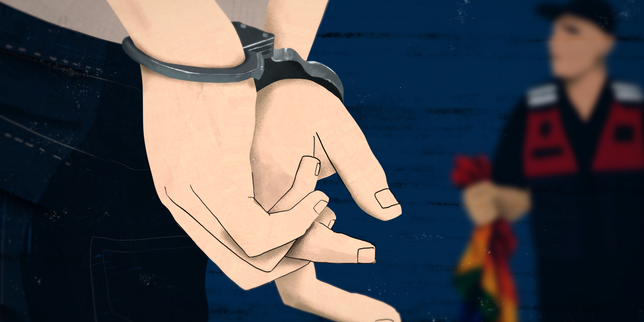
Authorities don't just deny permits; they shut down public transport hubs hours before a planned march, deploy riot police in full gear, and use rubber bullets and tear gas against demonstrators. Even quiet solidarity gatherings in university campuses face swift administrative retaliation.
The message is loud and clear. Public visibility is treasonous. Queer people are being forced back into the closet, pushed out of public squares, and stripped of their freedom of assembly.
Yet, people keep showing up. Every year, activists find creative ways to make their voices heard, whether through flash mobs, defiant press statements in narrow alleyways, or robust digital organizing. The resilience of the Turkish queer community is extraordinary, forged in the fires of constant resistance.
The Legal and Institutional Squeeze
Crackdowns aren't just happening on the streets. They are happening in courtrooms, broadcast studios, and digital spaces.
Radio and Television Supreme Council, known as RTÜK, regularly slaps hefty fines and broadcasting bans on television networks that feature queer characters or even discuss LGBTQIA+ issues. Streaming platforms operating within the country face intense pressure to censor or remove content containing queer themes.
Universities, once bastions of progressive thought and free expression, have seen their internal LGBTQIA+ student societies forcefully shut down by politically appointed rectors. Student organizers face disciplinary hearings, harassment, and sometimes even criminal charges simply for hanging a rainbow flag on campus.
Civil society organizations fighting for basic human rights find their bank accounts frozen, their offices raided, and their leaders dragged through protracted legal battles designed to bleed them dry financially and emotionally.
Why This Fight Matters Beyond Borders
Turkey occupies a unique geopolitical position. It is a NATO member, a historic bridge between Europe and the Middle East, and a country with deep economic ties to Western nations.
When a major state actively rolls back fundamental human rights, it sends a dangerous signal to authoritarian regimes everywhere. It proves that a government can suppress minority rights while maintaining diplomatic and economic relations with democratic powers.
International human rights watchdogs, including Amnesty International and Human Rights Watch, document these abuses meticulously. But diplomatic condemnation often rings hollow when weighed against strategic geopolitical interests like regional security agreements and migration pacts.
If you care about human rights, you cannot look away from what is happening in Turkey. The systematic erasure of queer citizens isn't an isolated domestic policy dispute. It is a testing ground for how far an authoritarian government can go in stripping away civil liberties under the guise of protecting tradition.
Supporting the Movement on the Ground
If you want to understand how to help, look to local grassroots organizations. Groups like Kaos GL and Pembe Hayat have been fighting the good fight for decades, providing legal aid, psychological support, and safe spaces for queer individuals facing persecution.
Donating to local Turkish human rights defenders, amplifying their stories on social media, and holding international leaders accountable for their silence are concrete actions you can take right now. Awareness is good, but sustained solidarity is better. Pay attention to local campaigns, support independent journalism reporting from the ground, and refuse to let the plight of Turkey's queer community fade into the background noise of the global news cycle.