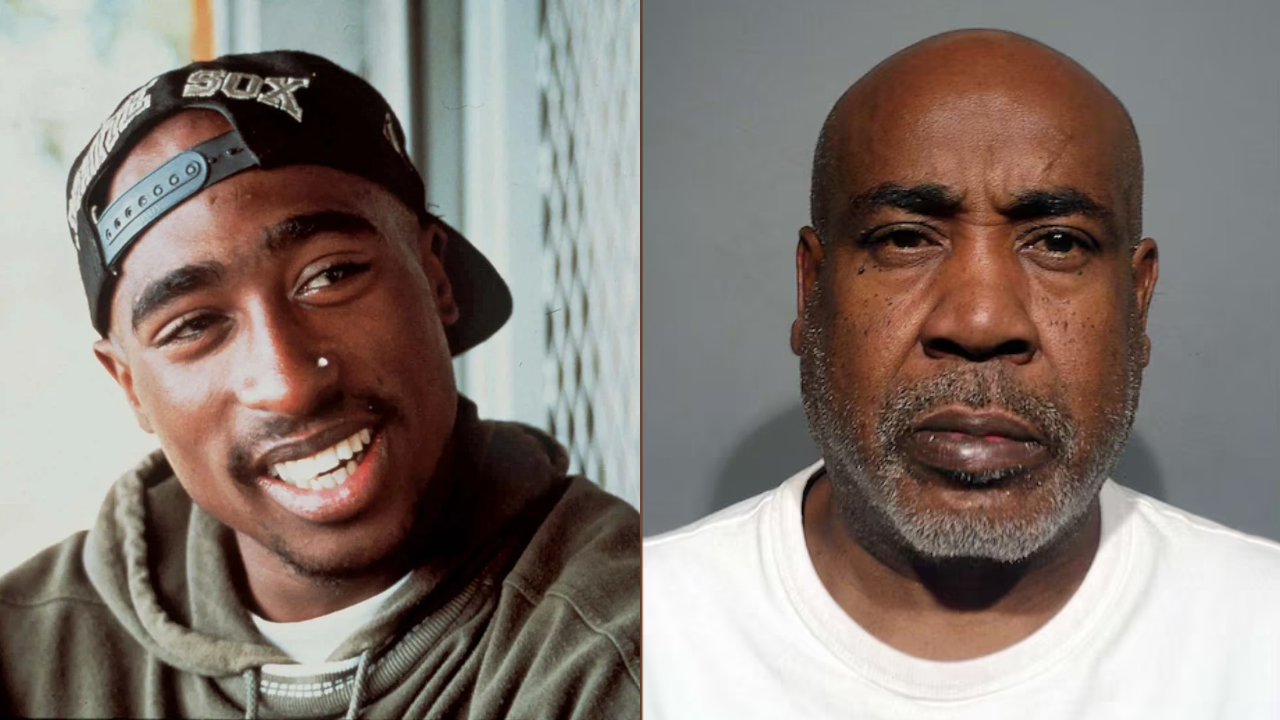
Thirty years. Three decades of mythology, cinematic conspiracies, flashing neon signs in Las Vegas, and millions of words spilled across magazines, documentaries, and internet forums. And how does society choose to close the loop on the murder of Tupac Shakur? By putting an aging, wheelchair-bound former gang member on trial in a desert courtroom while everyone pretends this bureaucratic theater has anything to do with justice.
Stop buying the script.
The lazy consensus in every mainstream headline is that the wheels of justice grind slow, but they grind exceedingly fine. We are told that Duane "Keffe D" Davis sitting at a defense table proves the system works. That persistence pays off. That the truth eventually bubbles to the surface if cops just wait long enough for egos to soften and old men to run out of money.
It is a fairy tale for people who prefer comforting illusions to messy realities.
I have spent years watching high-profile criminal investigations stall, pivot, and resurrect themselves for political expediency, and I can tell you flat out: this trial is not about closing a cold case from September 1996. It is about a fading municipal legal apparatus desperate for a headline, cashing in on nostalgia, and offering a convenient scapegoat for a tragedy that the system itself utterly botched from day one.
The Convenient Narrative of the Aging Fall Guy
Let us look at the mechanics of what is actually happening in Clark County. Keffe D has spent years talking himself into a cell. He wrote a book. He did podcast interviews. He treated his role in one of the twentieth century's defining cultural assassinations like a marketing campaign for a retired street legend looking for relevance.
The police took his public bragging and built an indictment out of old newspaper clippings, TV appearances, and hearsay.
Here is the dirty secret nobody in the mainstream media wants to print: talking about a crime on camera does not automatically make for a rock-solid, legally sound murder prosecution three decades later. Memories fade. Witnesses are dead, compromised, or bought off. Forensic evidence from 1996 is a joke by modern standards. Yet, the prosecution marches forward because the alternative—admitting that the murder of Tupac Shakur is an unsolved institutional failure that can never be properly rectified—is politically toxic.
When a legal system cannot solve a crime when the trail is hot, it manufactures closure when the trail is ice cold.
"Justice delayed is not just justice denied; it is often entertainment disguised as accountability."
Dismantling the Vegas Police Competence Myth
To understand why this trial is a farce, you have to look at the catastrophic failure of the Las Vegas Metropolitan Police Department in the autumn of 1996.
If you talk to veteran investigators who were actually on the ground back then—people who watched the initial response rather than reading about it on Wikipedia—they will tell you that the investigation into the shooting at the intersection of Flamingo Road and Koval Lane was botched by basic laziness and institutional indifference. Hip-hop culture was treated by local law enforcement not as a high-stakes cultural movement, but as a nuisance to be managed.
Witnesses in the entourage were uncooperative. The codes of the street clashed with the incompetence of suburban detectives. Instead of digging deep into the rivalries between Compton and Las Vegas, the investigation stalled out within weeks.
Now, fast forward thirty years. The same department that let the trail go cold hands us a courtroom drama starring a man who was allegedly in the Cadillac, handing the gun to the shooter, Orlando Anderson. Anderson, of course, cannot defend himself or offer a counter-narrative because he was killed in an unrelated gang shootout in 1998.
How convenient. You put a ghost on trial by proxy through an aging accomplice who loves the spotlight.
The Economics of Cultural Closure
Why now? Why did prosecutors pull the trigger on this case after nearly thirty years of silence?
Follow the incentives. Modern media ecosystems thrive on anniversary culture. Thirty years is the golden window where true crime crosses over into historical mythology. Podcasts, streaming services, and publishing houses demand clean arcs with beginnings, middles, and ends.
A trial creates daily updates. It generates press conferences. It lets politicians and district attorneys posture as relentless crusaders for truth.
Imagine a scenario where the district attorney stands up and says, "We messed up in 1996. We let the evidence slip through our fingers, the primary shooter is dead, and no courtroom maneuver today can bring back the cultural icon of a generation." That requires intellectual honesty and institutional courage. Those traits do not win elections in Clark County.
Instead, they give us Keffe D. They feed the public a diet of recycled testimony and call it accountability.
The Real Question We Should Be Asking
People keep asking: Will Keffe D be convicted?
That is the wrong question entirely. It traps you inside the framework the prosecution built. The real question is: What does a conviction thirty years too late actually solve?
Does it fix the systemic rot in law enforcement that ignored violence in communities of color during the nineties? No. Does it bring back a twenty-five-year-old artist whose genius was cut short because institutional protection mechanisms failed? Absolutely not. Does it provide a blueprint for preventing similar tragedies today? It does the exact opposite; it teaches departments that if you wait long enough for everyone to forget the details, you can substitute theater for rigor.
We are watching a nostalgia-driven show trial. It is a legal performance designed to give closure to an audience that confuses headlines with reality.
Tupac Shakur deserved an investigation worthy of his impact on the world. What he got in 1996 was apathy, and what he is getting now is a circus. Don't buy a ticket.