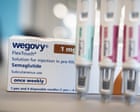
Wegovy and Ozempic changed how we look at weight loss and diabetes, but recent data suggests a terrifying trade-off for some patients. If you're using these semaglutide injections, you need to know about NAION. It's a rare, irreversible condition often called "eye stroke." A massive study from Mass Eye and Ear, published in JAMA Ophthalmology, shows that Wegovy users might face a risk five times higher than those on other weight loss drugs. That’s not a small jump. It’s a massive red flag that doctors are only just starting to process.
The medical community is buzzing because this isn't about blurry vision or dry eyes. This is about waking up and realizing you can't see out of one eye. Permanently. The study looked at over 17,000 patients over six years. It found a specific, alarming link between semaglutide and Non-Arteritic Anterior Ischemic Optic Neuropathy (NAION). While the overall number of cases is still low, the relative risk for those on Wegovy is hard to ignore. Meanwhile, you can read similar stories here: The Henrietta Lacks Settlement Myth and the End of Medical Altruism.
Why the Eyes are Reacting to Semaglutide
Semaglutide mimics a hormone called GLP-1. It tells your brain you're full and slows down your stomach. It's great for your waistline. It's potentially disastrous for the blood flow to your optic nerve. Scientists think the drug might change how blood vessels constrict or dilate. The optic nerve is a sensitive bundle of fibers. If it loses oxygen for even a short period, the cells die. They don't grow back.
NAION happens when the blood supply to the front of the optic nerve gets choked off. It’s painless. You won’t feel a thing. You just lose your vision. Most people notice it first thing in the morning. The study showed that for people with obesity taking Wegovy, the risk was significantly higher than those using non-GLP-1 weight loss medications. For those with diabetes taking Ozempic, the risk was also elevated, though the Wegovy group saw the most dramatic spike. To explore the bigger picture, we recommend the detailed analysis by CDC.
Comparing the Risk Factors
You have to look at the numbers to see the full picture. Among people with obesity, those on semaglutide were seven times more likely to be diagnosed with NAION over a three-year period compared to those on other drugs. If you have type 2 diabetes, the risk was about four times higher.
It’s worth noting that this study shows a correlation, not a guaranteed cause-and-effect. However, when the multiplier is sevenfold, you stop calling it a coincidence. The researchers, led by Dr. Joseph Rizzo at Harvard Medical School, were surprised by the strength of the association. They weren't looking for this. They noticed a trend in their clinic and decided to dig into the data. What they found should change how every doctor prescribes these "miracle" shots.
The Symptoms You Can't Ignore
NAION doesn't give you a heads-up. It’s a sudden event. Most patients describe a "shade" or "curtain" coming down over their vision. It usually affects only one eye at first.
- Sudden loss of vision in one eye.
- No pain or redness.
- Loss of peripheral vision.
- Decreased contrast or "washed out" colors.
If you experience any of these, don't wait for your next check-up. Go to the emergency room or an ophthalmologist immediately. There is no "cure" for NAION once the damage is done. Some treatments might help stabilize the situation, but the goal is prevention.
Should You Stop Taking Wegovy
Don't panic and flush your pens down the toilet. For many, the benefits of Wegovy—like reducing the risk of heart attack, stroke, and kidney failure—still outweigh the rare risk of sight loss. Obesity and diabetes are killers. They cause their own types of blindness, like diabetic retinopathy. You’re trading one set of risks for another.
The real conversation needs to happen between you and your doctor. If you already have issues with your optic nerve, or if you have a "crowded" optic disc (something an eye doctor can see during a routine exam), Wegovy might be a bad idea for you. Your history matters. Your anatomy matters.
What the Drug Makers Say
Novo Nordisk, the company behind both Ozempic and Wegovy, has pointed out that the study has limitations. It was an observational study. It wasn't a randomized controlled trial. They argue that NAION is already more common in people with diabetes and obesity. That's true. But it doesn't explain why the semaglutide group specifically saw such a massive jump in cases compared to people with the same conditions taking different meds.
The company says patient safety is their top priority. They’re monitoring the data. But they haven't updated the warning labels to include NAION yet. In the meantime, the burden of awareness falls on you.
Protecting Your Sight While Losing Weight
You can be proactive without quitting your medication. It starts with a comprehensive eye exam. Tell your eye doctor you're on a GLP-1 agonist. They can look for specific risk factors in your eye structure that might make you more susceptible to an "eye stroke."
Monitor your blood pressure. Rapid drops in blood pressure, especially at night, are linked to NAION. If Wegovy is helping you lose weight fast, your blood pressure might be shifting. Keep a log. Stay hydrated.
Managing the Weight Loss Hype
We’re in a period where these drugs are treated like magic. Everyone wants them. They’re being prescribed by online clinics that might not be doing a deep dive into your ocular history. This study is a reality check. Medicine always involves a cost-benefit analysis.
For a person with 100 pounds to lose and a failing heart, a 1 in 1,000 risk of eye stroke might be acceptable. For someone trying to lose 15 pounds for a wedding, maybe it isn't. You have to decide where you fall on that spectrum.
Talk to Your Specialist
If you’re on Wegovy or considering it, ask your doctor these specific questions.
- Do I have a "small cup-to-disc ratio" in my eyes?
- How will we monitor my vision while I'm on this drug?
- Given my cardiovascular health, is the risk of NAION worth the weight loss?
Getting a baseline eye exam before starting Wegovy is the smartest move you can make. It gives your doctor a "before" picture to compare against if things go wrong later. Don't let the excitement of a smaller waistline blind you—literally—to the potential side effects.
The most important thing you can do right now is schedule an appointment with an ophthalmologist. Ask for a fundus exam. It’s a simple, non-invasive way to see the back of your eye. If they see anything concerning, you might want to rethink the semaglutide. If your eyes look healthy and your optic nerves have plenty of room, you can proceed with much more peace of mind. Your vision is too precious to gamble with for the sake of a trend.