Everyone’s looking at the two-week ceasefire between Iran and the United States as a massive diplomatic win. You’ve probably seen the headlines. Pakistan stepped in, the UN is cheering, and Beijing is nodding along with its usual "we told you so" attitude. But if you think China is the one pulling the strings or diving headfirst into Middle Eastern security, you're missing the point. China isn't playing the hero here. It's playing the long game, and that requires keeping a very specific, very calculated distance.
China’s role in this ceasefire isn't about being the world’s new policeman. It’s about being the world’s most careful accountant. While Washington spends billions on "Operation Epic Fury" and Israel launches strikes that took out Ayatollah Khamenei in February 2026, Beijing is busy counting barrels of oil and checking the calendar for a rescheduled summit with Donald Trump. For a different look, see: this related article.
Why China stays on the sidelines
Don't mistake China's support for the ceasefire for actual intervention. Beijing loves the narrative of being a peacemaker—it's great for the brand—but it has no interest in getting its hands dirty. If you look at the numbers, you'll see why. In 2025, China did about $108 billion in trade with Saudi Arabia and another $108 billion with the UAE. Meanwhile, its official trade with Iran was just under $10 billion. Even if you factor in the "shadow" oil trade that brings Iran's total closer to $41 billion, it’s still a fraction of what China has at stake with Iran's rivals.
China needs the Middle East to be stable enough to ship oil, but not so stable that the U.S. can just pack up and leave. A distracted America is a manageable America. If the U.S. is bogged down in a war with Tehran, it’s not spending that energy in the South China Sea or Taiwan. Similar reporting on the subject has been published by Reuters.
The performative peace proposal
China put forward a five-point proposal recently, echoing its previous attempts at "peace plans" for Ukraine. It sounds good on paper. It calls for sovereignty, dialogue, and an end to hostilities. But it’s mostly talk. U.S. officials have already called it "performative," and they aren't entirely wrong. Beijing wants to be seen as the "responsible adult" in the room while the U.S. is portrayed as the "reckless aggressor."
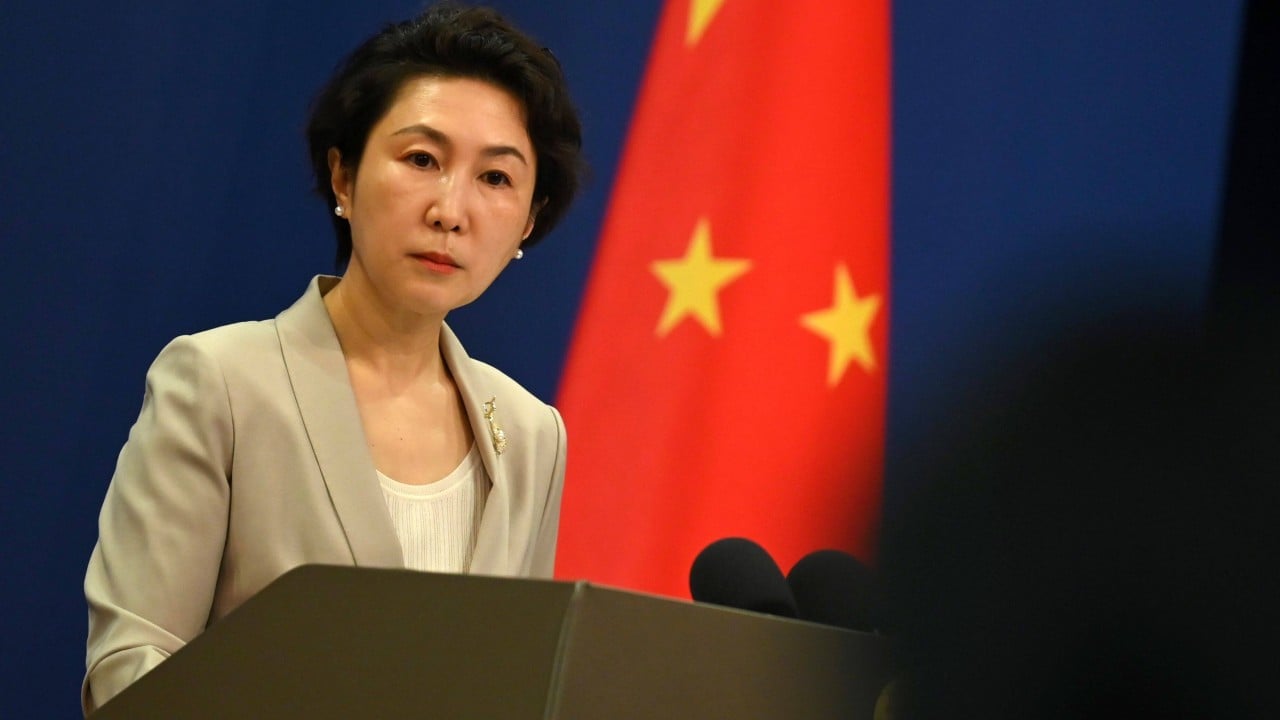
It's a brilliant PR move. By supporting the Pakistan-mediated ceasefire, China gets to claim diplomatic credit without actually risking anything. They didn't host the talks. They didn't guarantee the terms. They just "welcomed" them from the safety of a press briefing in Beijing.
The strategic distance strategy
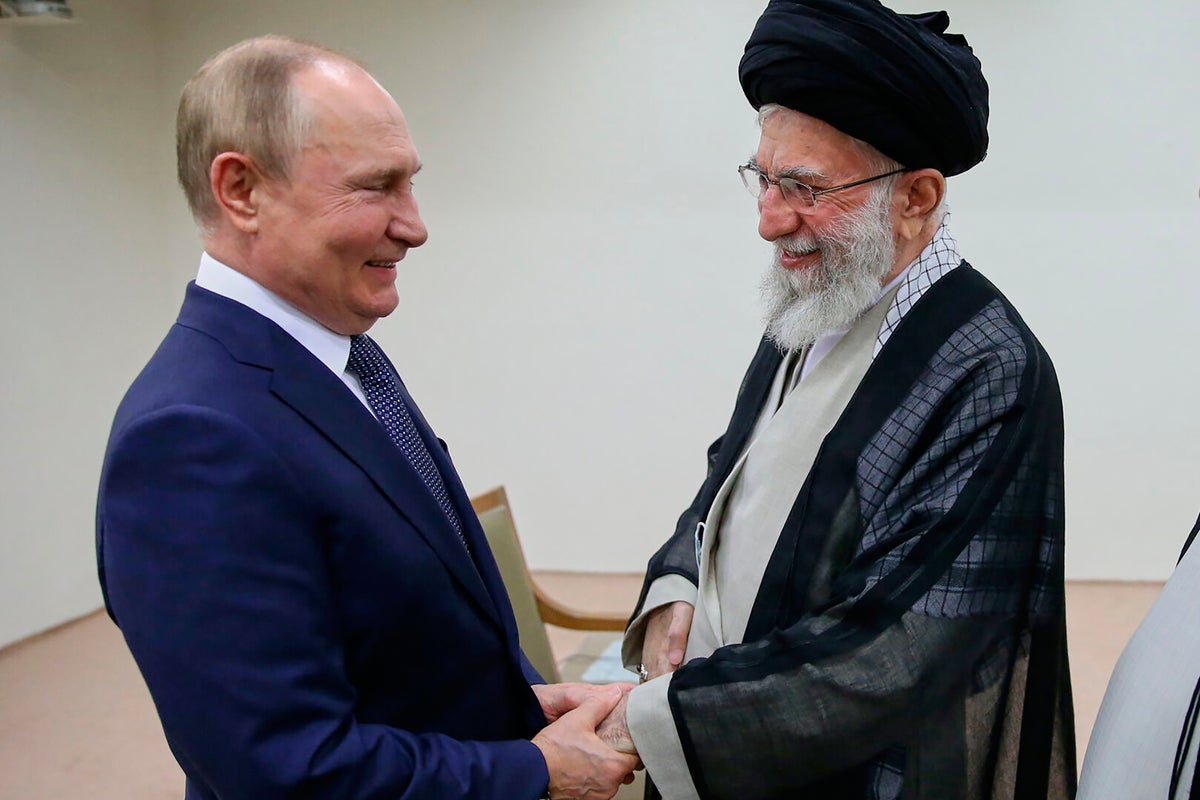
You’ve heard the term "Axis of Upheaval" or "Axis of Autocracy" to describe China, Russia, and Iran. It’s a catchy phrase, but it doesn't quite fit the reality of 2026. While Russia and Iran are tight, China treats Iran like a "friend with benefits" rather than a true ally.
When the U.S. and Israel ramped up strikes in early 2026, did China send a fleet? No. They evacuated 3,000 of their citizens and told everyone else to be careful. They even skipped the joint naval exercises with Iran and Russia in the Strait of Hormuz this February. That's not what you do for a "strategic ally." That’s what you do when you don't want to get hit by a stray missile.
Energy is the only anchor
The only reason China cares about Iran is energy security. China is the world's largest crude importer. In 2025, they were buying 1.4 million barrels a day from Iran—about 12% of their total imports. They get this oil at a massive discount because of U.S. sanctions.
If the Strait of Hormuz closes, China’s economy takes a gut punch. But here’s the kicker: they also know that if they support Iran too loudly, they alienate the Saudis and the Emiratis, who provide the other 88% of their needs. So, they sit in the middle. They sell Iran some dual-use tech and maybe a few "offensive drones" (if reports are true), but they won't sign a mutual defense treaty.
What actually matters for the rest of 2026
The real reason Beijing is playing nice right now isn't the Middle East at all. It's the upcoming summit with Donald Trump. Originally set for March, it’s been pushed to May 14 because of the Iran war.
China needs this meeting. Their GDP growth target for 2026 is down to 4.5–5%. Their manufacturing sector is shrinking. They need a stable relationship with the U.S. to fix their domestic economy. If helping "support" a ceasefire in the Middle East makes the White House happy enough to talk trade and technology in May, then Beijing will do it in a heartbeat.
- Economic Priorities: Fixing the 25% slump in manufacturing is more important than Tehran’s survival.
- Summit Logistics: Trade talks in Paris actually went well, signaling that both sides want to lower the temperature.
- Hormuz Access: China will oppose any UN effort to use "force" to open the Strait, preferring to use diplomatic pressure to keep the oil flowing.
Don't expect China to suddenly become a regional mediator. They'll continue to let Pakistan or Qatar do the heavy lifting while they stand in the back and collect the diplomatic points. For you, the takeaway is simple: watch the oil prices and the May summit dates. Those are the real metrics of success, not the "five-point plans" coming out of the Foreign Ministry.
If you're looking at investments or regional stability, keep your eye on the "oil-for-infrastructure" deals. Those are the only places where China is putting real money down. Everything else is just a well-timed press release.