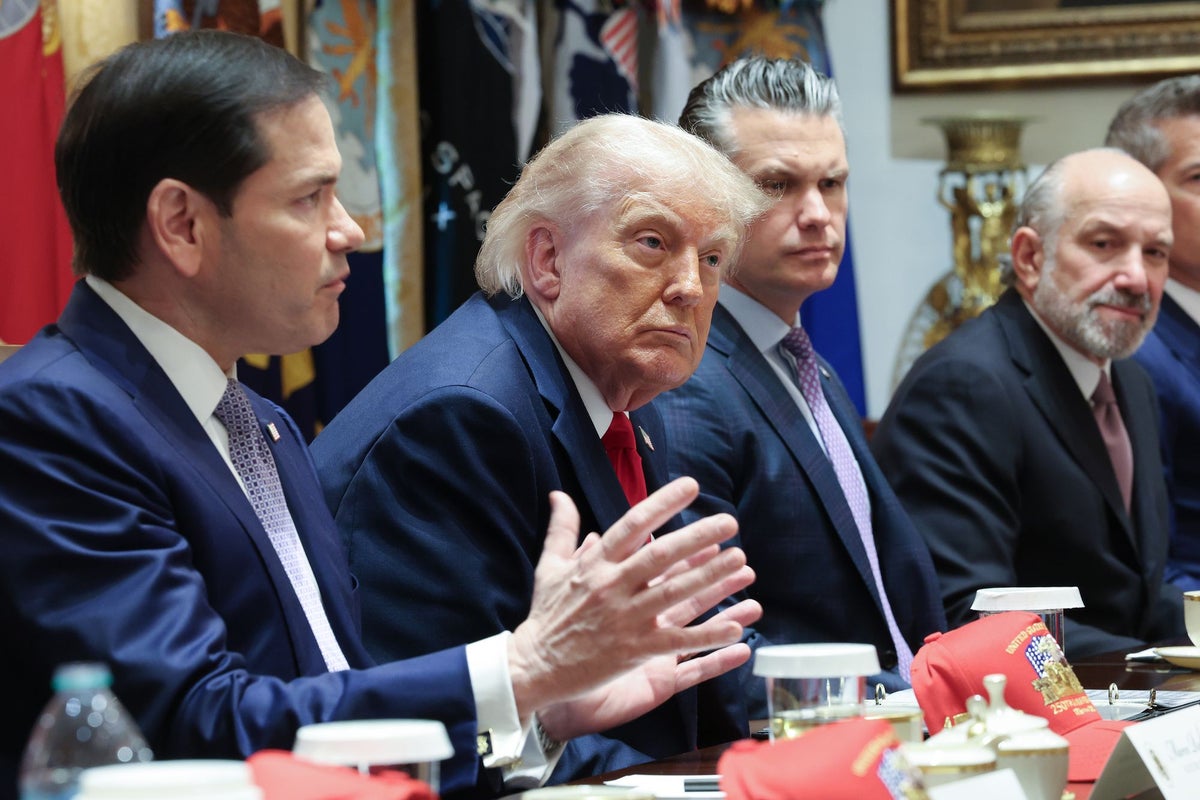
Donald Trump wants a deal with Iran. He has already signed a memorandum of understanding to halt a brutal four-month war, reopen the critical Strait of Hormuz, and try to stop oil prices from spiraling out of control. But while the president is ready to put his preferred custom gold Sharpie to a final pact, his handpicked national security team is screaming wait.
A major rift has split the White House. On one side, you have the dealmakers pushing for a diplomatic win. On the other side, Trump’s top intelligence, defense, and diplomatic chiefs are looking at raw intercept data and realizing that Iran is playing a double game.
This is not a minor policy disagreement. It is a fundamental clash over whether the Islamic Republic can ever be trusted to dismantle its nuclear ambitions.
The Intelligence Split That Disturbed the Situation Room
The fractures burst into the open following a briefing from CIA Director John Ratcliffe. The intelligence chief presented a cache of internal Iranian communications that completely contradict what Tehran tells international mediators.
While Iranian negotiators smile at the table and promise sweeping nuclear concessions, their officials are singing a completely different tune behind closed doors. They are actively discussing how to retain their nuclear footprint, bypass restrictions, and keep their remaining stockpiles hidden.
Ratcliffe dropped this intelligence directly on the table, and it immediately rallied the hawks. Secretary of State Marco Rubio and Defense Secretary Pete Hegseth jumped in to back the CIA director. They argue that the current 14-point framework relies on a version of Iran that simply does not exist.
The Hawks Versus the Dealmakers
The administration has split into two distinct camps, and the battle lines are drawn right through the West Wing.
- The Sceptics: Ratcliffe, Rubio, and Hegseth. Their argument is simple. You cannot verify a deal when the other side is caught lying in real-time internal communications. Rubio is pushing for strict, unyielding monitoring of enrichment facilities, while Hegseth is reminding everyone that the U.S. military still has immense leverage after months of intense airstrikes.
- The Agitators for Peace: Vice President JD Vance, along with special envoys Steve Witkoff and Jared Kushner. This group wants the war over. They see the economic toll—the massive shipping bottlenecks in the Strait of Hormuz, the spikes in global energy markets, and the strain of prolonged military deployment—and want a signature on paper to restore stability.
Trump is caught right in the middle. White House insiders say he listens to everyone, but he clearly wants the theater of a grand diplomatic victory. The administration claims the deal meets every single American red line, promising that Iran will never get a nuke, will surrender its highly enriched uranium, and won't hold the global energy supply hostage. But the people running the Pentagon and the CIA think those promises are written on sand.
We Negotiate With Bombs
The irony here is that the military pressure was supposed to force a real surrender, not a compromised deal. Hegseth famously noted that the U.S. air campaign meant Washington was "negotiating with bombs."
The Pentagon claims the military objective has been wildly successful. U.S. and Israeli strikes have leveled huge portions of Iran's defense industrial base. Hegseth noted that ballistic missile attacks against American forces dropped 90% after weeks of intense bombardments, and Trump boasted that more than 80% of Iran's missile launchers were destroyed.
But despite that massive damage, Iran still manages to pull off drone and missile launches. Hardliners in Tehran are actively trying to derail the talks through internal political pressure and localized military actions near the shipping lanes. They know that as long as they hold the threat of closing the Strait of Hormuz, they have an economic knife to the throat of the West.
What Happens to the Uranium?
The biggest sticking point is Iran’s 970 pounds of enriched uranium. It sits buried deep inside heavily fortified mountain facilities.
Trump claims the U.S. will simply retrieve the material as part of the pact. But nuclear experts and military planners are quietly panicking about the logistics. If Iran refuses to willingly hand it over or if they hide parts of the stockpile—which Ratcliffe's intelligence hints they plan to do—the U.S. faces a nightmare scenario. Seizing that material without genuine, verifiable cooperation would require sending a massive deployment of American ground troops into a hostile country to secure subterranean bunkers.
The current framework promises that if a final deal goes through, the U.S. will pull out all newly mobilized regional military forces within 30 days and roll back sanctions. Rubio and Hegseth fear that once the U.S. pulls back its naval blockade and aircraft carriers, Washington loses all its leverage, leaving Iran free to resume its covert nuclear program with a freshly repaired economy.
The Looming Deadline
A formal signing ceremony is still penciled in for Friday, and shipping traffic through the Strait of Hormuz is already showing signs of life. The White House wants the win. They want oil prices to drop, and they want to declare an end to a risky regional war.
But your top national security officials warning that a deal is built on deception is a terrible way to start a peace treaty. Trump prides himself on being the ultimate dealmaker, but his team is trying to remind him of a basic rule of international politics: a bad deal is always worse than no deal at all.
If you want to track how this internal White House battle plays out before the Friday deadline, keep a close eye on the specific language Rubio uses in his upcoming public briefings. The exact wording around verification terms will tell you who won the argument in the Situation Room.
For a deeper dive into the administration's strategic endgame and the pressure points in the region, check out this Rubio update on Iran war negotiations. This video provides crucial context on the alternative military options the Secretary of State is holding over Tehran if the current diplomatic framework falls apart.