.jpg)
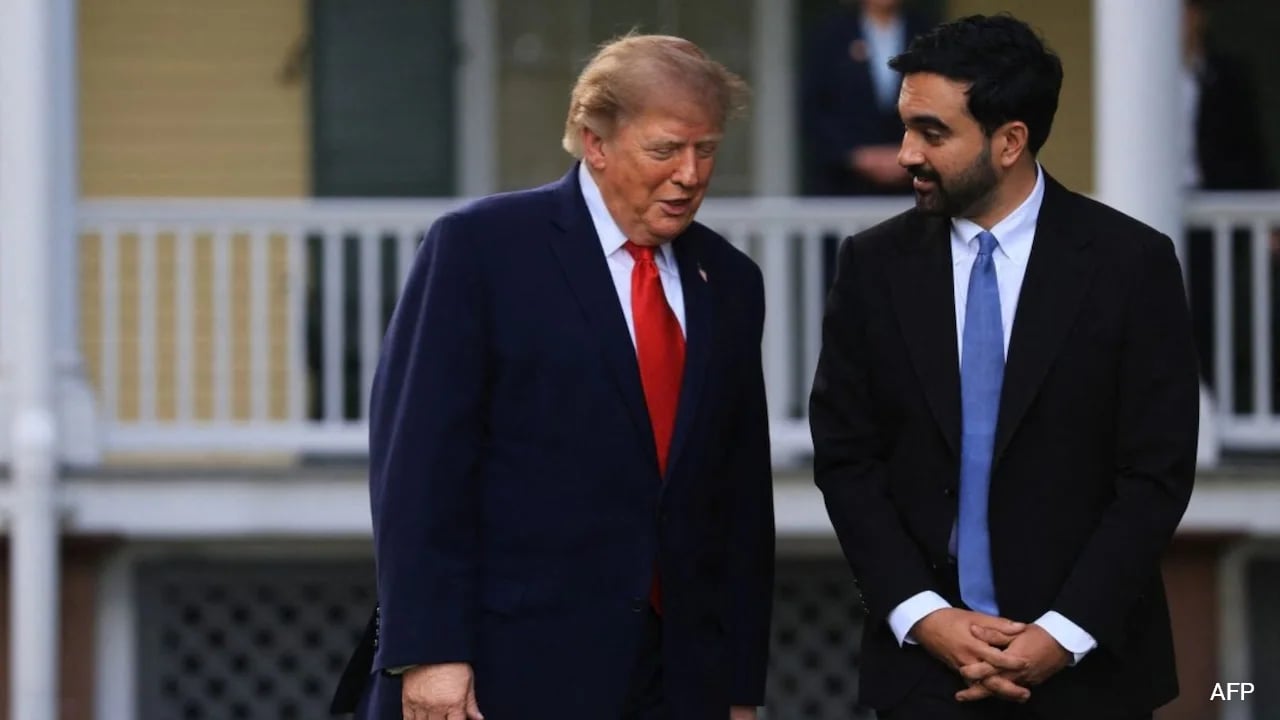
If you expected a grand geopolitical breakthrough from the high-profile White House meeting between Donald Trump and Xi Jinping, you probably haven't been paying attention to how these superpowers operate. The red carpets rolled out, Marine One got plenty of camera time, and the state dinner menus made headlines. Yet beneath the heavy dose of protocol and pageantry, the actual policy outcomes remained remarkably thin.
When two leaders with massive domestic pressures and fundamentally conflicting worldviews sit down behind closed doors, grand bargains rarely happen over appetizers. Instead, you get a managed truce. Both sides needed a moment to calm nervous markets and signal stability to the rest of the world. But if you look past the photo ops, the core structural conflicts over technology, trade imbalances, and regional security didn't get resolved. They just got kicked down the road.
The Trade Truce Illusion
Let's talk about the economic side of the ledger. Trump and Xi walked away from the table boasting about temporary agreements on specific export items and a cooling of immediate tariff escalations. China agreed to return to baseline purchases of American agricultural goods like soybeans, while Washington held off on rolling out punishing new duties.
It sounds like progress until you remember how this playbook always runs.
- Announce a temporary ceasefire.
- Tout mutual concessions on commodities or specific manufacturing caps.
- Ignore the elephant in the room: China's massive industrial overcapacity and structural trade surplus.
Chinese manufacturing exports continue flooding global markets at a staggering pace, heading toward record surpluses. A handshake over soybeans or rare-earth mineral export delays doesn't change the underlying mathematical reality of global supply chains. Trump wanted a deal he could package as a win for American farmers and exporters, and Beijing wanted to lower the temperature just enough to keep its economic engine humming without making structural concessions on state subsidies.
The Missing Tech and Security Breakthroughs
If trade was light on substance, the technology and security discussions were practically invisible. Artificial intelligence governance and advanced microchips sit at the absolute center of the modern U.S.-China rivalry. Yet, the summit produced little more than agreement to keep talking through newly minted dialogue channels.
Washington wants to lock down American dominance in high-end semiconductors, while Beijing views tech self-sufficiency as a non-negotiable national security priority. You can't bridge that gap with a polite afternoon conversation. Trump punted on tough enforcement regarding tech transfers, leaving major chipmakers and software giants to navigate a murky gray zone of export controls.
Meanwhile, thorny regional flashpoints like Taiwan and broader security architecture in the Indo-Pacific received the standard diplomatic gloss. Beijing reiterates its core red lines, Washington signals strategic ambiguity, and analysts spend weeks parsing readouts for slight shifts in phrasing that usually mean nothing at all.
Why Optics Trumped Outcomes
Why do these summits keep happening if they yield so few binding resolutions? Because optics have utility.
Trump operates on personal relationships and the belief that direct leader-to-leader rapport can bypass bureaucratic gridlock. Greeting Xi personally and offering lavish ceremonies serves domestic political theater. It projects strength and control. For Xi, visiting Washington as an equal global titan helps project stability back home, reassuring domestic audiences that China can manage its primary external adversary through strength and poise.
The danger lies in mistaking the performance for the reality. When leaders rely on temporary personal truces instead of institutional frameworks, every future disagreement carries the risk of a sudden, violent escalation.
Watch what happens next at multilateral forums like APEC rather than focusing on the White House guest book. Real strategic shifts rarely happen under the blinding lights of a state arrival ceremony. They happen when negotiators grind out boring, unglamorous details out of sight. Until then, enjoy the theater, but don't mistake it for peace.