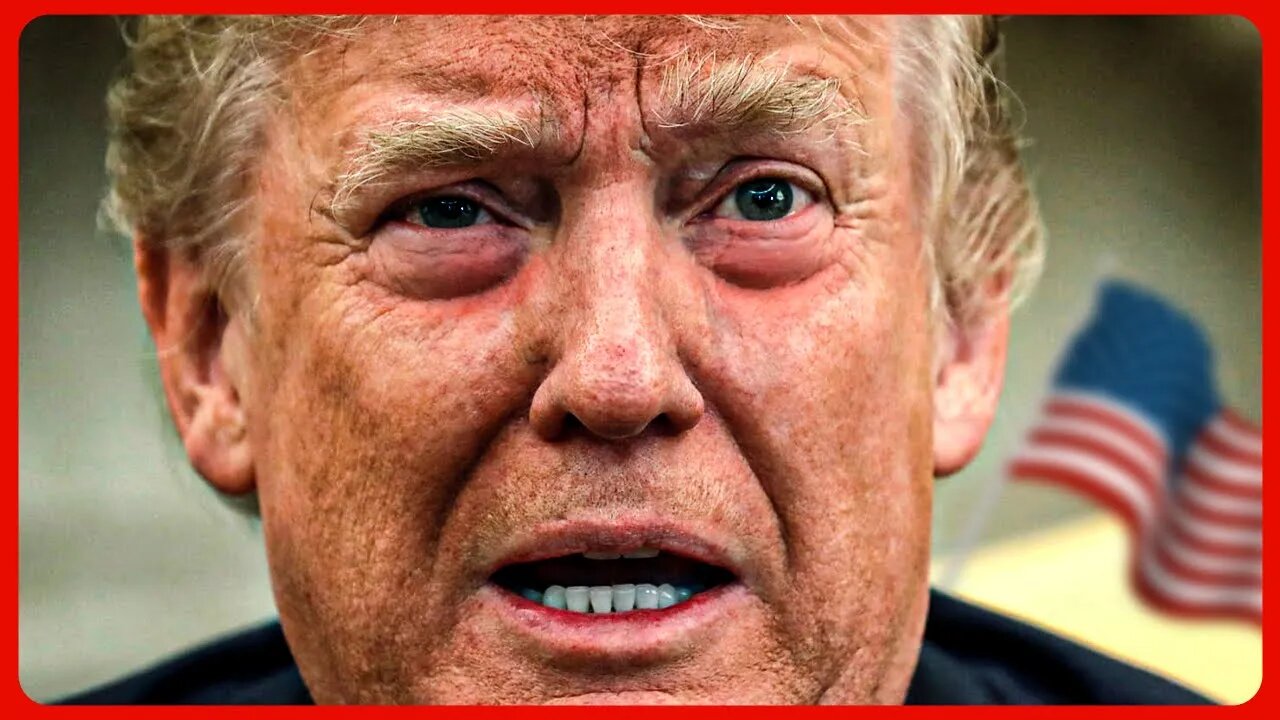
Donald Trump thinks he has Iran in a death grip, and he isn't afraid to say it. Calling his naval blockade "genius" during a Wednesday presser, the President made his stance crystal clear: the ships stay put until the nuclear program is dead. But if you think Tehran is about to wave a white flag, you haven't been paying attention to the shift in power inside the Islamic Republic. The "Islamabad Talks" failed for a reason.
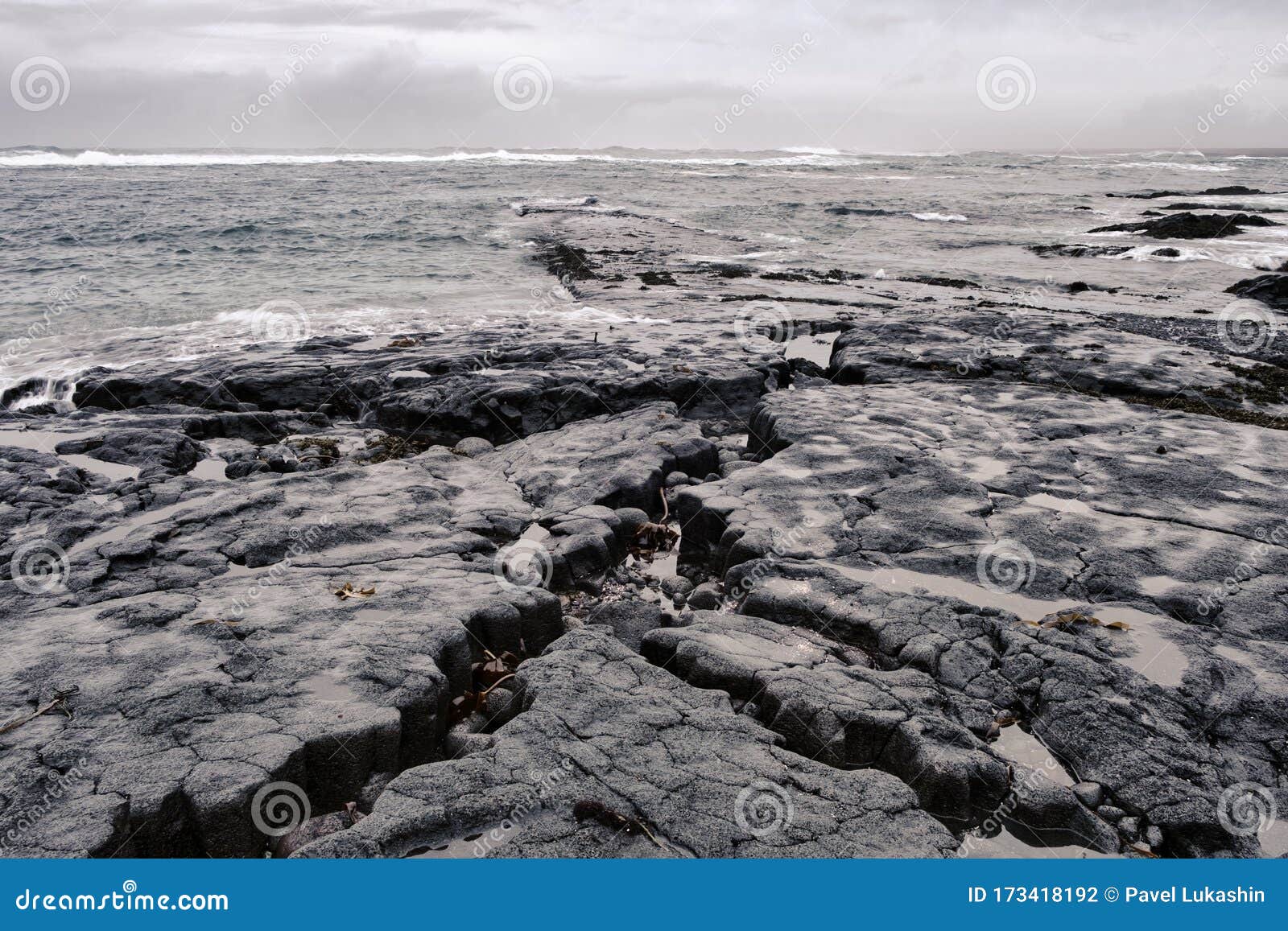
We're currently witnessing a dual blockade that has effectively turned the Persian Gulf into a bathtub with the drain plugged. On one side, the U.S. Navy is choking off Iranian ports to stop their oil from reaching the "shadow fleet." On the other, Iran has the Strait of Hormuz under a virtual lock and key, demanding million-dollar tolls in Chinese Yuan and sending drones after anything that looks like a Western tanker. It's a high-stakes staring contest where both sides have already decided they aren't going to blink first. Meanwhile, you can explore other stories here: Structural Erosion of Global Information Markets: The Mechanics of Press Suppression.
The Vahidi Doctrine and the Death of Iranian Diplomacy
The biggest mistake Western analysts make is assuming there's still a "moderate" faction in Tehran looking for a way out. That's over. Following the strikes in February and the death of the previous leadership, the IRGC has moved from the sidelines to the driver's seat. Major General Ahmad Vahidi is the one calling the shots now, and his "Vahidi Doctrine" is simple: no concessions until the U.S. Navy clears out.
Iran isn't just being stubborn; they're being tactical. They’ve spent the recent ceasefire regenerating their drone and missile stockpiles. While Trump brags about the blockade being "100% foolproof," the IRGC is busy integrating Oman into a scheme to legitimize their toll-collecting operations. By framing the blockade of the Strait as a "sovereignty and toll" issue rather than a military closure, they're trying to peel away international support for U.S. sanctions. To explore the bigger picture, check out the excellent analysis by Reuters.
Don't expect the next Iranian proposal to look like a compromise. It won't be. It'll be a repackaged demand for a total U.S. withdrawal, likely backed by threats of renewed Houthi attacks in the Red Sea. They know the global economy is hurting more than Trump admits.
Why 126 Dollar Oil Isnt Enough to Move the Needle
Brent crude is sitting at $126 a barrel as of April 30. That's a brutal number for a U.S. administration heading into an election cycle. Trump claims the Iranians are "choking like a stuffed pig," but the reality on the ground is more complicated. Yes, their exports are decimated, but the global supply shock is hitting $190-per-barrel territory if this impasse lasts through the summer.
The U.S. is betting that Iran will run out of storage space for its unexported oil and be forced to cap its wells. It's a theory that looks good on a spreadsheet but ignores the Iranian regime’s ability to absorb domestic pain. They’ve lived under "Maximum Pressure" before. This time, they have the leverage of a world that is desperate for the 20 million barrels of oil that usually flow through Hormuz every day.
The Real Cost of the Dual Blockade
- Global Supply: Nearly 20% of the world's oil is currently stranded.
- Regional Hunger: GCC states, which rely on the Strait for 80% of their food, are seeing 120% price hikes on staples.
- Infrastructure Risk: Iran has already shown it can hit targets like Qatar’s Ras Laffan. If they feel truly cornered, they won't just block the Strait—they'll break the region's energy infrastructure for a decade.
The Military Escalation Nobody Wants to Talk About
Trump’s interview with Axios revealed a dangerous shift in thinking. He’s starting to view the blockade as "more effective than bombing," but he also hinted that military action is back on the table if the "genius" plan doesn't produce a nuclear surrender soon. This isn't just tough talk. CENTCOM is already prepping for strikes on Iranian internal infrastructure if the Islamabad process stays dead.
On the flip side, the IRGC has signaled that their "patience has limits." They’ve been planting naval mines and using sea drones with increasing frequency. We’ve already seen at least 17 merchant ships damaged and 12 seafarers killed since this started in February. The "dual blockade" isn't a stable status quo; it's a powder keg.
The U.S. strategy assumes that economic collapse leads to political surrender. In Tehran, the IRGC assumes that global economic chaos will eventually force Trump’s allies to abandon him. Neither side believes they are losing.
What You Need to Watch Next
If you're looking for signs of a breakthrough, stop watching the diplomatic cables and start watching the water. The next few weeks are critical for three reasons.
First, watch the "toll" situation. If Iran successfully starts processed payments in Yuan or crypto for "safe passage" through the Strait, it breaks the back of the U.S. financial blockade. Second, look for Houthi activity in the Bab el-Mandeb. Tehran often uses its proxies to turn up the heat when they feel the naval presence in the Gulf is too tight.
Finally, keep an eye on the U.S. domestic fuel prices. Trump's "genius" blockade has a shelf life. If gas hits $5 or $6 a gallon in the States, the political pressure to "do something"—either go to war or go to the table—will become unbearable.
The standoff in the Strait of Hormuz isn't about shipping lanes anymore. It's a fight over who defines the new world order in the Middle East. Right now, both sides are convinced they've already won. That’s exactly how regional wars spiral out of control.