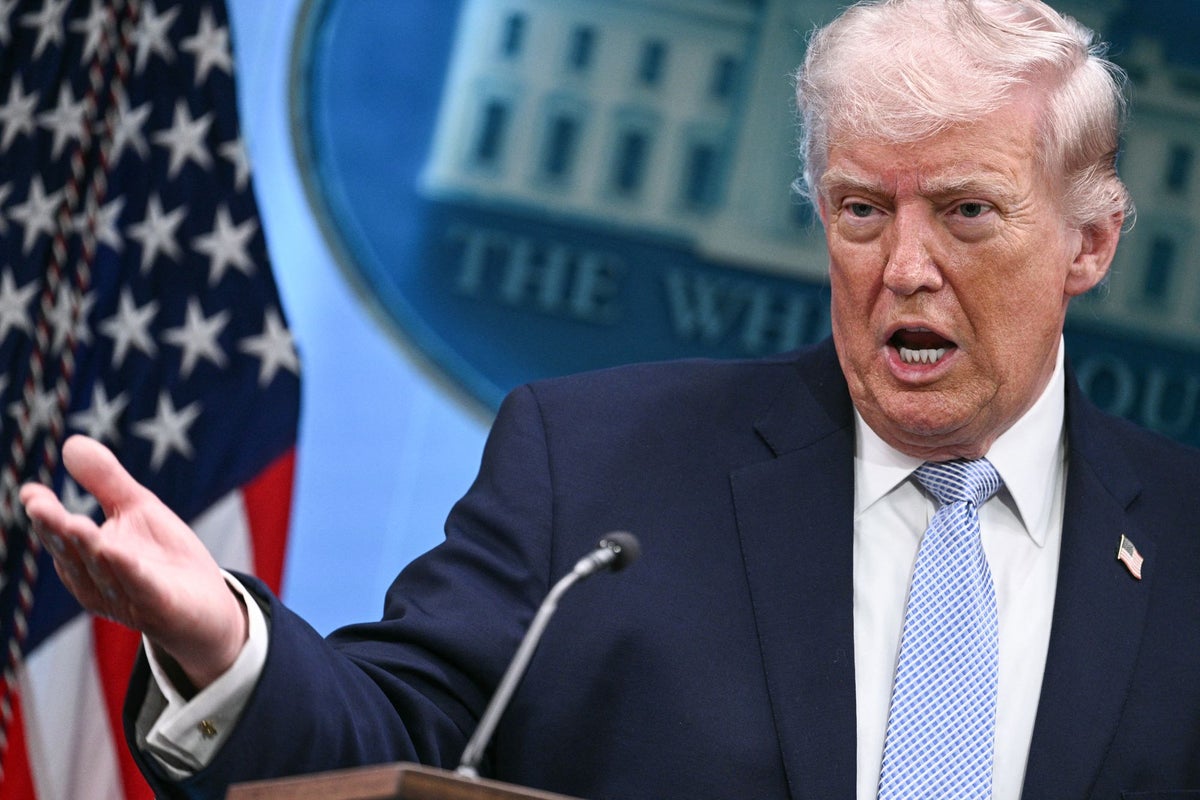
The ink isn't even dry on the U.S.-Iran ceasefire, but Donald Trump is already looking for a new fight. Just hours after backing away from a deadline that threatened to "obliterate" Iranian infrastructure, the President turned his fire on a familiar target: CNN. This isn't just the usual "fake news" jab. This time, the White House is calling for a criminal investigation into the network’s reporting on the truce.
If you’re confused about why a President would threaten a major news outlet with jail time moments after avoiding a global energy crisis, you aren’t alone. But when you look at the "victory" narrative the White House is trying to protect, the aggression starts to make a lot more sense. For another perspective, read: this related article.
The Ceasefire No One Saw Coming
For weeks, the world watched as Trump set one ultimatum after another. He told Tehran to open the Strait of Hormuz or watch its power plants turn into "burning, exploding" rubble. Oil prices hit $109 a barrel. The Pentagon was on a 38-day war footing under "Operation Epic Fury."
Then, on Tuesday night—barely two hours before his final 8 p.m. deadline—Trump blinked. Or, as he puts it, he "negotiated." Similar insight on this matter has been shared by USA Today.
The result is a two-week pause in hostilities. Iran agreed to let ships through the Strait of Hormuz again, though they’ll reportedly be charging "transit fees" to help pay for reconstruction. In exchange, the U.S. and Israel stopped the bombing runs. It’s a breather, not a peace treaty. But for the White House, it had to be framed as a total capitulation by Tehran.
Why CNN is in the Crosshairs
The drama started when CNN’s live blog ran a headline claiming Iran was actually the one in the driver's seat. The report, titled "Iran claims victory, says it forced US to accept 10-point plan," suggested that the regime hadn't surrendered at all. Instead, it claimed they’d coerced the U.S. into a lopsided deal.
Trump’s reaction was instant and nuclear. He didn't just tweet a correction; he accused CNN of using a "fraudulent" statement linked to a "fake news site from Nigeria." He took to Truth Social to claim that authorities are now looking into whether a "crime was committed" by the network.
"CNN is being ordered to immediately withdraw this Statement with full apologies for their, as usual, terrible 'reporting,'" Trump posted.
CNN isn't backing down. They’ve clarified that the statement came directly from known Iranian officials and was broadcast across Iranian state media. Essentially, CNN reported what the enemy was saying. Trump, however, views reporting the enemy's propaganda as an act of national security sabotage.
The Strategy Behind the Threats
You have to understand the optics here. Trump is under immense pressure. Operation Epic Fury has been costing the U.S. roughly $1 billion a day. His approval ratings have taken a hit as gas prices climbed and the national debt whistled past $40 trillion.
By threatening CNN, Trump does two things:
- Deflects from the "Blink": If the public is talking about a fight with the media, they aren't focusing on the fact that he extended his "final" deadline for the third time.
- Controls the Narrative: He needs the American public to believe this ceasefire is a 100% American win. Any report suggesting Iran got concessions—like the "acceptance of enrichment" phrase that supposedly appeared in the Farsi version of the deal—is a direct threat to that image.
Is This Legally Sound?
Honestly, probably not. Threatening to put journalists in jail for "national security" reasons because they reported an Iranian government statement is a massive stretch of the law. But in the 2026 political landscape, the legal reality often matters less than the political theater.
The White House Press Secretary, Karoline Leavitt, doubled down by calling the operation a "victory for the United States" that achieved its goals in just 38 days. To the administration, CNN’s reporting isn't just wrong—it’s an attempt to snatch defeat from the jaws of a PR victory.
What Happens in Two Weeks?
We’re currently in a 14-day window of "cool down." Pakistan and Turkey are acting as the primary mediators, trying to turn this fragile pause into something permanent. But the tension is still high. Within Iran, hardliners are still screaming "Death to America," and in Washington, the President is busy ordering criminal probes into newsrooms.
If you’re looking for a sign that things are returning to "normal," this isn't it. A ceasefire that begins with threats against the free press is a ceasefire built on very shaky ground.
If you want to stay ahead of the next escalation, keep a close eye on the transit fees in the Strait of Hormuz. If those fees turn into a de facto blockade, or if the U.S. "investigation" into the media intensifies, that 14-day window is going to slam shut much sooner than expected. Get your news from multiple sources—including international outlets—to see which version of the "10-point plan" is actually being implemented on the ground.