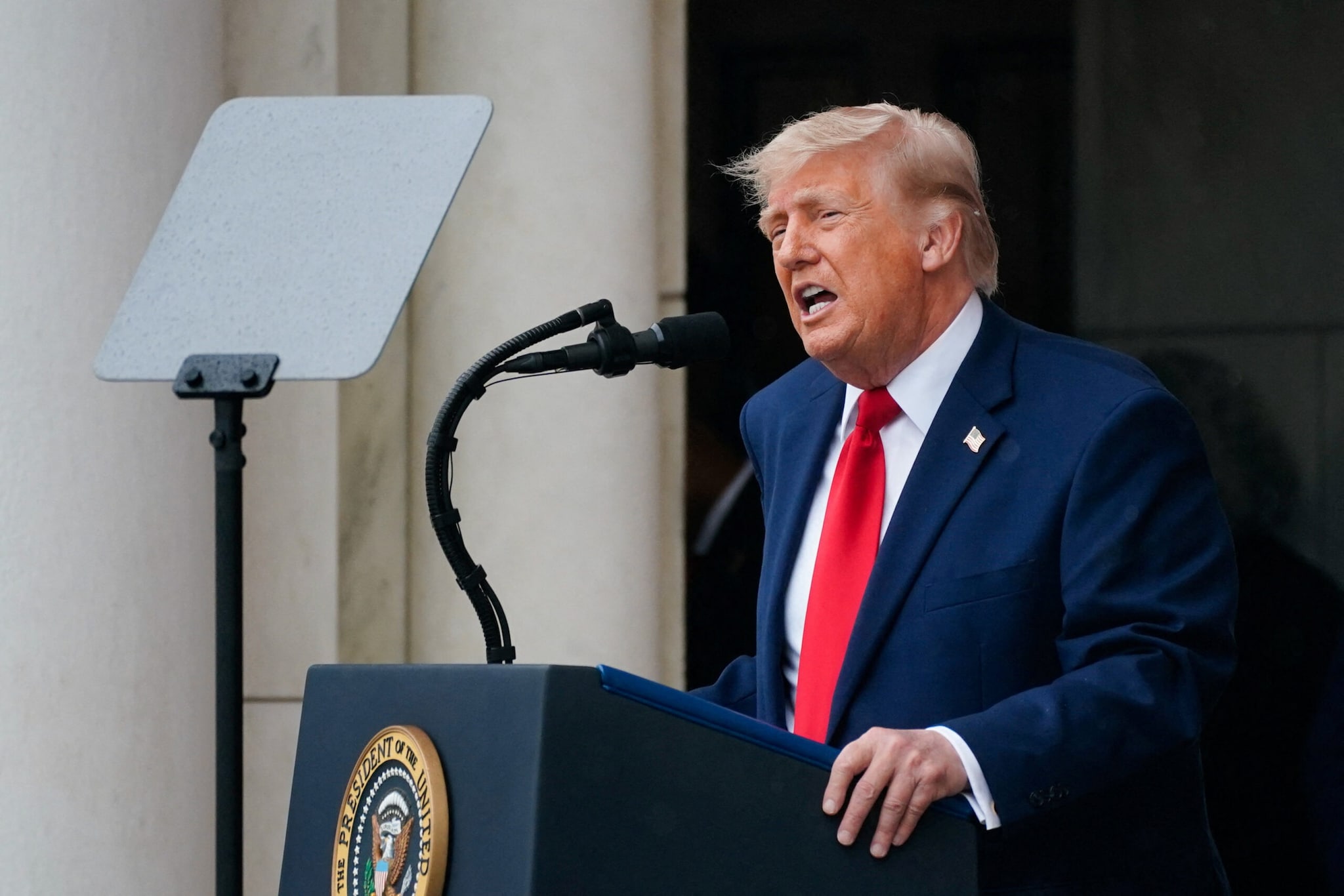
Donald Trump wants a quick exit from the conflict with Iran, but Tehran isn't signing the dotted line just yet. Despite months of overwhelming American military pressure that has battered Iran’s infrastructure, a definitive peace deal remains elusive. The reason isn't a lack of U.S. leverage, according to Trump. Instead, it comes down to old-fashioned national pride.
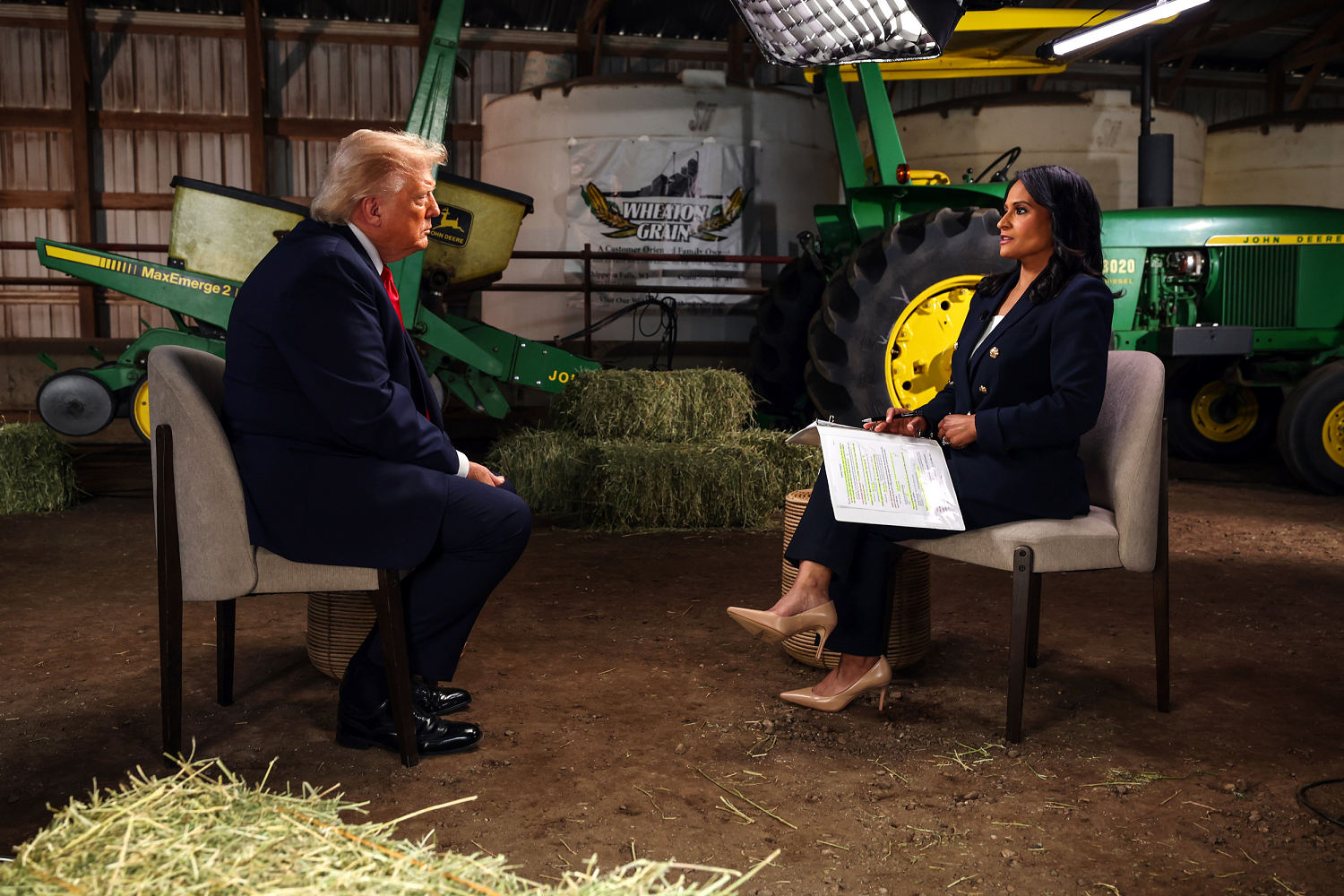
In a recent interview on NBC’s "Meet the Press" with Kristen Welker, Trump offered a surprisingly candid assessment of his adversaries. Asked why the Iranian regime hasn't accepted a deal despite his previous claims that they were essentially begging for an agreement, Trump pointed to their history and internal mindset.
"It's a very hard thing for them," Trump noted. "They’re strong, they’re proud."
He acknowledged that the terms being forced upon Tehran require concessions the regime never anticipated making. Decades of fierce geopolitical independence and a history of dealing with what Trump characterized as "weak and ineffective" past U.S. leadership have made the bitter pill of submission incredibly tough to swallow.
The holding pattern of a multi-front conflict
This rhetorical nod to Iranian pride comes at a complex moment. The war, which began with intense airstrikes under operations like Midnight Hammer and Epic Fury, has settled into a tense holding pattern. Trump insists the military campaign has achieved its core objectives, claiming the U.S. has virtually "decapitated" the regime's command structure, wiped out its navy, and crippled its air force.
Yet, complete capitulation hasn't happened. Trump revealed that Iran still holds about 21% to 22% of its missile and drone stockpile. While their manufacturing hubs and launch pads are mostly gone, that remaining fifth of their arsenal still allows them to project asymmetric power and disrupt global markets.
We saw the reality of that lingering capacity just days ago when Iranian drones hit a passenger terminal at Kuwait's main airport, killing one person and wounding dozens. Meanwhile, the crucial Strait of Hormuz remains a diplomatic and economic battleground. Trump claimed on Air Force One that "a lot" of oil is secretly moving through the strait, keeping global oil prices hovering around $97 a barrel rather than spiking to $300, but the security of those shipping lanes is far from guaranteed.
The deadlock between Washington and Tehran
While U.S. and Iranian negotiators managed to stitch together a tentative 60-day ceasefire extension to talk about the future of Iran's nuclear program, the diplomacy is completely stalled.
The perspective from Tehran doesn't match Trump's optimistic timeline. Mohsen Rezaei, a key military adviser to Iranian Supreme Leader Mojtaba Khamenei, openly told CNN that the talks are at a absolute deadlock. From Iran’s point of view, the ball is entirely in Washington's court.
Tehran is demanding a concrete sign of trust-building before they sign anything. Specifically, they want the U.S. to unfreeze billions of dollars in blocked Iranian assets. Rezaei warned that if the U.S. naval blockade continues, Iran will expand the conflict to the Indian Ocean, the Mediterranean, and the critical Bab al-Mandab Strait.
The regional proxy network further complicates Trump's push for a "piece of paper." Although Lebanon and Israel agreed to a U.S.-brokered truce, Hezbollah immediately rejected it, launching new attacks that drew rapid Israeli retaliatory airstrikes in southern Lebanon. Tehran insists that these regional hostilities must stop before any broader U.S.-Iran peace deal can move forward.
Trump's dual-track ultimatum
Trump isn't hiding his impatience. He openly compared his three-month-old campaign to the 19-year quagmire of the Vietnam War, signaling he has no intention of letting this drag on. Speaking to a group of farmers in Wisconsin, he laid out a very direct dual-track ultimatum for how this ends.
"It’s either finished with a piece of paper, or finished a more difficult way," Trump said. He then added a classic twist, suggesting that the "very tough way" might actually be the easier route for the U.S. military to execute.
For Trump, the economic stakes of stretching out this conflict are real. While he boasts that the stock market has hit record highs during the military campaign and that citizens' 401(k) accounts are thriving, his domestic base is feeling the pinch of elevated energy and fertilizer prices. His economic advisers are actively promising that gas and fertilizer costs will plummet the moment a final deal reopens regional trade routes.
The administration’s strategy relies on a mix of economic strangulation and rhetorical off-ramps. By publicly calling the Iranians "proud" and acknowledging how difficult these concessions are, Trump is attempting to give the regime a sliver of diplomatic cover to save face. He even stated he would be "honored" to meet the Supreme Leader if a deal is struck—an offer the Iranian leadership promptly dismissed.
The next move depends on who blinks first under the pressure of the ceasefire deadline. Watch the asset freeze negotiations and the status of the shipping blockades closely. If the U.S. refuses to release the frozen funds, expect Iran to leverage its remaining 22% missile capacity through asymmetric proxy strikes to force a compromise, testing Trump's willingness to pivot back to the "tough way."