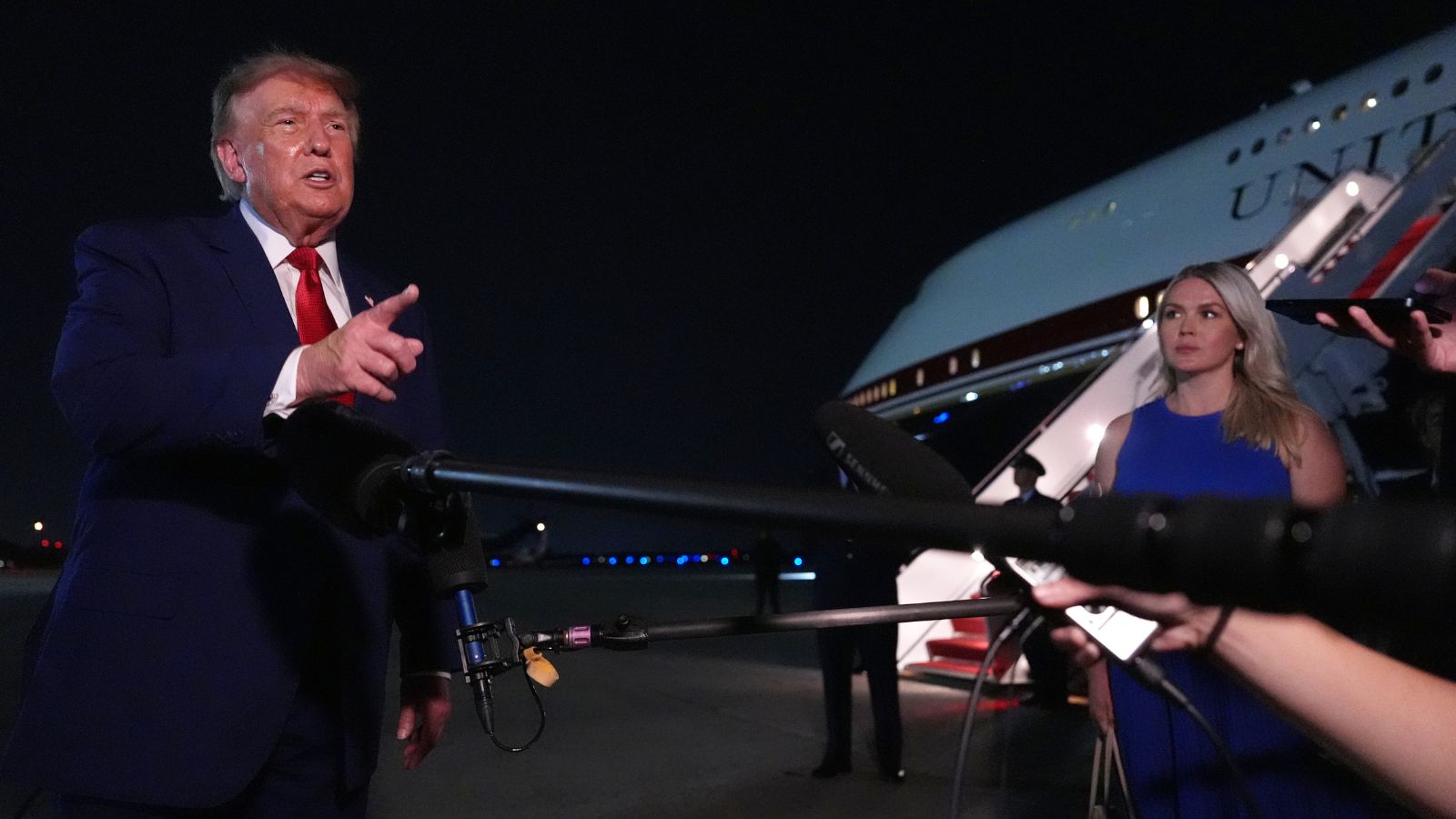
When journalists boarded the legacy presidential aircraft in Ankara last month, they thought they were tracking history. They had no idea they were actually serving as human decoys.
President Donald Trump didn't fly home on the plane everyone expected after the NATO summit. While the press corps settled into their seats, ordered to keep their window shades firmly shut, Trump was slipping through a side door into a hydraulic airport catering truck. He was whisked across the tarmac to an Air Force C-32A military transport, leaving dozens of reporters and select staff behind on an aircraft that intelligence officials feared was targeted.
The fallout from this covert mid-journey swap has exposed a raw nerve in Washington. Reporters aren't just annoyed. They feel played.
The Anatomy of a Decoy Flight
The operation began taking shape after U.S. and Turkish intelligence flagged a potential threat from Iran, including concerns over a possible surface-to-air missile. Rather than canceling the flight or informing the traveling press, the Secret Service and military leadership opted for classic misdirection.
Trump initially made a public show of boarding the older presidential jet for "old time's sake". Cameras clicked. Reporters took notes. Minutes later, the president vanished into the belly of an elevated catering vehicle.
Secret Service agents and a select few aides—including Defense Secretary Pete Hegseth—accompanied Trump into the truck, dropping him off at the alternative aircraft while the original plane remained parked on the tarmac with its high-profile cargo intact. Secretary of State Marco Rubio and Treasury Secretary Scott Bessent were reportedly read into the secret, knowing the president wasn't on board. The journalists, however, were kept completely in the dark.
Why the Press Feels Deceived
The core grievance isn't that the White House protected the commander-in-chief. Presidents face constant threats, and security protocols routinely involve deception. The anger stems from being turned into unwitting pawns without a choice.
Journalists travel into war zones and high-risk areas regularly. They accept occupational hazards. But they do so with open eyes. By keeping the press pool on the legacy jet while moving the president to a different aircraft, the administration effectively turned reporters into a floating decoy. If a hostile actor targeted the primary plane assuming Trump was inside, the people on board would have taken the blow.
As bureau chiefs and press freedom advocates pointed out immediately after the story broke, transparency vanished. Richard W. Stevenson of the New York Times called it an alarming precedent that exposed staff and reporters to unacknowledged danger.
The White House Defense
Trump hasn't backed down from the decision. When questioned about the operation, he defended the tactical shift by pointing the finger back at the risk matrix. He claimed that the plane he actually boarded was under greater threat, arguing that adversaries would naturally target the vessel they suspected he was using.
Defenders of the administration argue that operational security always trumps press convenience. In high-stakes national security scenarios involving active foreign threats, sharing flight plans or warning dozens of civilian reporters introduces leaks that can get people killed.
Yet, critics note a middle ground existed. Past administrations have used secrecy to safeguard leaders, but the total refusal to clear the air once the flight landed in the United Kingdom left a lasting mark on press relations. Lawmakers on Capitol Hill have since demanded formal briefings, questioning the risk assessment that left unprotected citizens flying an allegedly compromised route while the target flew elsewhere.
Trust between an administration and its press pool takes years to build and seconds to obliterate. When reporters realize their window shades were ordered shut not for routine diplomatic protocol, but to hide a shell game, the baseline of institutional trust fractures. Next time Air Force One leaves a foreign tarmac, the journalists on board won't just be watching the president. They'll be watching the catering trucks.
Trump's Air Force One 'decoy' deception | ABC News Daily podcast
This video provides a detailed daily podcast breakdown of the intelligence reports and the logistical steps behind the secret Air Force One plane swap in Turkey.
http://googleusercontent.com/youtube_content/1


