Donald Trump isn't just sending a message to Tehran anymore. He’s sinking their fleet. On Sunday, the President confirmed that U.S. forces have already destroyed nine Iranian naval ships and "largely destroyed" the country's naval headquarters. It's a massive escalation in what’s being called Operation Epic Fury, a campaign that looks less like a series of "warning shots" and more like a systematic dismantling of Iran’s ability to project power at sea.
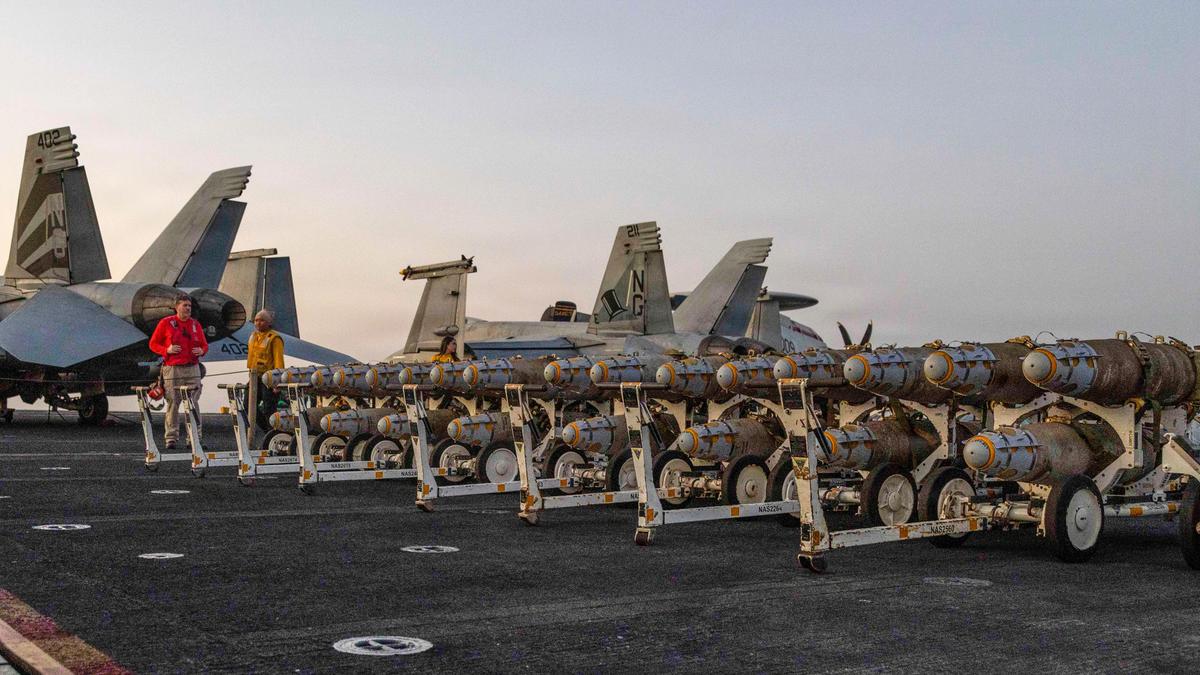
You might think this is just more typical rhetoric, but the numbers coming out of CENTCOM tell a different story. We’re seeing a high-intensity conflict where the U.S. is using everything from B-2 stealth bombers to carrier-based Super Hornets to hit over 1,000 targets in just the first 48 hours.
The end of the Iranian surface fleet
The backbone of Iran’s navy, particularly their Jamaran-class corvettes, is being hunted. These ships are the pride of their domestic industry, but they’re proving to be sitting ducks against American precision. One Jamaran-class vessel was caught at a pier in Chah Bahar and sent to the bottom of the Gulf of Oman early Sunday.
Trump’s social media posts haven't been subtle. He’s literally telling Iranian sailors to "abandon ship" and "lay down your weapons." It’s an aggressive stance that basically says: if it floats and flies an Iranian flag, it’s a target. For a navy that relies heavily on fast-attack boats and a handful of larger frigates to harass tankers in the Strait of Hormuz, losing nine major vessels in two days is a death blow to their operational capacity.
Casualties are mounting on both sides
We have to be honest here: this isn't a bloodless victory. While the U.S. military is reporting massive wins, we’ve also seen the first American boots on the ground—or rather, boots in the theater—not coming home. Three U.S. service members were killed in action on Sunday, with five others seriously wounded.
This brings a somber reality to the "four-week" timeline Trump mentioned in recent interviews. He’s betting that a month of sustained, overwhelming force will force the regime to its knees. But as we’ve seen in the Middle East before, "quick" wars have a habit of dragging on.
What happened to the IRGC leadership
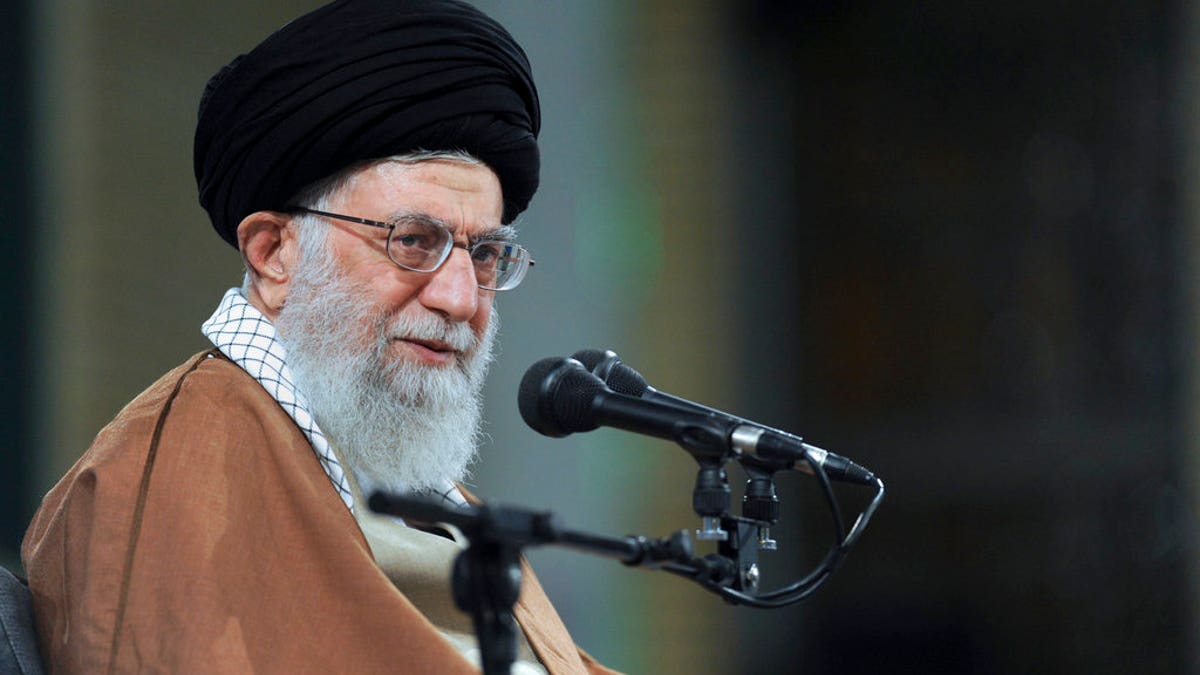
It’s not just ships. Reports indicate that the joint U.S.-Israeli strikes have targeted the very top of the Iranian food chain. Over 48 senior officials are reportedly dead, including—most significantly—Supreme Leader Ayatollah Ali Khamenei. If these reports hold, the Iranian navy isn't just losing its ships; it's lost the brain center that tells those ships where to go.
The battle for the Strait of Hormuz
Why does this matter to you? Because 20% of the world’s oil flows through the waters where these ships are currently sinking. If the Iranian navy decides to go out in a blaze of glory by mining the Strait or using their remaining "suicide" drone boats against commercial tankers, gas prices at your local pump are going to skyrocket.
So far, the IRGC has claimed they hit the USS Abraham Lincoln with ballistic missiles. CENTCOM called that a flat-out lie. They say the Lincoln is perfectly fine and still launching sorties. But the mere fact that Iran is trying to swing back shows they aren't totally paralyzed yet.
What to watch for next
If you’re trying to make sense of where this goes, don't look at the diplomatic cables—look at the deployment maps. The U.S. has two carrier strike groups (the Lincoln and the Gerald R. Ford) in the region. That’s an insane amount of firepower.
Keep an eye on these three things over the next 72 hours:
- The "Rest" of the Navy: Trump vowed to go after the remaining Iranian ships. If we see reports of the Bandar Abbas naval base being leveled, the Iranian navy essentially ceases to exist as a functional force.
- Oil Market Reaction: If the Strait remains "contested" rather than "cleared," expect market volatility.
- The New Leadership: Trump mentioned that "new" Iranian leaders are already looking to talk. Whether that's true or just psychological warfare remains to be seen.
The era of "strategic patience" with Iran is officially over. We’re in a period of active, high-stakes kinetic warfare, and the goal seems to be nothing less than the total neutralization of Iran's maritime threat. If you have interests in global shipping or energy, now is the time to hedge your bets and prepare for a very loud month in the Middle East.