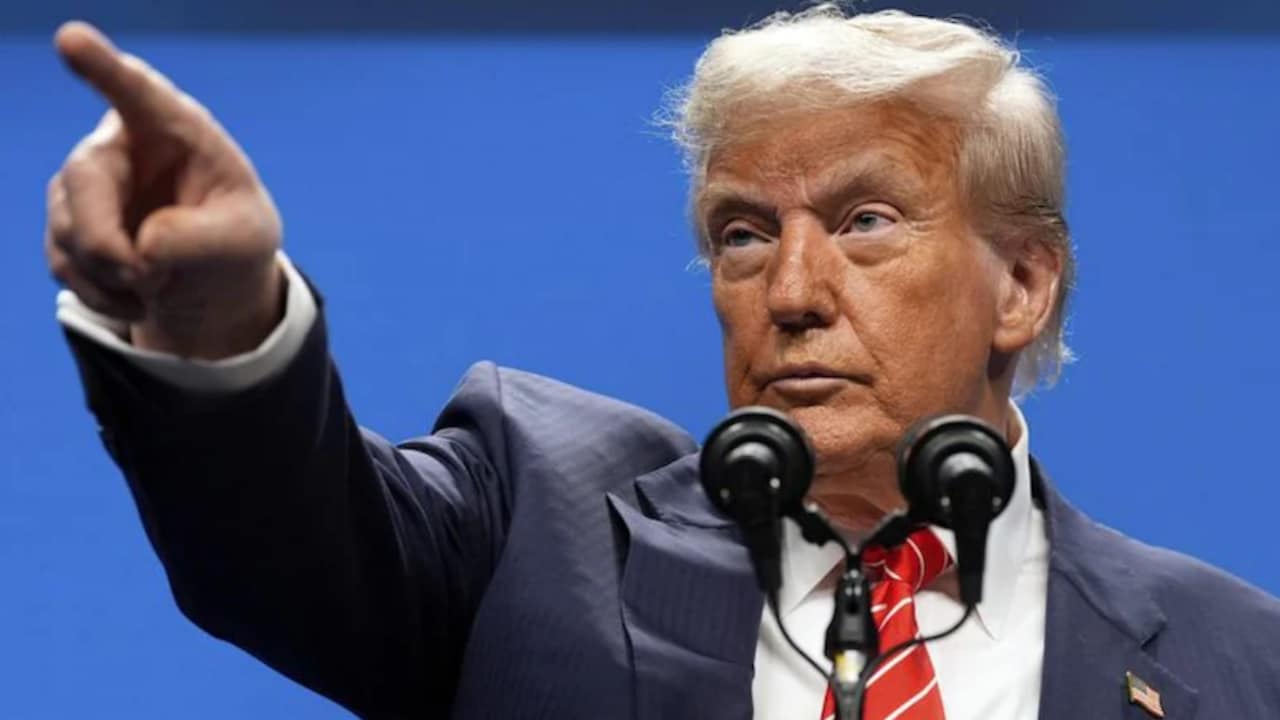
The political press is having a collective meltdown over President Trump’s decision to freeze the confirmation hearing of Jay Clayton, his own nominee for Director of National Intelligence. They are calling it a "display of dysfunction." They are claiming he "pulled the rug out" from under his own party. They are weeping over the temporary lapse of the Foreign Intelligence Surveillance Act (FISA) Section 702.
They are missing the entire point.
What the mainstream media misinterprets as chaotic governing is actually a cold, calculated exercise in structural leverage. I have spent years analyzing how institutional power dynamics operate when the cameras are off. The lazy consensus assumes a president's primary goal is to smoothly fill vacant seats and rubber-stamp legacy intelligence programs. It isn't. The real objective is maximizing executive authority over a hostile legislative branch.
By freezing Clayton’s confirmation from the G7 summit in France, Trump did not create chaos. He engineered a multi-front hostage situation where he holds all the cards.
The Illusion of the Unqualified Acting Director
The core of the media's outrage centers on Bill Pulte, the current housing official keeping the seat warm as acting DNI. The conventional narrative screams that Pulte is unqualified because he lacks a traditional national security pedigree. Senator John Thune demanded "professionals," while Senator Mark Warner wept that foreign governments are "terrified."
This pearl-clutching betrays a fundamental ignorance of how Washington actually works.
The intelligence community is an entrenched bureaucracy that historically resists executive oversight. Placing a traditional "spook" or a career institutionalist into the DNI role guarantees the status quo. By maintaining Pulte—a loyalist who has explicitly targeted administrative overreach in his housing tenure—the administration signals to Langley that the era of comfortable autonomy is over.
Pulte is not a bug; he is a feature. He is the ultimate compliance mechanism.
Dismantling the FISA Panic
Let's address the underlying panic: the expiration of FISA Section 702. The defense establishment talks about this surveillance tool as if its lapse will instantly blind the nation.
"National security officials across both major political parties have for years described Section 702 as vital..."
If it were truly an existential emergency for the security state, Congress would have clean-routed a reauthorization weeks ago. Instead, both parties used it as a playground for domestic political posturing.
Trump recognized that the intelligence apparatus wants Section 702 renewed far more than he needs it signed. By explicitly tying its revival to the SAVE America Act—which mandates voter ID and proof of citizenship—he flipped a boring bureaucratic renewal into a high-stakes legislative pivot.
Imagine a corporate scenario where a CEO refuses to sign off on a critical departmental budget until the board approves a sweeping compliance overhaul. The board would call it reckless; shareholders would call it necessary transformation. This is no different.
The Southern District Strategy
The media completely overlooked the tactical knot Trump tied regarding the U.S. Attorney’s Office for the Southern District of New York (SDNY). Trump explicitly stated he will not advance Clayton until Jamie McDonald is approved to replace him at SDNY.
The Two-Front Personnel Board
| Current Position | Nominated Position | The Leverage Point |
|---|---|---|
| Jay Clayton (SDNY U.S. Attorney) | Director of National Intelligence | Cannot move until SDNY vacancy is filled by a loyalist. |
| Jamie McDonald (Nominee) | SDNY U.S. Attorney | Must be fast-tracked by the Senate to unlock the DNI spot. |
This is chess, not checkers. SDNY is arguably the most powerful federal prosecutor's office in the country, frequently handling cases that intersect with Wall Street, corporate power, and political corruption. Trump is refusing to vacate a critical enforcement post without a guaranteed, pre-approved successor. Leaving Clayton at SDNY while Pulte runs the DNI ensures the administration maintains maximum friction against its institutional opponents on both flanks.
The Flawed Premise of "Bipartisan Progress"
The common question being tossed around Washington corridors today is: How can the administration function if it breaks deals with Congress?
The premise of the question is broken. It assumes that "deals" with a divided Congress are made in good faith. According to the administration, Republicans agreed to move away from Pulte in exchange for a clean FISA vote, only for Democrats to signal they would vote against it anyway.
When your negotiating partners move the goalposts, you burn the field.
The unconventionally effective move here is refusing to play the respectability politics that legacy politicians love. Senator Tom Cotton tried to force the issue by threatening to hold the Clayton hearing anyway. The result? He had to publicly backtrack and postpone it when the nominee, acting on executive orders, simply didn't show up. It was a stark reminder of where the actual power resides.
The downside to this high-friction strategy is obvious: it burns bridges with establishment Republicans like Thune and Cotton who prefer predictable order. It alienates international allies who crave stability in American intelligence sharing. But for an administration openly committed to disrupting the federal bureaucracy, those aren't downsides—they are proof of concept.
Stop looking at the DNI delay as a breakdown in governance. It is a calculated consolidation of executive power designed to force Congress to swallow election security reform or watch their favorite surveillance tools rot on the vine.