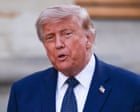
Donald Trump thought he could bomb Tehran into absolute submission. He entered this conflict believing a quick four-to-six-week air campaign would crush Iran’s ballistic missile industry, eradicate its naval capability, and shatter its regional proxy networks forever. Some inside the administration even whispered about engineering a swift collapse of the Islamic Republic itself.
They were dead wrong. In other news, we also covered: The Real Reason Washington Erased India From Its Pacific Command Name.
Instead of a victory lap, Washington just signed a 14-point Memorandum of Understanding (MOU) that basically functions as a strategic retreat. The war became completely untenable because the White House fundamentally miscalculated how an adversary refines asymmetric warfare over forty years. You don't win a modern war by ignoring global economic realities, and Trump just learned that lesson the hard way.
The Illusion of Absolute Leverage
The administration’s initial military objectives sounded grand on television. Air superiority was achieved almost instantly by U.S. and Israeli forces, and officials bragged that up to 90% of Iran's missile production infrastructure was reduced to rubble. Trump himself told reporters that the enemy’s drone factories and launching pads were mostly decimated. BBC News has analyzed this critical issue in great detail.
But structural destruction doesn't equal political compliance.
Despite losing massive pieces of its conventional defense industrial base, Iran retained the one thing that mattered most: the geographical ability to choke the global economy. By mining and harassing the Strait of Hormuz, Tehran triggered an immediate spike in global shipping costs, insurance rates, and energy prices. When American consumers started feeling severe economic pain at the gas pump, the administration’s maximalist goals evaporated. Trump had to choose between folding on his demands or triggering a massive global depression. He chose to fold.
What the New Deal Actually Gives Away
The text of the MOU reveals just how much leverage Washington threw away to secure this ceasefire. For years, Trump slammed the 2015 Obama-era nuclear deal, mocking the idea of returning frozen funds to Tehran. Yet under this new framework, the concessions look far more dramatic.
- Immediate Oil Sanctions Waivers: Iran gets immediate sanctions relief for its oil sales, alongside banking and transportation waivers, the moment the document is finalized.
- Returning Frozen Assets: The administration conceded it will have to return billions of dollars in frozen Iranian assets currently sitting in foreign accounts, including $8 billion held in Qatar.
- The Reconstruction Investment Loophole: The deal includes a projected $300 billion post-war investment fund. While Vice President JD Vance pitches this as an incentive framework financed by Gulf states for commercial investment, critics rightly see it as a disguised reconstruction package that helps Iran rebuild its state infrastructure.
Worst of all is the silence on ballistic missiles. The MOU features zero written restrictions on Iran's long-range missile program, and it completely ignores the regional activities of groups like Hezbollah. While Iran promised to stop its current nuclear enrichment and destroy its highly enriched stockpiles, it retains the blueprint, the knowledge, and now the freshly unlocked capital to start over whenever it wants.
A Massive Friction Point With Allies
The political fallout from this text is breaking out across Washington and Europe. Hardline conservatives are furious. Outgoing Republican Senator Bill Cassidy called the agreement the worst foreign policy blunder in decades, claiming that even Ronald Reagan would be rolling over in his grave.
Our international partners aren't happy either. European allies were completely excluded from the initial decision to go to war, yet their economies bore the brunt of the maritime chaos in the Gulf. Now, French President Emmanuel Macron is publicly criticizing the deal for failing to address regional drone threats and ballistic development. By freezing out the United Kingdom, France, and Germany during the secret negotiations in Islamabad, the White House deeply damaged what remained of Western diplomatic cohesion.
The Next Critical Steps for Regional Stability
The 60-day clock is ticking. This MOU isn't a permanent treaty; it’s a fragile pause. If you want to see if this deal holds or collapses back into active regional combat, watch these three specific milestones over the next few weeks.
First, watch the Strait of Hormuz traffic volume. The deal requires Iran to restore commercial shipping to pre-war levels within 30 days. However, Tehran is already threatening to impose "maritime service fees" on ships transiting the strait after 60 days. If the U.S. allows Iran to turn an international waterway into a toll booth run by the Islamic Revolutionary Guard Corps, global shipping stability is toast.
Second, track the verified removal of the enriched uranium stockpile. Iran agreed to downblend its existing material to civilian levels. International Atomic Energy Agency inspectors must get immediate, unhindered access to verify this destruction. Any delay or blocking of inspectors by Tehran means they're playing for time while banking the early oil sanctions relief.
Finally, keep an eye on Lebanon. Iran’s diplomatic team claims the permanent ceasefire depends entirely on an Israeli withdrawal from southern Lebanon. Trump claims his personal relationship with Israeli leadership will keep them aligned, but if military operations spark up again in Beirut or northern Israel, the entire US-Iran agreement will shatter before the 60-day window even closes.