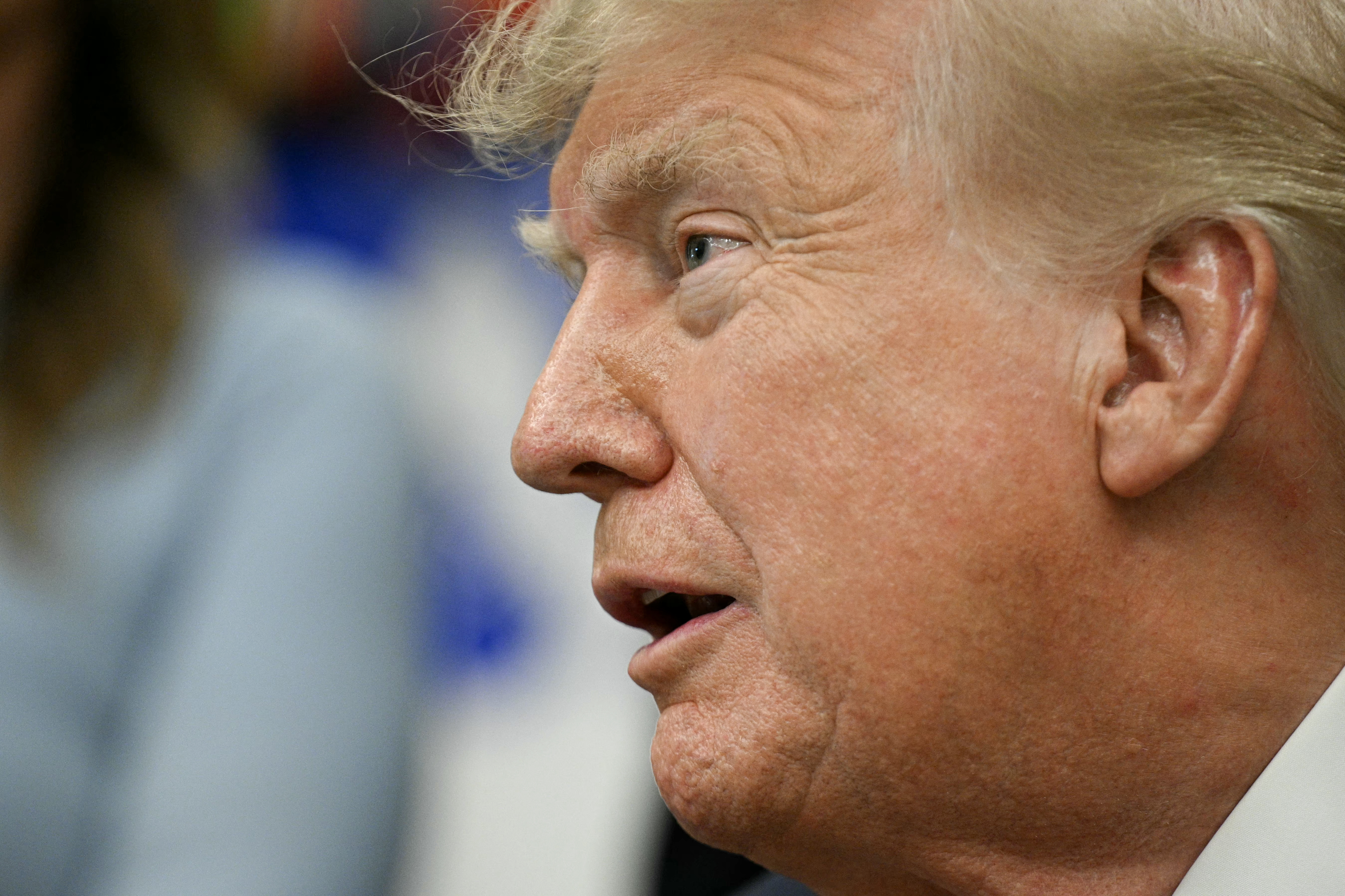
Domestic political turbulence rarely stays contained in Washington. When things get rough on Capitol Hill, leaders historically look toward global stages to reframe the narrative. Donald Trump’s frequent trips to the United Nations General Assembly follow this exact playbook. You step away from domestic fights, head to New York, and let the cameras of the world capture you projecting power.
The Strategy Behind the Global Stage
Every administration faces bruising news cycles, legislative roadblocks, or polling dips. For Trump, the antidote has often been an address at Turtle Bay. The mechanics are simple. When domestic critics dominate the headlines, you trade local newsrooms for a global audience of heads of state.
The podium at the General Assembly guarantees attention. It shifts the spotlight away from congressional friction and onto executive foreign policy. Whether he is criticizing international bodies, touting bilateral deals, or outlining security postures, the goal remains identical: project total command.
What Critics Miss About International Posturing
Political analysts often misread these speeches as mere performance. They miss the tactical utility. When world leaders gather in New York, the real leverage happens away from the assembly hall. Private bilateral meetings, closed-door negotiations, and direct warnings to adversaries carry far more weight than any teleprompter address.
Trump has consistently used these gatherings to bypass traditional diplomatic channels, speaking directly to domestic and international constituencies alike. While foreign diplomats wring their hands over blunt rhetoric, his base responds to the display of unfiltered nationalism. It creates a dual-track benefit. You feed domestic enthusiasm while keeping foreign counterparts off balance.
Navigating Hard Diplomatic Realities
Of course, grandstanding doesn't solve structural gridlock. The United Nations Security Council frequently struggles to reach consensus on major conflicts, and global institutions rarely bend entirely to American will. Friction is inevitable.
Yet, treating these appearances as a distraction misses how modern political survival works. In high-stakes politics, perception often dictates reality. If you can dominate the microphone, control the news cycle for forty-eight hours, and pivot back to domestic priorities on your own terms, the rough week back home starts to look like ancient history.