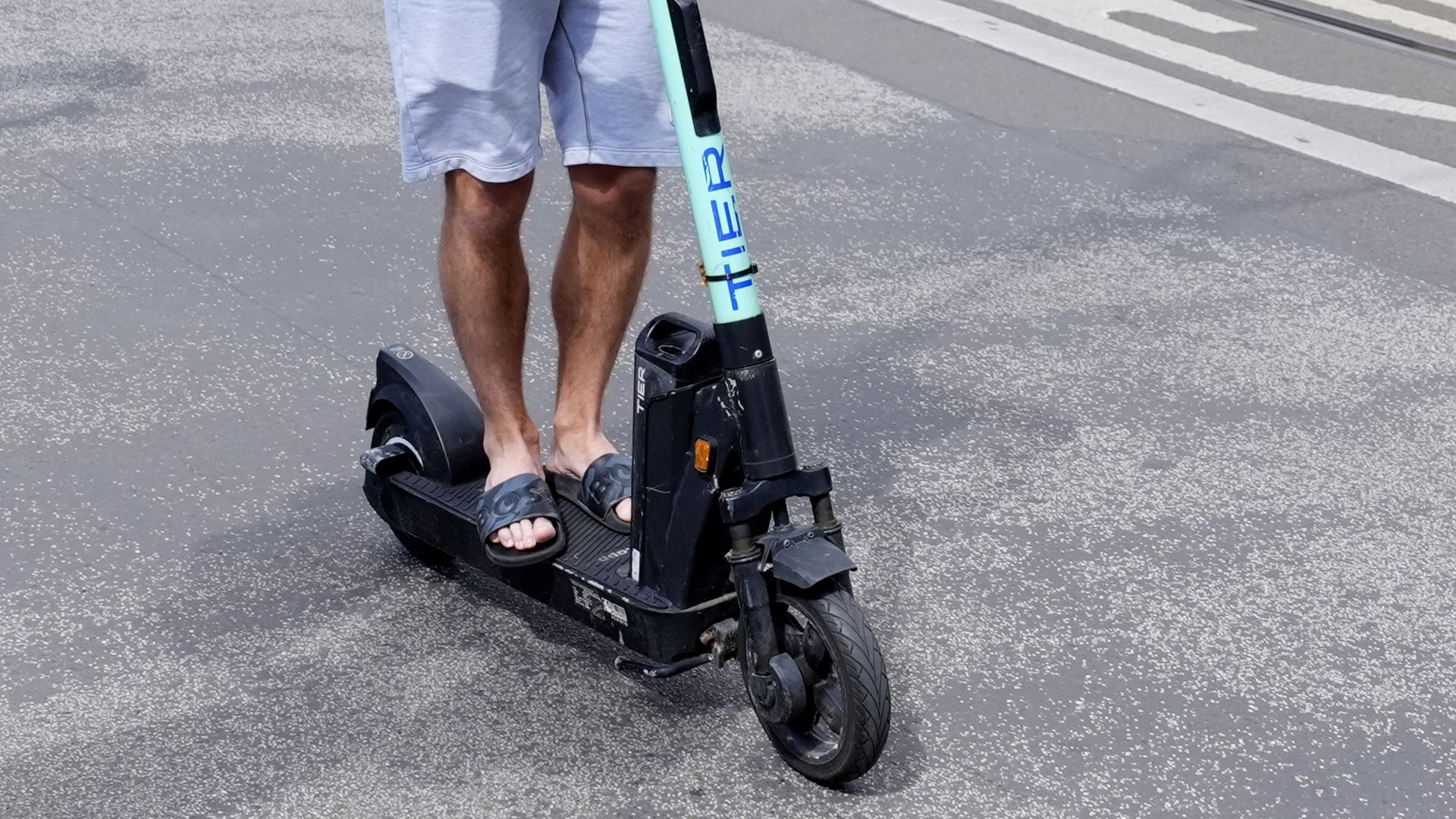
Emergency departments globally are experiencing a compounding operational strain driven by the unregulated proliferation of light electric vehicles and off-road motorbikes. Medical boards report that trauma presentations involving electric scooters, e-bikes, and scrambler motorcycles have expanded past linear growth into an aggressive trajectory. This surge represents more than a localized public health anomaly; it exposes a structural failure where technological velocity has outpaced mechanical safety standards, legislative oversight, and healthcare capacity planning.
The Kinematics of Micro Mobility Trauma
The operational physics of light electric transport diverge sharply from traditional non-motorized bicycles or walking. Traditional pedal-driven devices rely on the biological limits of human output, capping average speeds and ensuring that riders possess an intuitive, physical understanding of momentum transfer. In contrast, modern electric scooters and scramblers deliver instantaneous torque, high top speeds (often ranging from 25 to 50 kilometers per hour), and high mass relative to the rider, particularly in pediatric cohorts.
When an unmitigated collision or unprovoked loss of control occurs at 30 kilometers per hour, the energy dissipation is transferred directly to the human skeletal and neurological structures. Clinical data from pediatric trauma units demonstrate distinct injury patterns based on the vehicle type:
- Electric Scooters: Characterized by small wheel diameters and high centers of gravity, scooters exhibit extreme sensitivity to surface anomalies such as potholes, debris, or lip transitions on pavement. Riders predominantly experience unprovoked forward ejections. The absence of structural protection results in a high incidence of maxillofacial trauma, broken jaws, orbital fractures, and closed-head injuries.
- E-Bikes: Featuring higher mass and greater velocity potential, e-bikes generate higher kinetic energy states during impact. Data indicates that while scooters account for higher overall presentation volumes, e-bike crashes correlate with a substantially higher rate of surgical intervention, complex orthopedic fractures, and inpatient admissions.
- Scrambler Motorcycles: Operating effectively as lightweight, unregistered off-road dirt bikes in urban or suburban environments, scramblers introduce combustion or high-voltage electric motor speeds exceeding 60 kilometers per hour. Because these devices are operated primarily by adolescents or young adults without formal vehicular training, the resulting trauma profiles mimic high-speed motorcycle accidents, requiring prolonged intensive care unit stays and extensive reconstructive rehabilitation.
The Systemic Burden on Acute Care Infrastructure
The downstream effect of micro-mobility trauma is an acute bottleneck within hospital emergency departments and trauma bays. Healthcare systems operate on tight capacity thresholds where bed availability, surgical suite scheduling, and staffing are optimized for baseline community health metrics. The influx of high-acuity micro-mobility injuries disrupts this balance through specific operational mechanisms:
- Prolonged Length of Stay: Severe polytrauma cases involving intracranial hemorrhage, complex pelvic fractures, or spinal trauma require extended inpatient bed allocation. Compared to routine medical admissions, trauma cases consume disproportionate nursing hours and specialized surgical resources.
- Surgical Backlogs: Orthopedic and neurosurgical teams must frequently displace elective procedures to accommodate emergency interventions for severe fractures and cranial decompression. This creates cascading delays across the broader surgical ecosystem.
- Resource Intensification: The requirement for rapid diagnostic imaging, including multi-slice computed tomography scans for head and spinal assessments, places heavy depreciation pressure on high-value hospital capital equipment.
The economic cost extends beyond immediate acute care. The combination of operative interventions, inpatient rehabilitation, and long-term outpatient therapy generates an escalating cost function that is absorbed publicly through healthcare systems or private insurance pools, with negligible internal cost recovery from the manufacturers or operators of these devices.
The Enforcement and Compliance Gap
Legislative frameworks governing micro-mobility have historically lagged behind consumer adoption. While municipal and national codes frequently establish clear age floors (such as restricting e-scooter usage to individuals over 16 or 18) and ban the operation of unlicensed scramblers in public pedestrian spaces, these laws suffer from an enforcement deficit.
A law without systematic enforcement functions merely as a suggestion. The market dynamics governing these products rely on consumer accessibility; online retail channels and brick-and-mortar storefronts routinely sell high-speed electric devices directly to underage consumers without age verification or mandatory safety equipment bundling. Furthermore, public safety campaigns routinely fail because they target the end-user rather than the point of acquisition. When parents purchase high-torque vehicles for children who lack spatial awareness, motor control, or formal instruction in rules of the road, they act as uncertified fleet managers introducing dangerous machinery into an unmanaged public environment.
Strategic Resource Allocation for Municipalities
Mitigating the trauma surge requires moving past passive public service announcements toward a structural intervention model based on three operational layers:
- Point-of-Sale Verification: Shifting regulatory compliance upstream by mandating point-of-sale age verification and mandatory concurrent purchase of certified full-face helmets for any electric vehicle capable of exceeding 20 kilometers per hour.
- Infrastructure Auditing: Municipalities must re-evaluate urban surface infrastructure. Pavement lip tolerances, utility cover flushness, and bike-lane separation barriers that are forgiving at 15 kilometers per hour on a traditional bicycle become critical failure points for small-wheeled electric scooters.
- Dedicated Trauma Registry Tracking: Emergency medical systems must standardize diagnostic coding for micro-mobility incidents, separating e-bikes, e-scooters, and off-road scramblers into distinct tracking categories. Precise data granularity is the sole mechanism capable of justifying targeted municipal infrastructure spending and legislative enforcement sweeps.
Prioritize the implementation of supply-chain and point-of-sale restrictions over downstream clinical appeals. Curbing the trajectory of micro-mobility injuries requires interrupting the acquisition cycle before high-energy machinery reaches operators unequipped to manage its kinetic potential.