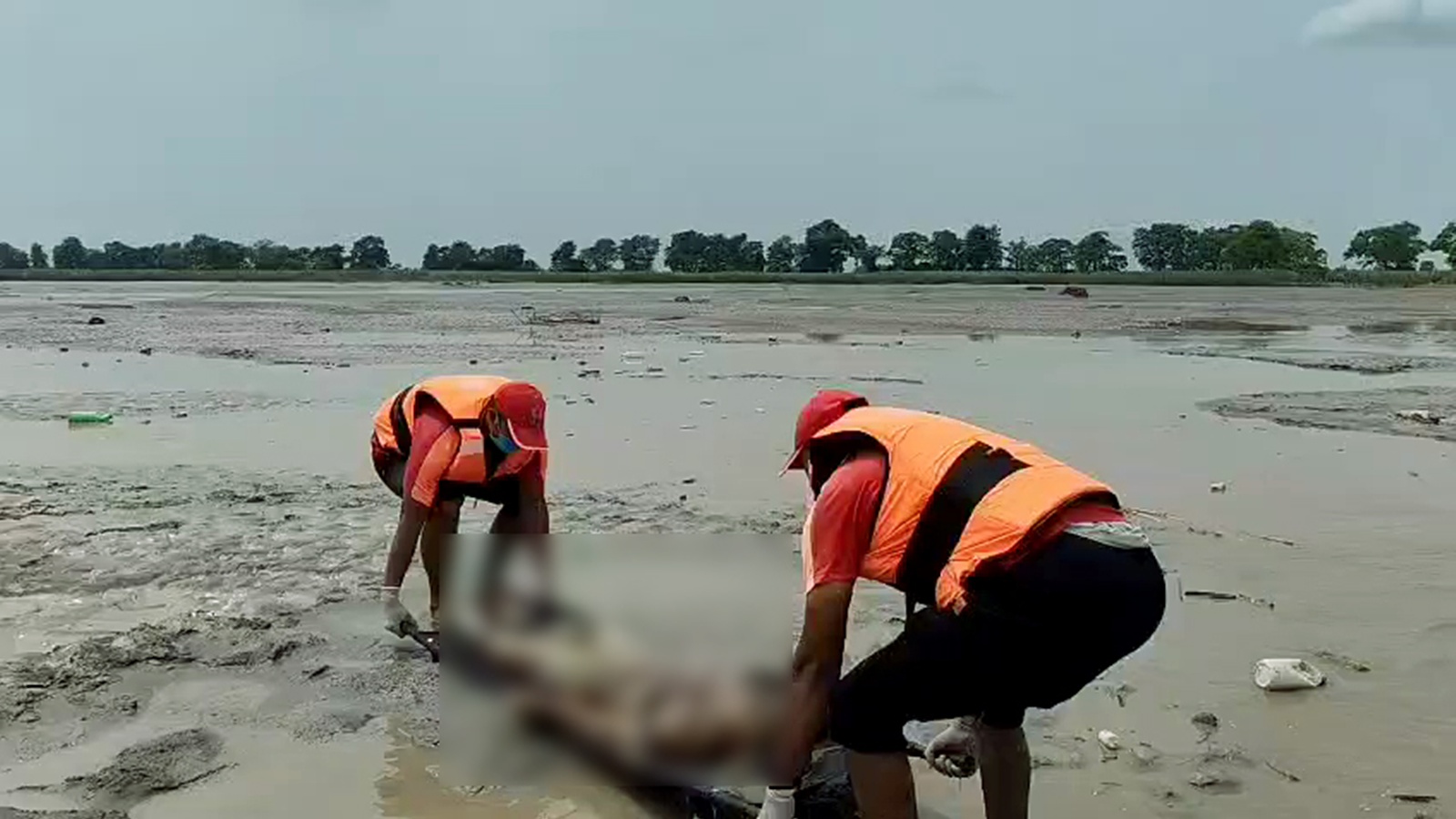
Another holiday tragedy on a Greek island trail leaves families shattered and search teams exhausted. When a 55-year-old British tourist vanished after heading out for a daytime hike, it triggered a massive emergency response that ultimately ended in heartbreak. Search and rescue crews found the missing man's body in a remote ravine after days of combing rugged terrain.
These headlines appear far too often during peak travel season. Thousands of tourists flock to the Mediterranean every year, underestimating the sheer hostility of coastal paths and mountain tracks. Heat exhaustion, sudden terrain changes, and poor preparation turn a scenic holiday walk into a fatal trap.
The Dangerous Illusion of Casual Holiday Hiking
People pack flip-flops, light sneakers, and a single plastic water bottle for trails that demand proper boots, electrolyte replacements, and tactical gear. Mediterranean islands look small and inviting on tourist maps. You can see the sea from almost anywhere, giving a false sense of security.
That visibility breeds carelessness. Walkers assume they can always see the coastline, so getting lost feels impossible. But dry riverbeds, steep limestone cliffs, and sudden brush changes disorient even experienced hikers. When temperatures soar past forty degrees Celsius during summer months, dehydration and heatstroke hit fast. Your body shuts down before you realize you're in trouble.
Local authorities constantly warn visitors about trail safety. Few listen. They treat rugged Greek mountain paths like walking through a city park.
Why Traditional Search Operations Struggle
Finding a missing person across thousands of acres of sparse, rocky terrain resembles hunting for a microscopic needle in a vast, jagged haystack. Search operations rely on a mix of local police, volunteer firefighters, trained sniffer dogs, and drones. Yet, time works against everyone involved.
Cell phone tracking helps, but patchy coverage across remote gorges leaves rescue coordinators guessing. A hiker drops their phone, or the battery dies, and tracking vanishes instantly. Helicopters can only do so much when thick brush or deep ravines obscure the ground.
Rescuers often search for days under scorching sun, navigating paths that require technical climbing skills just to reach the search zone. By the time ground teams spot bright clothing down a steep slope, survival windows have usually closed.
What You Must Do Differently on Your Next Trip
Stop relying on luck and casual assumptions when you travel abroad. Smart hikers take basic precautions that keep them alive when things go sideways.
Always share your exact route with someone before you leave your hotel. Tell the front desk or a family member where you are heading and when you plan to return. Do not deviate from that path on a whim.
Download offline topographical maps. Cell service will fail you right when you need it most. Apps like Gaia GPS or Maps.with.me work without a data connection and show precise elevation changes.
Pack a proper emergency kit. Bring a power bank for your phone, a physical whistle, a high-visibility blanket, and twice as much water as you think you need. If you feel tired or overheated, turn back immediately. The mountain will still be there tomorrow, but you might not be.
Treat every unfamiliar trail with absolute respect. The wilderness doesn't care if you're on holiday.