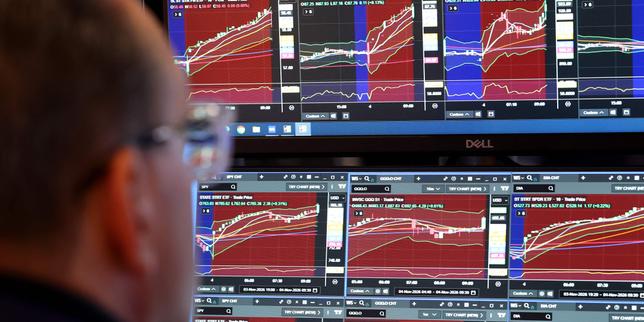
Oil just broke beneath the psychological $100 floor, dragging both Brent and West Texas Intermediate (WTI) to their lowest levels in over two months right after the midterm elections. If you're watching financial news right now, you're probably seeing a dozen talking heads claim this drop is purely a knee-jerk political reaction.
They're missing the real story.
While midterm election results certainly shook up short-term trader sentiment, politics rarely dictates the physical barrel market for long. Crude oil crashing below $100 isn't just an election-week fluke. It's the collision of post-election policy expectations, softening global demand signals, and aggressive technical selling that had been building under the surface for weeks.
Why Crude Oil Really Dropped Below $100 After the Midterms
Markets hate uncertainty, and midterm elections always inject a heavy dose of it into energy policy. Before voters hit the polls, plenty of institutional desks priced in geopolitical risk premiums. Traders worried about shifting regulatory stances, potential changes to Strategic Petroleum Reserve releases, and fresh debates over domestic drilling permits.
Once the ballots were cast and the political dust started settling, that fear premium evaporated almost overnight.
The Political Risk Premium Vanished
Think of political risk in the oil market like an insurance policy you buy before a hurricane. Once the storm passes—or turns out weaker than the forecast—nobody wants to hold expensive insurance anymore. When midterm results pointed toward gridlock or a more predictable regulatory path, hedge funds dumped their long crude positions at breakneck speed.
That initial wave of selling pushed WTI and Brent right through key support zones. Algorithms took over from there. When automated trading systems see $100 give way on high volume, they don't pause to read political punditry—they execute sell orders.
Demand Fears Were Already Brewing
Blaming the entire drop on the midterms ignores what physical oil traders have been whispering about for months. Refinery margins have been tightening across major consuming hubs, and macroeconomic data from major industrial economies hasn't exactly screamed "booming energy demand."
Central banks keeping interest rates elevated has quietly put the brakes on manufacturing and freight activity. You don't see that impact in a single afternoon, of course. Instead, it builds up slowly until a catalyst—like a major election—gives the market an excuse to reprice everything at once.
Brent vs WTI What the Spread Tells Us Right Now
If you want to understand where oil is actually heading next, stop staring solely at the headline WTI price. Watch the spread between Brent crude and West Texas Intermediate.
Brent serves as the global seaborne benchmark, heavily influenced by OPEC+ production quotas, European refining demand, and Middle Eastern transit routes. WTI reflects landlocked North American supply, pipeline bottlenecks around Cushing, Oklahoma, and U.S. export capacity.
When both benchmarks tumble to over two-month lows simultaneously, it tells you the weakness isn't localized. A purely American political event would normally batter WTI much harder than Brent, widening the spread between the two. Seeing Brent sink right alongside WTI proves that global macro concerns and broad speculative liquidation are doing the heavy lifting.
Honestly, traders who ignore the Brent-WTI spread during a sell-off are flying blind. If Brent starts stabilizing while WTI keeps sliding, you know the pressure is domestic. Right now, both are nursing heavy bruises, which points straight to a worldwide reassessment of fourth-quarter and early-year demand.
What Most Retail Traders Get Wrong About the $100 Mark
There's nothing magical about $100 a barrel from a geological or refining standpoint. A barrel of light sweet crude doesn't suddenly change its chemical properties at $99.50.
Yet human psychology turns round numbers into massive battlegrounds.
Mistaking Psychological Support for Fundamental Value
When crude hovers above $100, financial media treats it like an unstoppable inflation monster. The moment it dips to $98 or $96, those same outlets declare victory over high gas prices. Both takes are dead wrong.
For institutional desks, $100 is simply where massive clusters of options contracts, stop-loss orders, and corporate hedging programs sit. Airlines, trucking fleets, and chemical manufacturers often wait for dips below triple digits to lock in fuel costs for upcoming quarters. Meanwhile, oil producers use rallies above $100 to hedge future production.
When price slices through $100 on the way down, it triggers a cascade of stop-losses from late-to-the-party bulls. That creates a vacuum where prices fall faster than fundamentals justify.
Expecting Instant Relief at the Gas Pump
If you're celebrating sub-$100 crude because you think your commute gets cheaper tomorrow morning, slow down. Retail gasoline and diesel prices follow crude oil up like a rocket and drift down like a feather.
Refiners still have to process existing inventories bought at higher prices. Regional supply constraints, seasonal maintenance turnarounds, and state fuel taxes all buffer retail pump prices from sudden drops in futures contracts. It typically takes two to three weeks of sustained lower crude prices before gas stations meaningfully slash their numbers.
How OPEC+ and U.S. Shale Producers React to Sub-$100 Oil
Lower oil prices might thrill consumers and central bankers, but they trigger immediate headaches in Riyadh, Vienna, and Midland, Texas.
OPEC+ Budget Math Gets Tight
Many OPEC+ member nations build their national budgets around high triple-digit oil prices to fund domestic spending and infrastructure projects. When Brent slides into the nineties and hits two-month lows, the cartel starts getting nervous.
Historically, sharp drops below psychological thresholds prompt verbal intervention first. You'll start hearing energy ministers talk about "market stability," "speculative disconnects," and their readiness to adjust output if needed. If verbal warnings don't put a floor under Brent, actual production cut discussions quickly move back onto the table before their next scheduled meeting.
U.S. Shale Stays Disciplined
Years ago, U.S. shale drillers would pump relentlessly regardless of price drops, chasing production growth at the expense of shareholder returns. Those days are over.
Today's publicly traded shale operators answer to Wall Street investors who demand dividends, share buybacks, and clean balance sheets. Even at $90 or $95 a barrel, most Permian Basin wells remain wildly profitable, so drillers won't shut down rigs overnight. However, a drop below $100 reinforces their refusal to aggressively ramp up new capital expenditure. Without a surge in U.S. supply growth, any severe price crash eventually sows the seeds for its own recovery.
Practical Moves to Make When Oil Breaks Key Support
Watching volatile commodity swings from the sidelines is stressful, especially when headlines scream about crashes and political fallout. Whether you're managing an equity portfolio, trading energy futures, or simply budgeting for business fuel expenses, reactive panic is your worst enemy.
Stop trying to catch a falling knife on the exact day crude breaks $100. Let the post-election volume settle and wait for at least two consecutive daily closes to see if buyers step back in around previous two-month support levels.
If you hold energy stocks, separate the integrated majors and pipeline operators from high-debt exploration companies. Integrated giants and midstream infrastructure firms generate steady cash flow even when crude trades in the eighties or nineties, whereas heavily leveraged small-cap drillers take a beating when commodity prices retreat.
Keep a close eye on weekly inventory reports from the U.S. Energy Information Administration (EIA). If crude prices are falling while commercial inventories are shrinking, you're looking at a sentiment-driven sell-off that could snap back violently. If prices are falling while stockpiles are swelling, the bears are firmly in control—and sub-$100 oil is here to stay for a while.