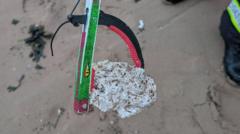
The sight of a waxy, yellow-white lump washing up on the tide line might seem innocuous, even like a harmless piece of sea-weathered plastic or paraffin wax. For the thousands of dog owners frequenting our coastlines, however, this substance represents a recurring, lethal threat. Recent reports of suspected palm oil deposits emerging on Egremont beach are not an isolated anomaly. They are a symptom of a systemic maritime practice that continues to jeopardize public safety and animal health across the United Kingdom.
If you are walking your dog on the beach, you must treat any mysterious, pungent, waxy debris as an immediate hazard. The substance, often described as having the aroma of rotten fish or diesel, acts as a magnet for curious pets. Ingestion can trigger severe gastrointestinal distress, life-threatening pancreatic inflammation, and significant intestinal obstructions. While the oil itself is a common vegetable product, the danger is amplified by the environment it travels through before reaching our sands.
To understand why our beaches become dumping grounds for this material, one must look at international shipping regulations. Current maritime law permits vessels to discharge palm oil residue into the sea during tank cleaning operations, provided they maintain a distance of at least 12 nautical miles from land and remain in sufficiently deep water. In theory, this distance is meant to ensure that waste dissipates harmlessly into the ocean. In practice, the reality is far messier.
Once discharged, the oil cools and solidifies into the very lumps now causing alarm on our shores. These deposits do not exist in a sterile vacuum. As they drift through international shipping lanes, they absorb hazardous pollutants, including petroleum residues and various industrial toxins. By the time these solidified chunks reach the shoreline, they are no longer just food-grade fats. They are contaminated sponges carrying a cocktail of chemical byproducts that exacerbate the health risks to any animal bold enough to ingest them.
The danger is not theoretical. Veterinary records from across the country document dogs requiring urgent intervention after consuming these deposits. The symptoms often begin with acute vomiting and persistent diarrhea, which can rapidly spiral into severe dehydration. In more extreme cases, the fatty nature of the material triggers pancreatitis, an agonizing inflammation that can necessitate intensive, long-term medical care. The most distressing cases involve physical blockages in the digestive tract, which sometimes demand surgical intervention and, in the most tragic outcomes, have resulted in the loss of pets.
The industry response to these incidents has historically leaned on the language of inevitability. Shipping companies argue that they operate within the framework of global regulations, a defense that offers cold comfort to a grieving owner. While some of these discharges are accidental—often the result of cargo spills from shipwrecks or collisions—a significant portion is simply the byproduct of standard operational cleaning.
Local authorities frequently find themselves on the front lines of this cycle, scrambling to post warning signs and deploy cleaning crews after the fact. It is a reactive posture. Because these materials wash up with the tides, often unpredictably, local councils can rarely do more than warn the public and clear debris as it is reported. There is no infrastructure for early warning beyond vigilant observation by beachgoers and volunteer groups.
If you suspect your dog has consumed a waxy substance on the beach, speed is your only ally. Do not wait for symptoms to manifest. Veterinary experts advise seeking professional care within thirty minutes of ingestion. By the time a dog begins to exhibit lethargy or significant distress, the material may have already begun to wreak havoc on their internal organs. There is no specific antidote for palm oil consumption, meaning the primary course of treatment is supportive care—intravenous fluids to address dehydration and medication to stabilize the digestive tract.
The cycle of contamination is unlikely to be broken by a single policy shift. Until international maritime standards reflect the reality of how these substances behave once they are discarded, our coastlines will remain vulnerable. The responsibility, therefore, shifts to the individual.
When you head to the coast, remain alert to the state of the high-tide mark. If the sand is peppered with unusual yellow, white, or cream-colored lumps, keep your dog on a short lead. If you find such a substance, report the location to your local environmental health department immediately, but do not attempt to collect or dispose of it yourself without proper protective equipment. The sea often returns what we choose to discard, and in the case of our beaches, that return is a hazard we ignore at our own peril.