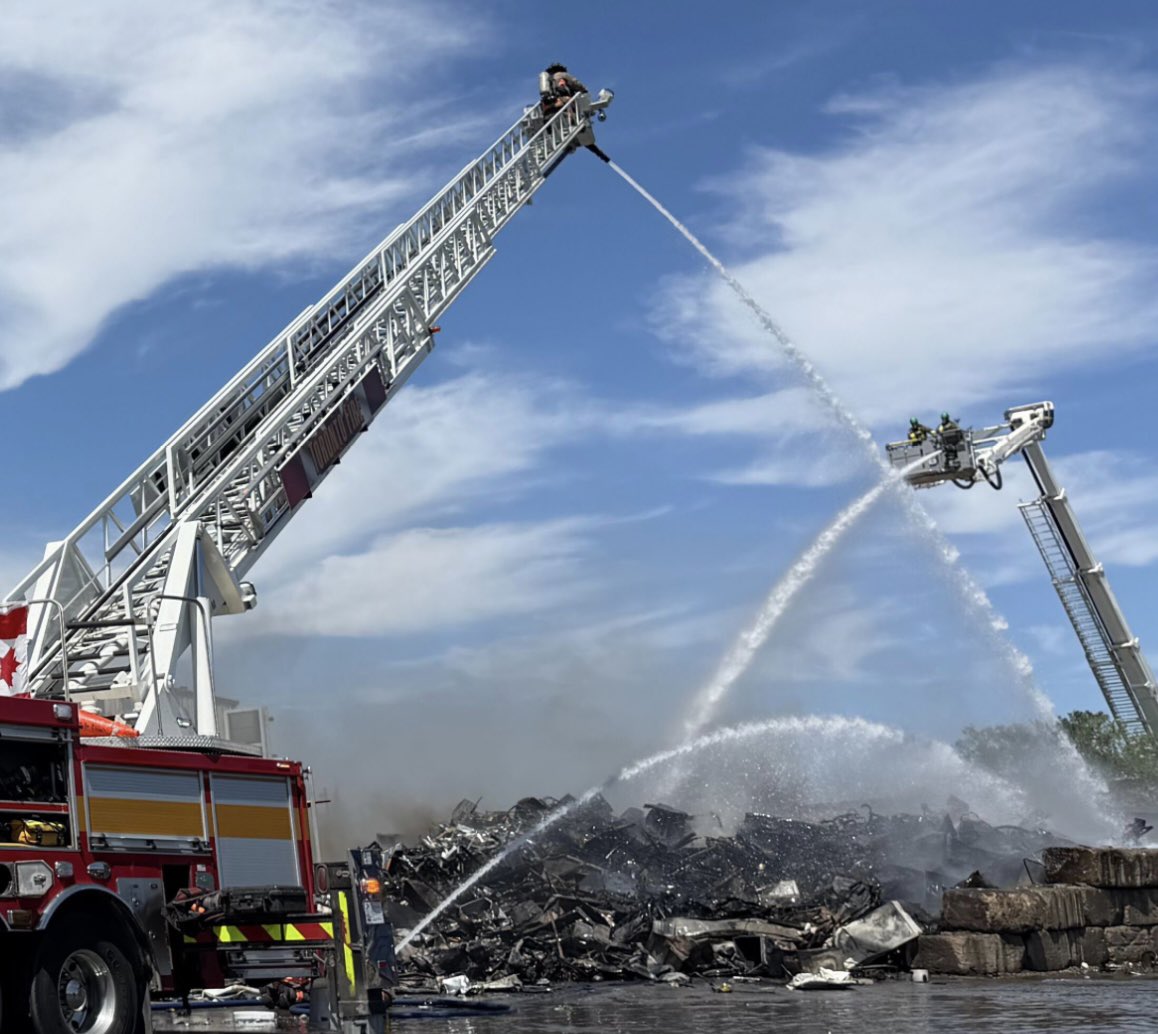
Toronto is facing a silent, burning crisis on its streets and inside its high-rises. Lithium-ion batteries are failing at an alarming rate, turning everyday micromobility devices into ticking time bombs. Toronto Fire Services recently responded to yet another severe blaze triggered by an e-bike battery pack, prompting Fire Chief Matthew Pegg to issue an urgent public warning. This isn't an isolated incident. It's part of a dangerous, escalating trend that threatens infrastructure and lives.
The reality is stark. E-bikes, e-scooters, and hoverboards have transformed urban transport, offering cheap, efficient ways to get around the city. But the technology powering this revolution carries a hidden cost. When a lithium-ion battery fails, it doesn't just smoke or spark. It explodes. The resulting thermal runaway produces intense, toxic fires that are incredibly difficult to extinguish. Toronto's firefighting teams are finding themselves on the front lines of a new kind of chemical warfare, battling blazes that can consume a room in seconds. Meanwhile, you can read related stories here: The Anatomy of Senegalese Sovereign Distress: Debt Metrics, Subsidy Bottlenecks, and the Fallacy of Technocratic Stabilization.
The Chemistry of Thermal Runaway
To understand why these fires are so destructive, you have to understand what happens inside the casing. Lithium-ion batteries pack a massive amount of energy into a tiny space. They rely on volatile liquid electrolytes to move ions between the anode and cathode. If the battery is damaged, overcharged, or exposed to extreme temperatures, an internal short circuit can occur.
This short circuit generates heat. The heat damages neighboring cells, causing them to fail and release even more heat. This self-sustaining, unstoppable loop is called thermal runaway. To see the full picture, check out the detailed report by The New York Times.
During thermal runaway, the battery temperature can skyrocket to over 600°C in moments. The electrolyte boils, building pressure until the battery casing bursts open. This releases a toxic, flammable cloud of gases, including carbon monoxide, hydrogen cyanide, and hydrofluoric acid. If an ignition source is present, the gas cloud ignites instantly, creating a jet-flame effect that quickly spreads to surrounding furniture, walls, and structures.
Standard fire extinguishers won't cut it here. Water can cool the exterior, but it struggles to penetrate the sealed battery pack to stop the internal chemical reaction. Firefighters often have to submerge the entire device in water for hours, sometimes days, to guarantee the reaction has completely stopped.
Cheap Imports and Aftermarket Modifications Drive the Risk
The spike in Toronto fires isn't usually caused by high-end, factory-certified electric vehicles. The real danger lies in the unregulated, gray market of cheap imports and DIY modifications.
Many gig workers, food delivery riders, and budget-conscious commuters rely on affordable e-bikes to make a living. To save money, people frequently buy uncertified batteries online or turn to unauthorized repair shops for cheap fixes. Some even modify their battery packs or use mismatched chargers to get more speed or longer range out of their rides.
This is a recipe for disaster. Certified batteries undergo rigorous safety testing. They feature sophisticated Battery Management Systems (BMS) that monitor cell voltage and temperature, automatically shutting down the power if something goes wrong. Cheap, uncertified packs often lack these critical safety features. They use low-quality cells, flimsy insulation, and poorly designed circuitry that can fail under the stress of daily use, vibration, and Canadian weather extremes.
How to Protect Your Home and Your Life
You don't need to banish electric rideables entirely, but you do need to change how you handle them. Treating an e-bike battery like a standard smartphone battery is a critical mistake. The sheer volume of energy stored in a micromobility battery requires a completely different level of respect and caution.
First, check the label. Only purchase and use devices, battery packs, and chargers that are certified by a recognized national testing laboratory, such as Underwriters Laboratories (UL) or the Canadian Standards Association (CSA). If a replacement battery seems suspiciously cheap, stay away. It's cheap for a reason.
Second, think about where you charge. Never charge an e-bike or e-scooter in a hallway, near an exit, or directly behind a door. If the battery catches fire, it will instantly block your escape route, trapping you inside. Charge the device on a hard, non-flammable surface away from carpets, beds, and curtains. Avoid overnight charging while you're asleep. You need to be awake and alert to react if the battery begins to hiss, swell, or smell unusual.
Third, inspect the hardware regularly. Look for physical damage, dents, cracks, or leaking fluid. If you drop your e-bike or crash it, get the battery inspected by a professional before plugging it back in. Internal damage isn't always visible from the outside, but it can easily trigger a short circuit during the next charging cycle.
Landlords and Cities Forced to Redraw the Rules
The rising frequency of these incidents is forcing a massive shift in how multi-unit residential buildings operate. Landlords, property managers, and condo boards across Toronto are actively rewriting their bylaws to manage the risk. Some buildings have implemented outright bans on bringing e-bikes and e-scooters inside apartments, common areas, or elevators.
While these bans protect residents from potential fires, they create a major headache for delivery workers and commuters who have nowhere safe to store or charge their vehicles. Municipalities are beginning to realize that heavy-handed bans aren't a sustainable long-term solution. Instead, cities need to invest in public, outdoor charging infrastructure and secure storage lockers equipped with specialized fire suppression systems.
Education campaigns are stepping up, but regulation needs to catch up fast. Stronger enforcement against the sale of uncertified lithium-ion batteries and illegal modification services is essential to stop these hazardous products from entering the market in the first place.
Immediate Emergency Steps During a Battery Fire
If you see a lithium-ion battery swelling, emitting smoke, or making a strange popping sound, you have seconds to act. Do not try to move the device if it's already actively burning. The risk of sudden explosion and toxic inhalation is far too high.
Get everyone out of the room immediately. Close the door behind you to help contain the smoke and flames, leave the building, and call 911 right away. Warn your neighbors on the way out.
If the battery is just starting to overheat, feel hot to the touch, or swell without smoking, carefully unplug the charger if it's safe to do so. Move the device away from flammable materials, ideally outdoors to a concrete surface, and monitor it closely from a safe distance. Never throw an overheating battery into a regular trash can or recycling bin, as this can easily ignite a massive fire inside a garbage truck or waste facility. Take damaged batteries to a designated hazardous waste drop-off location instead. Stay safe, stay alert, and don't cut corners on battery quality.