The coffee in the captain is always lukewarm by the time the tanker enters the bottleneck. Outside the bridge windows, the water turns a deep, bruised shade of blue, squeezed between jagged cliffs that look like teeth rising out of the Persian Gulf. This is the Strait of Hormuz. A narrow throat of water where a fifth of the planet's oil breathes its way out to the wider ocean.
For decades, mariners treated this corridor as a high-stakes highway. You keep your transponder on. You watch the radar. You pray the geopolitical weather holds. But geography is destiny, and paperwork has a way of catching up to steel.
Consider a hypothetical master mariner named Elena, steering a two-hundred-meter crude carrier laden with millions of barrels of energy. She is accustomed to charts, weather routing, and fuel calculations. What she is less accustomed to is the quiet shift in the legislative chambers thousands of miles away in Tehran, where the rules of the road are being rewritten in real time.
The Iranian parliamentary National Security and Foreign Policy Commission recently approved Article 3 of the Strategic Action for Securing and Advancing the Strait of Hormuz bill. In plain terms, the legislation establishes a formal framework requiring vessels from authorized countries to pay service fees for transiting the vital waterway.
To understand why this matters, look past the dry wording of maritime logistics. The fees are not merely administrative ticket stubs. They cover a sprawling umbrella of provisions: navigation support, environmental monitoring, emergency safety services, and conditional fuel or insurance provisions. Payment structures have been designed with flexible financial terms, accepting Iranian Rials or alternative currencies designated by Tehran.
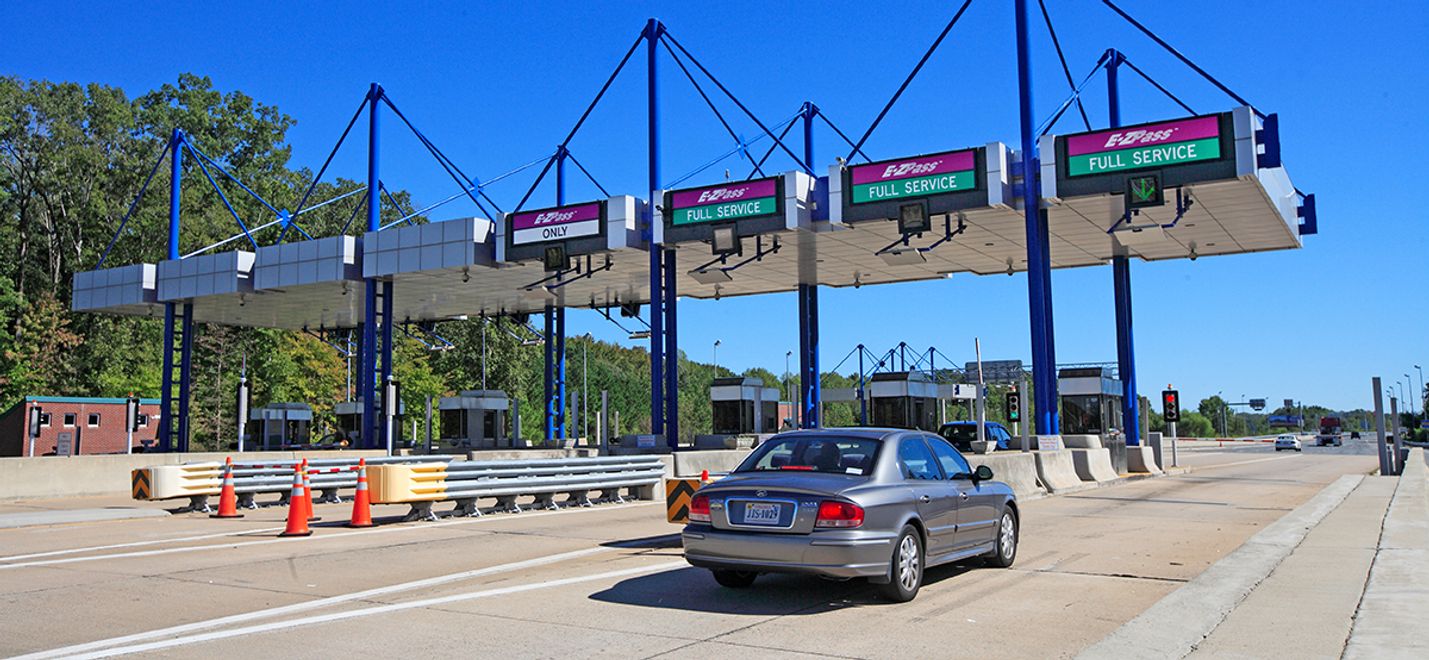
Think of it as a toll booth installed at the most volatile intersection on Earth.
The announcement arrives against a backdrop of deep friction. While international energy markets twitch at every diplomatic dispatch, and officials trade warnings over blockades and open lanes, the physical reality on the water grows increasingly complex. For shipowners and energy traders, compliance is no longer just about avoiding stray radar locks or navigating standard marine hazards. It is about calculating the exact cost of permission.
When Elena steers her vessel toward the narrowest part of the channel, she isn't just thinking about maritime traffic separation schemes anymore. She is part of a grander, friction-heavy chess match where every mile of water carries a ledger. The chokepoint has a pulse, and that pulse now demands a receipt.
The water narrows further. The radar screen blinks. Out here, at the edge of the Gulf, the old maps are fading, and the new costs are just beginning to sink in.