There are rooms in this world where history is not made with a hammer, but with a whisper.
Picture a heavy mahogany table, polished to a dull mirror sheen. Outside the floor-to-ceiling glass, a harbor churns with container ships and ferries cutting through gray-green water, churning up white froth against a skyline that touches the clouds. Inside, the air is conditioned, sterile, smelling faintly of old paper and expensive tea. Two men sit across from each other. One built an empire on digital commerce, forging a vast web of algorithms and consumer desire out of a modest apartment in Hangzhou. The other inherited a city at the exact moment its flag changed, stepping onto a moving train with no brakes, tasked with steering a financial metropolis through the chaotic wakes of sovereignty and global economic collapse.
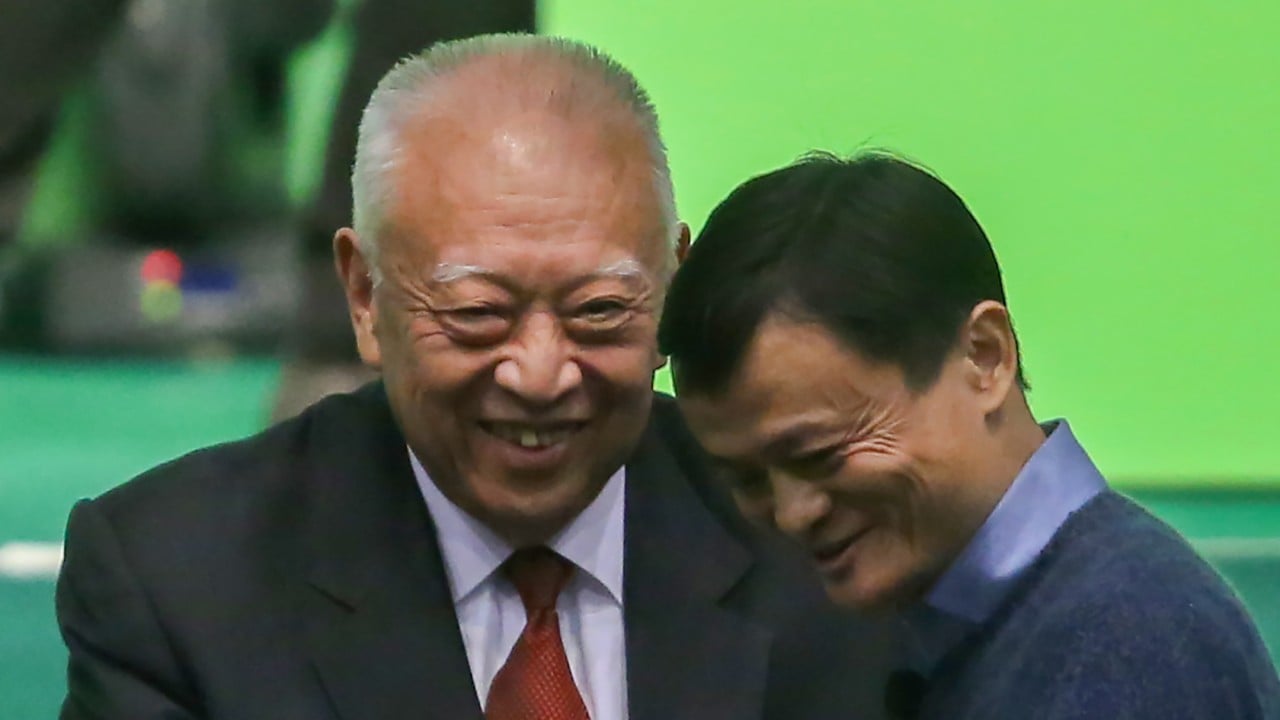
When Jack Ma reached out to pay tribute to Tung Chee-hwa, he did not offer the standard, plastic platitudes traded by corporate PR departments. He chose a sentence that felt heavy with ancient gravity. In hard times, your honour shines.
It is a striking phrase. It strips away the sheen of wealth, the roaring valuations of technology stocks, the applause of shareholders, and the intoxicating adrenaline of disruption. It drags us back to something far older and far scarer: character when the roof is caving in.
To understand why this matters, you have to look past the headlines and step back into the terrifying, exhilarating blur of 1997.
Imagine waking up one morning and realizing the entire architecture of your world has been rewritten overnight. For decades, Hong Kong had operated under a predictable gravitational pull. British flags fluttered in the humidity; common law provided a comforting certainty; shipping magnates and colonial bureaucrats danced an intricate, well-rehearsed minuet. Then came the handover.
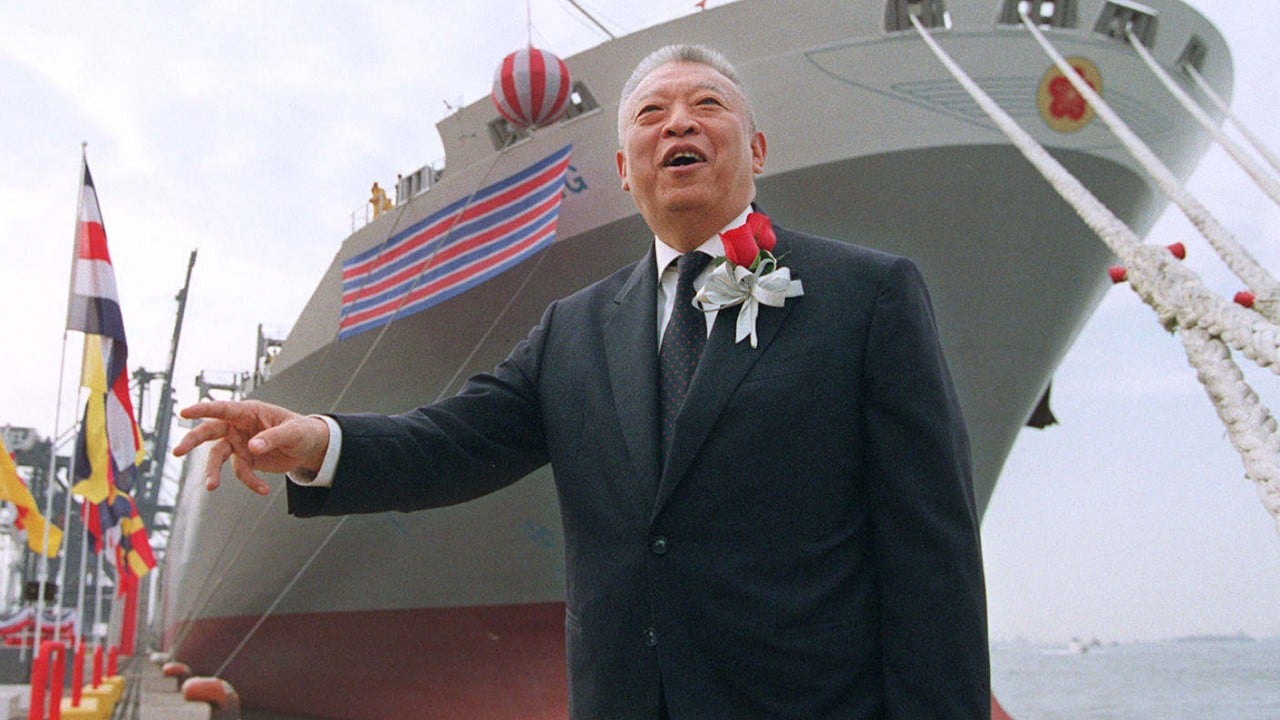
Tung Chee-hwa, a shipping tycoon who had spent his life navigating actual oceans of salt water and shifting international trade routes, suddenly found himself captaining a ship of seven million people whose emotional compasses were spinning wildly. He did not seek the job. He was drafted. He was chosen because he represented stability, a bridge between two worlds that viewed each other with deep, ingrained suspicion.
Scarcely had he taken the helm when the sky fell in.
The Asian Financial Crisis hit like a physical blow. Stock markets convulsed. Real estate values, long treated as an infallible religion in the territory, cratered overnight. People who felt invincible found themselves drowning in negative equity. The phone lines at banks rang off the hook with despair. And just as the city began to catch its breath, the shadow of SARS descended, turning bustling night markets and crowded subway cars into ghost towns wrapped in gauze and fear.
In those years, Tung Chee-hwa absorbed blow after blow. Pundits carved him up on morning talk shows. Protesters filled the streets, venting decades of pent-up political anxiety, identity crises, and economic frustration directly onto his doorstep. He was painted as out of touch, too gentle for the ruthless arena of modern political theater, a businessman playing a game without rules.
He absorbed it. He did not lash out. He did not flee. He simply kept showing up to work.
That endurance is what Jack Ma recognized. Because Ma, too, knows what it is like to stand in the eye of a hurricane of public scrutiny.
To the outside observer, Jack Ma’s rise looks like a frictionless fairy tale. A charismatic English teacher with zero background in computer science conjures Alibaba out of thin air, commands the loyalty of millions of merchants, rings bells on foreign stock exchanges, and becomes the avatar of modern Asian entrepreneurial grit.
Yet empire-building is rarely a clean arc. It is a grueling, exhausting war of attrition against bureaucracy, skepticism, financial ruin, and the terrifying weight of expectation. There were nights in the early days when payroll was a desperate gamble, when servers crashed under unimaginable loads, when regulators looked at digital commerce with suspicion bordering on hostility. Ma faced his own storms, navigating the fragile, shifting boundaries between private ambition and state gravity.
When a builder of digital empires looks at a man who tried to hold a fractured city together during its most vulnerable transition, he is not looking at a resume. He is looking at a mirror.
Honor is a strange, archaic concept in our current age. We live in a culture that worships disruption, velocity, and winning at all costs. We applaud the ruthless pivot, the clever loophole, the disruptive strike that leaves competitors in the dust. We measure leaders by their quarterly growth, their viral soundbites, and their ability to bend reality to their will.
Honor asks a very different question. What do you do when you are losing?
When the economy is bleeding, when public trust has evaporated, when every decision you make is criticized and every mistake is magnified by a thousand lenses, do you protect your ego, or do you protect the institution? Do you lash out at your critics, or do you absorb the fury so that others can sleep?
Tung Chee-hwa chose the latter. His tenure was marked by painful stumbles, but it was also defined by an absolute refusal to abandon the vessel. He poured his own fortune into stabilizing companies during the crisis. He worked seventy-hour weeks until his hair turned completely white, carrying a burden that would have crushed a lesser constitution. When he finally stepped down, citing health reasons, he left behind a city that was bruised, cynical, and divided—yet fundamentally intact. The institutional rails had held. The ships were still sailing into the harbor.
Consider what happens when public figures exchange messages of mutual respect across the generations. In an era defined by polarization, where public life is reduced to bloodsport and cancellation, a tribute like this acts as an antidote. It reminds us that behind the public avatars, there is a human being lying awake at 3:00 AM, staring at the ceiling, wondering if they are breaking the world they swore to protect.
Jack Ma’s tribute is a recognition of that shared midnight dread.
It tells us something vital about power. Power is loud. It is accompanied by flashing camera bulbs, ringing stock bells, roaring stadiums, and breathless op-eds. But honor? Honor is quiet. Honor happens in the drafty corridors of government offices late at night, in the deliberate choice not to retaliate against an unfair attack, in the stubborn refusal to quit when the easiest and most sensible thing to do is walk away.
We often talk about resilience as if it were a software update. Download a mindset, drink the right green juice, read the right philosophy book, and suddenly you are bulletproof.
Real resilience is nothing like that. Real resilience is messy, lonely, and deeply exhausting. It looks like a man standing at a podium while a hostile crowd heckles him, his voice steady even though his hands are trembling slightly in his pockets. It looks like an entrepreneur staring at an empty bank account while his employees go home to their families, trusting him to find a way out of the dark.
The world has changed dramatically since Tung Chee-hwa took the oath of office, and it has changed just as radically since Jack Ma built his first digital storefront. Algorithms now dictate the flow of capital. Geopolitical fault lines have hardened into concrete walls. The pressures facing leaders today are faster, sharper, and infinitely more volatile.
Yet the fundamental machinery of human endurance remains untouched by technology. A computer can process a billion transactions a second, but it cannot manufacture courage. A spreadsheet can forecast market volatility, but it cannot sustain a leader through a season of public hatred.
That requires something older. It requires character forged in the slow, grinding fire of responsibility.
When Ma spoke of honor shining in hard times, he was offering a philosophy for the turbulent years ahead. We are entering an era where easy answers are dead. Supply chains fray; political alliances crack; economic certainties evaporate like morning mist on the harbor. Every institution we took for granted is being stress-tested to its absolute breaking point.
In times like these, we will be tempted to look for saviors who promise simple victories and absolute certainty. We will be tempted by the loud, the ruthless, and the frictionless.
We should look instead for the quiet ones. The ones who stay at their desks when the lights go out. The ones who take the blame when things shatter and refuse the credit when things heal. The ones whose honor does not depend on the applause of the crowd, but on the quiet, unyielding knowledge that they held the line when the storm hit.
The harbor water outside the glass is gray and churning, indifferent to the ambitions of merchants and the exhaustion of statesmen. The container ships keep moving, hauling their cargo through the dark. And somewhere in the quiet rooms of the world, another leader is staring at a crisis, wondering if they have enough strength left for tomorrow.
May their honor shine.