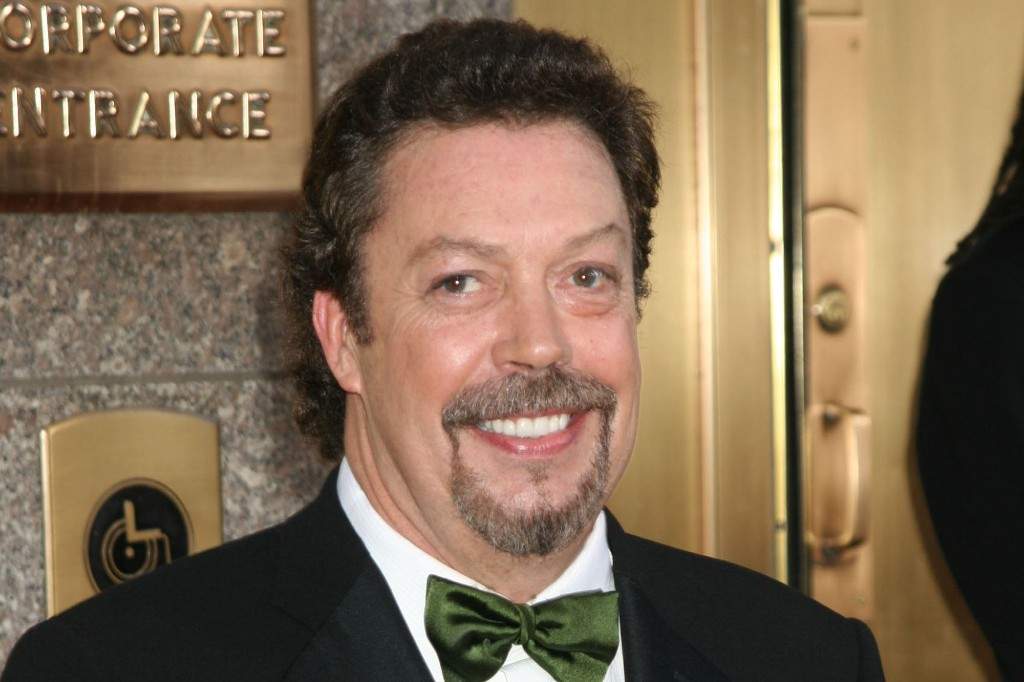
Tim Curry died at his Los Angeles home at the age of 80, closing the curtain on a career defined by a rare kind of electric danger that modern screen acting has largely sanitized out of existence. While headlines across the globe immediately reduce him to his corset-clad breakout in The Rocky Horror Picture Show, defining his legacy purely by midnight-movie nostalgia misses the structural shift he represented. He was not merely an eccentric character actor. He was an uncompromising theatrical force who treated celluloid like a live stage, injecting high-camp terror and baroque magnetism into a Hollywood system that usually prefers its villains flat and digestible.
The mechanics of his craft originated in the gritty, disciplined trenches of British theater rather than standard television breeding grounds. Born in Cheshire in 1946, Curry cultivated a rich, operatic baritone and an elastic face capable of morphing from seductive elegance to sheer, unadulterated grotesquery within a single frame. When he stepped into the role of Dr. Frank-N-Furter—first on the London stage in 1973 and subsequently in the 1975 cinematic adaptation—he did not just play an alien sweet transvestite from Transylvania. He weaponized gender non-conformity and sexual agency as a direct assault on bourgeois complacency.
Hollywood today frequently manufactures sanitized, focus-grouped edge. Curry projected authentic, unpredictable menace.
Consider the trajectory of his career post-Rocky Horror, which defied every rule of typecasting. A lesser performer would have spent the next four decades recycling variations of sweet transvestite camp. Instead, Curry weaponized his distinct vocal resonance and architectural facial structure to colonize our collective childhood nightmares and adult comedies alike. As Pennywise the Dancing Clown in the 1990 television adaptation of Stephen King's It, he bypassed the cheap jump-scares favored by modern horror directors. He relied entirely on manic, fluid expressions and a sing-song vocal delivery that felt genuinely psychotic.
He balanced that terror with peerless comic timing in ensemble pieces. In Jonathan Lynn's 1985 cult classic Clue, his portrayal of Wadsworth the butler acts as the frantic anchor of a runaway train, sustaining an exhausting physical rhythm that few contemporary comedy actors could manage without digital intervention. Whether playing the nefarious hotel concierge in Home Alone 2: Lost in New York, the Lord of Darkness in Ridley Scott's Legend, or Long John Silver in Muppet Treasure Island, Curry approached material that could easily slip into utter camp with absolute, Shakespearean conviction. He never winked at the camera. He committed entirely.
That total commitment is precisely what makes his passing feel like the end of an architectural era in entertainment.
The industry that launched Curry valued theatrical breadth over standardized relatability. Today's franchises demand interchangeable, hyper-realistic archetypes who blend seamlessly into digital backlots. Curry belonged to a dying breed of performers who understood that cinema is often enhanced by grand, sweeping brushstrokes. Even after a debilitating stroke in 2012 restricted him to a wheelchair and redirected his immense energies toward voice work and his 2025 memoir Vagabond, his cultural footprint remained untouched by the shifting tides of media consumption.
He faced his physical decline with the same unflinching clarity that defined his acting choices. During late-career television appearances, he made it clear that he did not fear mortality, viewing the eventual quiet as a logical continuation of a life fully spent. He exited on his own terms, leaving behind a cinematic landscape that has grown progressively more timid, uniform, and afraid of the dark.
The corsets, the greasepaint, and the razor-sharp grins are gone, but the erratic, magnificent electricity he brought to the screen remains impossible to replicate.