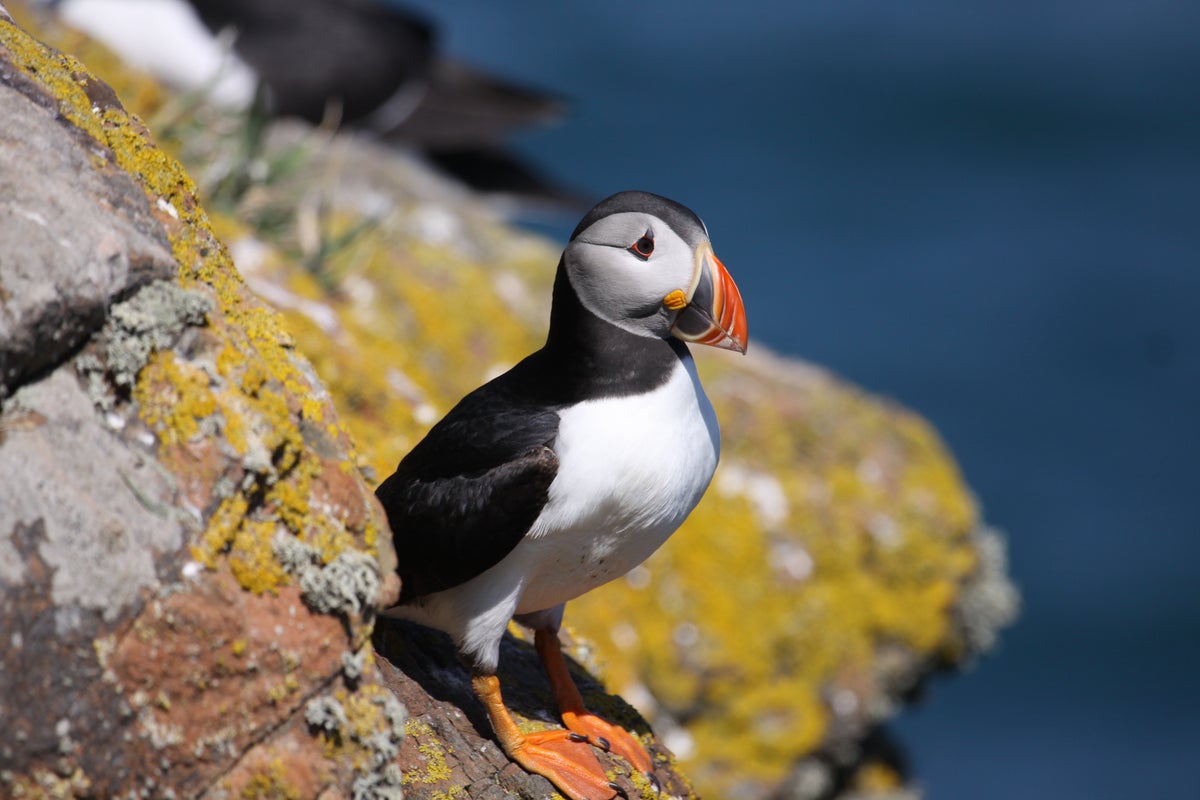
You walk along the coastline and expect the smell of salt and the sound of waves. Instead, you find a graveyard. Thousands of dead puffins litter the sand. It’s a gut-wrenching sight that happens far too often now. People wonder if this is just a natural cycle or something much darker. The truth isn’t pretty. It’s a clear signal that the ocean is failing these birds.
Seabird wrecks, as scientists call these mass mortality events, aren't new. But the scale we see today? That’s different. We aren't looking at a freak accident anymore. We are looking at a sustained failure of the marine ecosystem.
The Grim Reality Of Seabird Wrecks
When a puffin washes ashore, it’s usually thin. Emaciated, actually. These birds are built for energy. They are high-octane creatures. They have fast metabolisms. They need constant, high-quality fuel to survive. If they can’t find enough food, they don’t just get hungry. They burn through their body fat in days. Once those reserves hit zero, they drop out of the sky or simply succumb to the cold while resting on the water.
People often ask if disease is the culprit. Usually, it isn't. Researchers who perform necropsies on these birds almost always find the same thing. Empty stomachs. No body fat. Their livers show signs of prolonged starvation. It’s not a virus wiping them out. It’s a total lack of resources.
How Warming Oceans Kill
The ocean is getting warmer. That’s not a political debate. It’s a measurable reality. Even a slight rise in sea surface temperature changes everything.
Atlantic puffins rely on specific prey. Their absolute favorite is the sand eel. These small, lipid-rich fish are the perfect meal. They are basically little bundles of energy. Sand eels thrive in cool, nutrient-dense water. When the ocean warms, the water column doesn't mix as well. Nutrients that normally rise to the surface to feed plankton stay trapped in the deep. Without the plankton, the sand eels vanish.
Basically, the puffin’s grocery store just closed.
When the sand eels move north to find colder water, the puffins follow. But there’s a limit. If the fish move too far, the puffins can’t reach them. The flight distance becomes too great. They spend more energy trying to find food than they get back from eating. It’s a negative energy balance. You can’t survive that way for long.
The Food Web Under Pressure
The decline of the sand eel isn't an isolated event. It’s a symptom of a massive shift in the marine food web. Other species, like herring or sprat, are replacing sand eels in some areas. But these fish don't always offer the same caloric punch. They are often larger or harder to handle for a puffin.
Think about the physical limitations of a bird. A puffin has a small beak and a specific hunting strategy. If the prey size doesn't fit, the bird suffers. They are specialists. They aren't generalists who can just switch to eating jellyfish or crabs. When their specialty fails, they go hungry.
Marine Heatwaves And The Blob
You might have heard of marine heatwaves. These are periods where ocean temperatures spike significantly above average for days or weeks. Scientists track these events with satellite data. We see a direct correlation between these spikes and major seabird die-offs.
In the North Sea, these heatwaves are becoming more frequent. They act like forest fires in the water. They don't burn trees, but they "burn" the available food. The entire base of the chain collapses. It happens in slow motion for us, but for a puffin, it’s a race against time. If they can’t find a patch of cold, food-rich water, they are done.
The Impact Of Overfishing
It isn't just climate change. We are also extracting massive amounts of protein from the ocean. Sand eels have been harvested by industrial fisheries for years. They are turned into fishmeal and fish oil for aquaculture.
When you take millions of tons of sand eels out of the water, you are directly competing with the puffins. It’s a brutal reality. We are taking the primary food source for seabirds to feed farmed salmon or livestock. We prioritize industrial profit over the stability of the marine food chain. It’s a decision that has a high price tag. We pay that price every time we find a beach littered with dead birds.
Why This Matters To You
You might think, "I don't live near the coast, so why should I care?" These birds are sentinels. They are the canary in the coal mine. If the puffins are dying, the ocean is in trouble. And if the ocean is in trouble, the systems we rely on—weather regulation, carbon sequestration, and global food security—are also in trouble.
Puffins represent a healthy, functioning ecosystem. When they go, we lose a piece of the biological clockwork that keeps the world running. Ignoring their decline is like ignoring the flashing oil light on your car dashboard. You can keep driving for a while, but eventually, the engine will seize.
How You Can Help Monitor The Coast
If you live near the coast or spend time on the beach, you can contribute to actual science. Don't just walk past the dead birds. Document them.
- Take clear photos of the bird.
- Record the exact location using GPS coordinates from your phone.
- Note the date and time.
- Report your findings to local wildlife agencies or coastal monitoring programs.
Most countries have specific networks for reporting stranded marine animals. These data points are vital. They help scientists build a map of where the mortality is happening and at what intensity. It allows researchers to link specific die-offs to weather events or fishing activity.
Stay off the beach if local authorities have cordoned it off. Sometimes these wrecks involve pathogens, even if starvation is the primary driver. If you find a sick but alive bird, call a wildlife rescue center. Do not try to feed it or pick it up yourself. They are stressed and can be dangerous when handled improperly.
The next time you hear about dead puffins, remember that it’s not just bad luck. It’s a direct consequence of a warming planet and industrial pressure. We created this mess. If we don't start paying attention to the signals, we are going to lose a lot more than just the birds. Start supporting sustainable fishing practices and pressure your representatives to protect marine corridors. Your voice matters more than you think. Keep watching the coast. The birds are telling us the truth about our future.