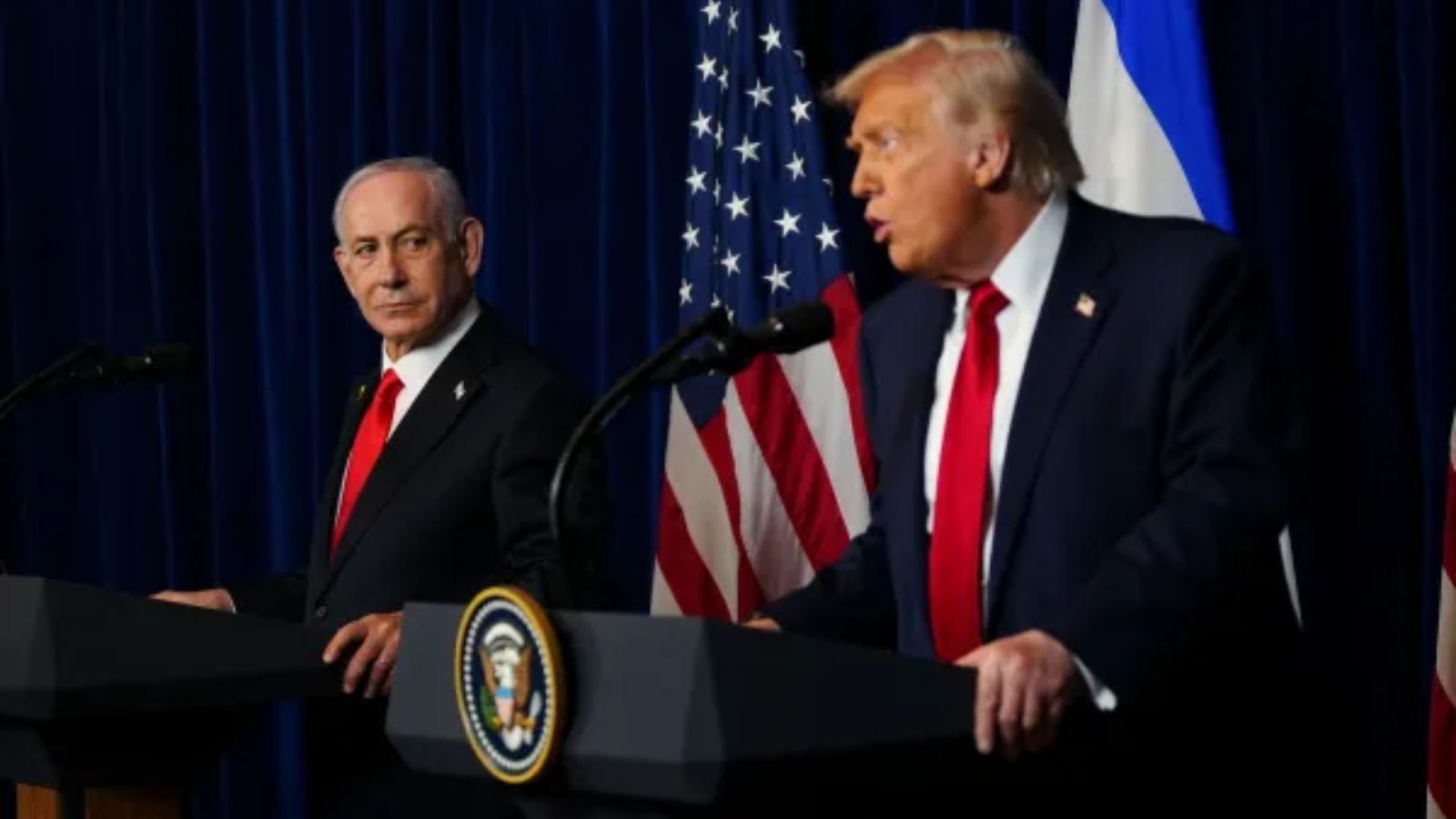
Mainstream political journalism thrives on a simple, comforting narrative: when leaders disagree, it means the alliance is fracturing.
The media spent weeks obsessing over Donald Trump’s public disapproval of Israeli airstrikes on Beirut, interpreting his comments as a tectonic shift in US-Israel relations. They frame it as a genuine, ideological rift between Trump and Benjamin Netanyahu. Meanwhile, you can explore similar stories here: Why the G7 and India are Rushing to Stop the Next Ebola Outbreak Before It Starts.
They are misreading the entire board.
What the pundits call a "public split" is actually a masterclass in calculated strategic theater. It is a dual-purpose performance designed to manage domestic voter anxiety in America while giving Israel the political cover it needs to execute its long-term security objectives. To see the bigger picture, we recommend the excellent report by USA Today.
If you believe this represents a fundamental breakdown in alignment, you are falling for the oldest trick in the geopolitical playbook.
The Illusion of the Fracture
The lazy consensus among analysts is that Trump’s critique of the Beirut campaign stems from a sudden aversion to Israeli military strategy. This view ignores thirty years of transactional diplomacy.
Geopolitics does not run on personal affection or emotional whims. It runs on leverage, optics, and timing.
Look at the mechanics of the statements. Trump did not threaten to cut off the pipeline of intelligence sharing. He did not advocate for sweeping defense sanctions. He expressed a targeted, localized distaste for specific visuals coming out of Lebanon.
There is a precise term for this in statecraft: calibrated public distance.
By publicly wincing at the optics of the Beirut strikes, a leader achieves three distinct goals simultaneously:
- They signal to moderate domestic voting blocs that they are not giving a foreign power a literal blank check.
- They preserve their posture as a master dealmaker who can cajole and pressure any global leader.
- They give the foreign ally a window of deniability to accelerate their operations before the next diplomatic checkpoint.
I have spent years watching corporate boardrooms and diplomatic corridors operate on the exact same frequency. When a CEO publicly reprimands a subsidiary for an aggressive market takeover, they rarely want the takeover to stop. They want the public to know they aren't the ones pulling the trigger. The foreign policy press corp consistently mistakes the reprimand for the policy.
Dismantling the Punditry
Let us dismantle the premise of the questions currently flooding the news cycle.
Does a public disagreement mean US aid to Israel is in jeopardy?
This question is inherently flawed because it assumes military aid is an emotional reward for good behavior. It isn't. The defense architecture between Washington and Tel Aviv is hardwired into federal statutes, intelligence-sharing frameworks, and multi-year procurement contracts that do not change based on a critical interview or a stray comment on the campaign trail.
Why would Netanyahu risk angering his most powerful American ally?
Netanyahu isn't risking anything because he understands the difference between rhetoric and reality. Foreign leaders know that American political figures must play to multiple audiences at once. A public scolding is a small price to pay for sustained, structural support behind closed doors.
Imagine a scenario where an enterprise software company publicly scolds its most profitable client for violating a minor term of service, yet quietly renews their enterprise contract with a 20% discount the very next day. The public statement satisfies the compliance auditors; the contract renewal keeps the business afloat. That is exactly what we are witnessing here.
The Hidden Cost of the Performative Rift
Adopting this contrarian view does not mean it comes without risk. There is a distinct downside to relying on strategic theater to manage global alliances.
When you fake a fight frequently enough, you create a vacuum of predictability. Adversaries like Iran or non-state actors in the region might miscalculate. They might see the public friction, believe the American umbrella is genuinely folding, and launch a catastrophic escalation that forces both Washington and Tel Aviv into a real conflict neither wanted.
Furthermore, it degrades the credibility of official statements. When every public critique is understood by insiders to be a wink and a nod, actual warnings lose their teeth.
But right now, the benefits for both leaders outweigh the risks. Netanyahu gets to demonstrate to his hardline domestic coalition that he can stand up to American pressure and protect Israeli sovereignty. Trump gets to project the image of a strongman mediator who can hold even his closest allies accountable.
Stop Reading the Script
The mainstream media will continue to analyze every syllable of these public exchanges as if they are watching an organic, unpredictable drama. They will tell you the alliance is on thin ice. They will speculate about a permanent falling out.
Stop reading their script.
The structural foundations of the relationship remain completely untouched. The intelligence pipelines are open. The strategic coordination continues without a glitch. The noise you are hearing isn't the sound of an alliance breaking apart; it is the sound of the machinery working exactly as intended to keep the public distracted while the real strategy plays out in the dark.
Do not look at their mouths. Watch their hands.