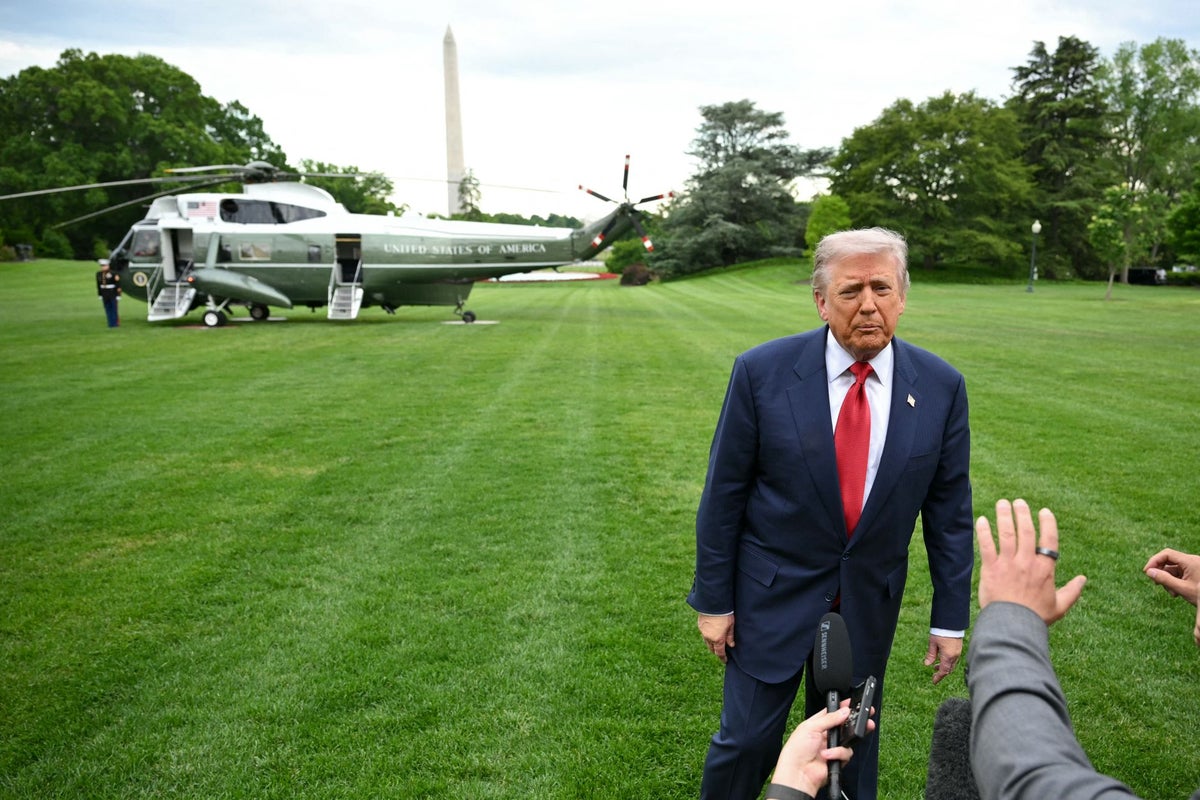
The physical modification of executive infrastructure is rarely an issue of mere aesthetic preference; it is primarily driven by critical technological constraints and operational bottlenecks. The sudden deployment of construction barricades on the South Lawn of the White House highlights a stark reality: the deployment of next-generation defense technology often breaks the compatibility limits of legacy institutional environments. This fundamental tension between historical preservation and defense engineering dictates the current installation of a permanent presidential helipad.
The Thermal Engineering Bottleneck
Media analysis frequently mischaracterizes public infrastructure overhauls by focusing on personal taste or political optics. However, the core driver behind this project is a specific thermal engineering failure identified during the modernization of the executive helicopter fleet.
The Exhaust Function of the VH-92A Patriot
The transition to the Sikorsky VH-92A Patriot—a heavily modified variant of the commercial S-92 platform engineered by Lockheed Martin—introduced an irreconcilable operational limitation. Unlike older models in the Marine One fleet, the VH-92A features downward-directed engine exhaust vents.
When the aircraft hovers, idles, or lands, these vents project a concentrated thermal plume directly onto the ground surface. The physical consequences are direct:
- Thermal Scorching: The high-temperature exhaust chars organic turf instantly, destroying the root structure of the South Lawn grass.
- Soil Structural Degradation: Continuous exposure to high-velocity, high-temperature gas destabilizes the immediate topsoil layer, turning a highly manicured landscape into a dust and debris hazard.
- Foreign Object Debris (FOD) Risk: Scorched grass and loose soil create high volumes of loose particulate matter. During subsequent takeoffs and landings, the rotor wash pulls this debris back upward, creating an immediate risk of engine ingestion and structural wear to the aircraft itself.
Because the thermal dynamics of the VH-92A could not be re-engineered without cost-prohibitive changes to the airframe's primary propulsion architecture, the only viable engineering solution was to modify the landing interface. A permanent pad acts as a heat sink and a rigid barrier, neutralizing the thermal footprint of the aircraft.
The Strategic Funding and Corporate Alignment Model
A critical point of deviation from standard government procurement models is the financing structure of this project. Lockheed Martin is reportedly contributing $5 million directly to cover the construction costs. This arrangement introduces a unique corporate-state risk mitigation dynamic.
The Liability Shift Architecture
In typical defense contracting, if a delivered asset fails to meet basic operational parameters within its intended environment, the manufacturer faces significant financial penalties, delayed acceptance, or litigation.
[Lockheed Martin: Delivers VH-92A Fleet]
                  │
                  ▼
[Thermal Output Scorches Turf] ──► [Operational Deficit: Fleet Cannot Land safely]
                  │
                  ▼
[$5M Infrastructure Subsidy] ──► [Resolves Usability Bottleneck without Airframe Redesign]
By providing a $5 million infrastructure subsidy, Lockheed Martin effectively offsets a major product liability. Redesigning the exhaust routing on an active military procurement program would require hundreds of millions of dollars in aerodynamic testing, certification, and structural modification. Providing $5 million to pour concrete on the South Lawn represents a massive cost savings for the defense contractor, resolving a major bottleneck while preserving their delivery timeline.
Infrastructure Permanentization vs. Institutional Legacy
The decision to install a permanent helipad breaks an institutional precedent that has stood since the Eisenhower administration. Historically, executive leadership deliberately rejected permanent aviation infrastructure on the South Lawn due to specific structural and preservation principles.
The traditional landing process relied on temporary ground management strategies, treating the lawn as a dynamic, multi-use space. Transitioning to a permanent pad signals a distinct shift toward hyper-functionalism, where the immediate demands of modern technical assets override historical preservation frameworks.
The second limitation of the legacy approach was its high maintenance cost. Constant turf replacement, soil aeration, and manual repair after every single Marine One deployment created an ongoing operational expense. By executing this permanent installation alongside other extensive site overhauls, the executive branch is systematically transforming a historic park into a dedicated corporate and logistical hub.
Future Operational Realities
The installation of a heavy-duty, heat-resistant landing pad will permanently alter the logistics of executive transport. It guarantees that the VH-92A fleet can operate at maximum capacity without causing continuous surface degradation or requiring emergency landscape maintenance.
Organizations facing similar infrastructure limits should watch the long-term maintenance data from this site. The true test of this renovation will be its structural resilience against continuous thermal cycling and whether the surrounding topsoil remains stable under heavy, repetitive downwash pressures.
White House Helipad Overhaul
This broadcast outlines the physical launch of the construction project on the South Lawn and details the initial administrative opacity surrounding the installation.