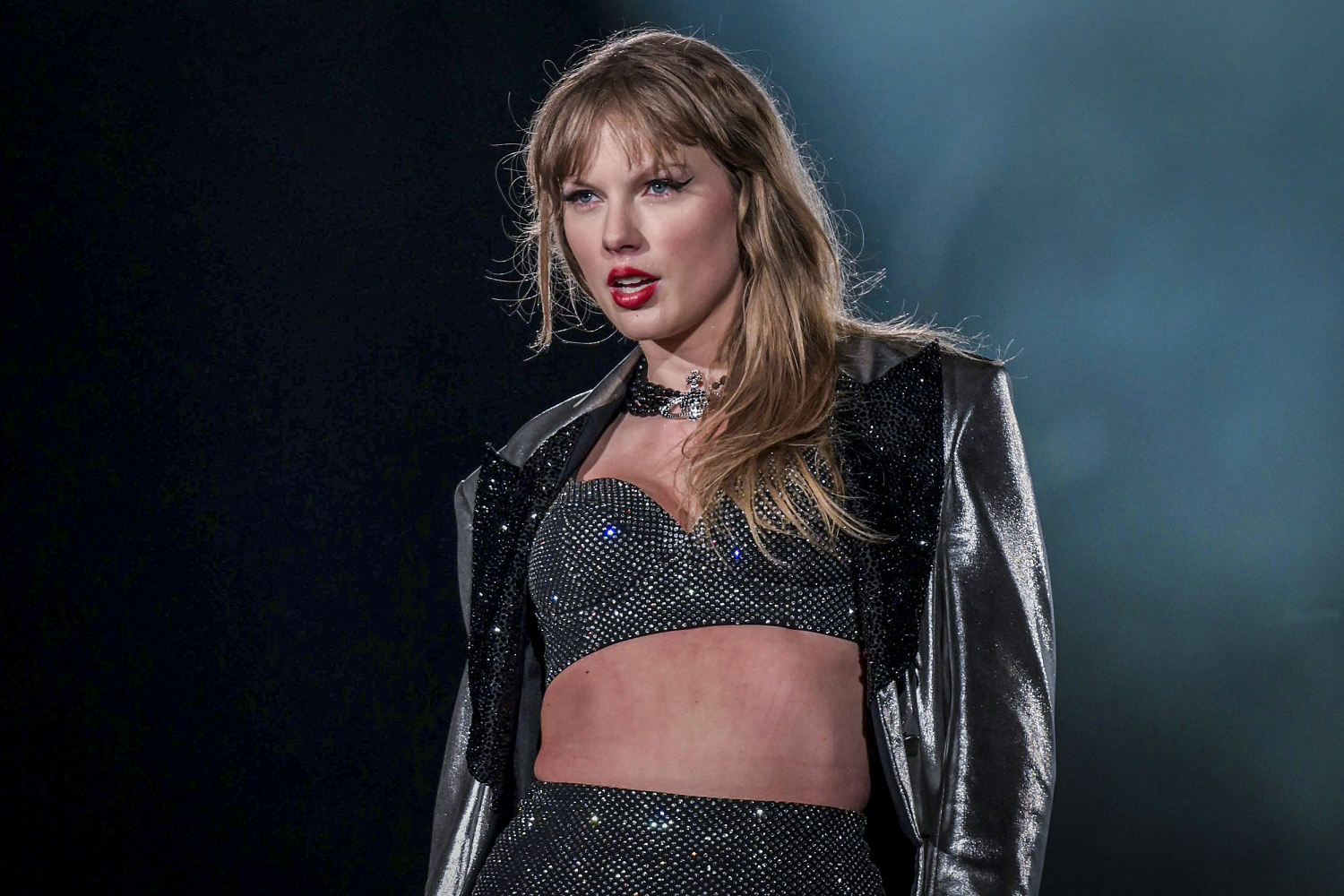
Taylor Swift isn't just protecting her brand. She's fighting a war for the right to own herself. By filing to trademark her voice and likeness, the world’s biggest pop star is setting a legal precedent that will change how we think about human identity in a world full of algorithms. You've probably seen the AI-generated clips. They look like her. They sound like her. But they aren't her. And frankly, the legal system is currently too slow to keep up with how fast these deepfakes spread.
Swift’s legal team isn't playing around. This move to trademark specific characteristics of her persona is a direct response to the explosion of synthetic media. We’re talking about AI tools that can mimic a singer's vocal range or put their face on a video with terrifying accuracy. If you think this is just about money, you're missing the point. It's about consent.
The legal loophole Taylor Swift is finally closing
Most people think copyright law covers your voice. It doesn't. Copyright protects "works"—the songs, the lyrics, the recordings. It doesn't necessarily protect the "sound" of your voice itself. That's a massive gap that AI companies have been exploiting for months. They argue that if they train an AI on your voice but create a "new" song, they aren't technically stealing your work.
Trademark law is different. It’s built to prevent consumer confusion. By filing for these trademarks, Swift is claiming that her voice and likeness serve as a "source identifier." Basically, if you hear that voice, you assume it's Taylor Swift. If a brand uses a deepfake voice to sell a product, they aren't just using an AI tool. They’re infringing on a trademarked identity. It’s a brilliant tactical shift.
Historically, celebrities relied on "Right of Publicity" laws. These vary wildly from state to state. In Tennessee, where Swift has deep ties, the ELVIS Act (Ensuring Likeness Voice and Image Security) was recently passed to offer more protection. But state laws aren't enough for a global superstar. Federal trademarks provide a much bigger hammer. When you have a federal trademark, you can go after platforms and bad actors with significantly more leverage.
Why AI deepfakes are a unique threat to artists
Deepfakes aren't just digital masks. They're identity theft on a mass scale. We saw this peak with those horrific AI-generated images of Swift that went viral on X earlier this year. The internet moved faster than the lawyers could. By the time a takedown notice is filed, the damage is done. Millions have seen it.
AI models are trained on vast datasets of existing human performances. When an AI generates a "new" Taylor Swift song, it's basically cannibalizing her life's work to create a product that competes against her. It’s parasitic. Think about it. Why would a movie studio hire a voice actor if they can just license or steal a synthetic version of a famous person's voice for a fraction of the cost?
I’ve seen how this plays out in smaller creator circles too. It starts with parody. Then it moves to "fan art." Then it becomes a commercial product. Swift is drawing a line in the sand before the industry forgets what a real human artist sounds like. She's making sure that if her voice is used, she's the one who says "yes" or "no."
The risk of trademarking a human persona
Is it possible to go too far? Some legal experts worry about "over-propertization." If we start trademarking voices, does that stop a regular person who just happens to sound like Taylor Swift from singing on YouTube? Probably not. Trademark law is specifically about commercial use and consumer confusion.
If a girl in a small town sounds like Taylor, she isn't infringing on a trademark unless she starts selling "Taylor Swift-style" performances or products using that likeness to trick people. The courts usually look for intent. But the risk is that big corporations might use these trademarks to bully smaller artists.
Swift, however, has a track record of using her power for the collective good of the industry. Look at her fight with Spotify or her re-recording of her albums to own her masters. She isn't just doing this for her own bank account. She’s creating a blueprint for every other artist who doesn't have a legal team of fifty people. If she wins these trademarks, it creates a standard that smaller artists can point to when their own voices get scraped by AI bots.
How this affects the future of the music industry
The industry is at a crossroads. We have two choices. Either we let AI turn human creativity into a commodity that can be replicated for free, or we build a wall of legal protections around the human element. Swift is choosing the wall.
- Artists will likely start "fingerprinting" their voices using digital watermarks.
- Recording contracts will now include specific clauses about "synthetic rights."
- Streaming platforms will be forced to implement stricter filters for AI-generated content that mimics trademarked voices.
You might think it's cool to hear "Taylor Swift" sing a cover of a heavy metal song. It’s a fun novelty. But that novelty has a cost. Every time an AI version of an artist gets a stream, the real human artist loses out on that engagement and revenue.
Moving beyond the digital wild west
The current landscape for AI is like the early days of Napster. It feels like anything goes. People are grabbing data and likenesses because they can. But just like Napster eventually gave way to a regulated streaming market, the AI "wild west" is about to face its first real sheriff.
Swift’s filings are a signal to the tech giants in Silicon Valley. She's telling them that her identity isn't part of their open-source training data. If you want to use it, you pay for it. If you use it without permission, you face a trademark lawsuit that could cost millions.
We need to stop viewing AI as this unstoppable force of nature. It’s a tool. And tools should be governed by the same rules of consent and ownership as everything else in society. If I can't walk into a store and put my face on a cereal box without permission, an AI company shouldn't be able to put my voice in a commercial without it either.
What you can do to protect your own digital identity
You don't need to be a billionaire pop star to take this seriously. While you might not be filing for federal trademarks today, you should be aware of where your data goes.
- Check the terms of service on AI voice-cloning apps before you upload your recordings. Often, you're giving them a permanent license to your voice.
- Use tools like Glaze or Nightshade if you're an artist. These programs add invisible "noise" to your images that breaks AI training models.
- Support legislation like the NO FAKES Act. This is a proposed federal law that would protect everyone's voice and likeness from unauthorized AI use.
- Be skeptical of what you see online. If a video of a celebrity looks slightly "off" or the audio sounds too clean, it’s probably a deepfake. Don't share it.
The era of trusting our eyes and ears is over. We're entering an era where we have to trust the legal structures we build to protect the truth. Swift is leading that charge. She’s ensuring that even in a world of a billion fakes, there’s only one real Taylor Swift. This isn't just a celebrity news story. It's a fundamental shift in how we define what belongs to us. If we don't own our voices, what do we really own?