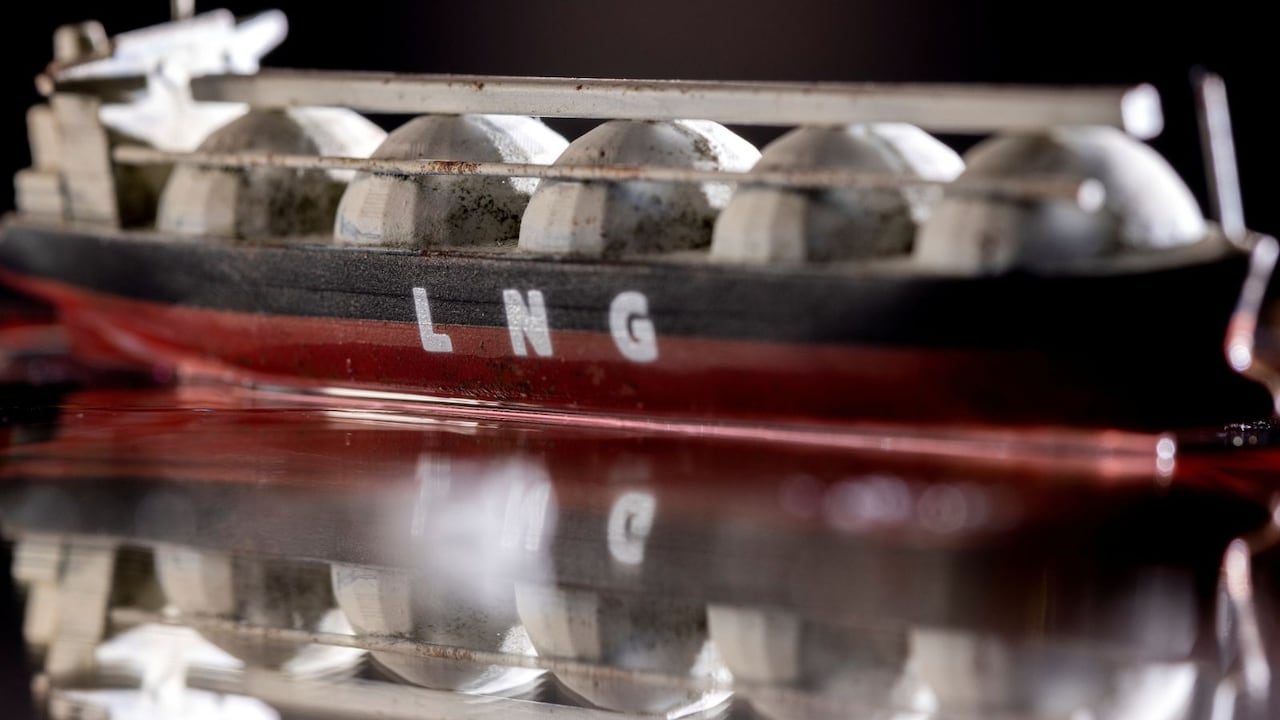
You can't ignore what just happened near the Strait of Hormuz. A Qatari liquefied natural gas carrier, the Al Rekayyat, is currently sitting idle off the coast of Oman, waiting for salvage crews to secure its charred hull. It was hit on its port side by a projectile. The strike triggered a serious engine room fire, forced the evacuation of all 29 crew members, and temporarily pushed the vessel to the brink of an explosion.
This isn't just another regional skirmish. It's a massive shift in how risky the global energy trade has become.
For months, the shipping industry operated under a fragile assumption that liquefied natural gas carriers were essentially untouchable. They were too valuable, too dangerous to hit, and too critical to global heating and electricity needs. That illusion shattered when a drone or missile tore into the Al Rekayyat. If you think your energy bills or supply chains are isolated from Middle Eastern shipping corridors, it's time to face reality.
The Night the Rules Changed in the Gulf
The Al Rekayyat was loaded with LNG from Qatar’s Ras Laffan terminal and bound for Dahej, India. To avoid drawing attention, the ship was running dark. It had its automatic identification system transponder switched off, which is a standard but risky tactic for vessels navigating these waters.
It didn't work.
About eight nautical miles east of Limah, Oman, the strike occurred. A recorded radio call from the ship's captain captured the sudden panic. "We are being hit by drone on port side, top of engine room," he reported through heavy static. "Status: engine room fire and full of smoke."
Emergency tugs and service ships quickly surrounded the burning vessel. While the crew escaped safely—including four Indian nationals—the real terror was the state of the cargo. The vessel carried thousands of tons of super-cooled liquid gas. While the cryogenic tanks remained intact, a fire burning directly adjacent to those systems meant a catastrophic hull breach was dangerously close.
The industry knows exactly how bad that would be. LNG is kept at minus 162 degrees Celsius. If a tank breaches, the liquid rapidly warms, expands 600 times into a gas cloud, and becomes highly flammable when mixed with oxygen. We came incredibly close to a floating bomb detonating at the mouth of the world's most critical energy chokepoint.
The Geopolitical Fallout of a Shattered Peace Deal
The timing of this attack couldn't be worse. It happened right as Washington and Tehran were trying to sustain a fragile interim peace agreement signed just last month. That deal was supposed to halt maritime attacks in exchange for letting Iran sell some oil.
Instead, we saw three separate tankers targeted within a 24-hour window. Along with the Qatari vessel, the Saudi-flagged supertanker Wedyan was also damaged nearby.
The political fallout was instant:
- The White House immediately revoked the license allowing Iran to sell oil.
- President Donald Trump declared the interim agreement "over."
- Global energy markets reacted violently, with crude prices spiking 5%.
What makes this highly complicated is Qatar’s unique position. Doha has spent months acting as the primary mediator between the US and Iran to end this maritime conflict. For Iran to target a vessel belonging to its chief diplomatic bridge is a glaring signal. It tells us that hardline factions, likely within the Islamic Revolutionary Guard Corps, are entirely willing to burn their diplomatic bridges to assert dominance over the waterway.
Why the Omani Safe Route Triggered Aggression
If you look closely at maritime intelligence, the root cause of this specific escalation becomes clear. Ships have been trying to bypass Iranian surveillance by utilizing an expanded, temporary maritime transit corridor closer to Oman’s territorial waters. The Joint Maritime Information Center had recently cleared this route for commercial traffic.
Iran didn't take kindly to ships bypassing its toll and registration systems. State media in Tehran explicitly noted that a tanker was targeted because it attempted to use the "Omani route" with US Navy support while ignoring repeated warnings.
The message from Tehran is loud and clear. If you don't use the Iran-approved shipping lanes and pay their implicit fees, your ship is a target. Security analysts view these strikes as a violent enforcement of a maritime protection racket. It proves that a diplomatic signature on a piece of paper means nothing to drones deployed in the field.
What This Means for Your Energy Security
This attack has completely altered the risk calculus for shipowners. The Joint Maritime Information Center raised the transit threat level for the Strait of Hormuz to "severe." That is the highest designation we've seen in a long time.
Immediately following the strike, sister ships like the Al Areesh, which had just loaded cargo in Qatar, abruptly turned around before reaching the strait and began sailing in circles. Shipowners are terrified, and insurance underwriters are already rewriting their premiums.
You should expect immediate consequences from this bottleneck. When transit through a channel handling 20% of the world's liquefied gas and petroleum becomes a lottery, everyone pays the price. Freight rates will climb, energy utilities will panic-buy to secure alternative flows, and consumers will ultimately see the difference on their monthly bills.
The immediate next steps for the maritime industry are clear. Ship operators must immediately review their transit protocols through the Gulf of Oman. If you have vessels scheduled to cross Hormuz, you need to coordinate directly with multinational naval escorts, prepare for intense radio hailing from regional forces, and ensure your onboard damage-control teams are on high alert. The era of assuming an LNG hull offers a shield of diplomatic safety is officially over.