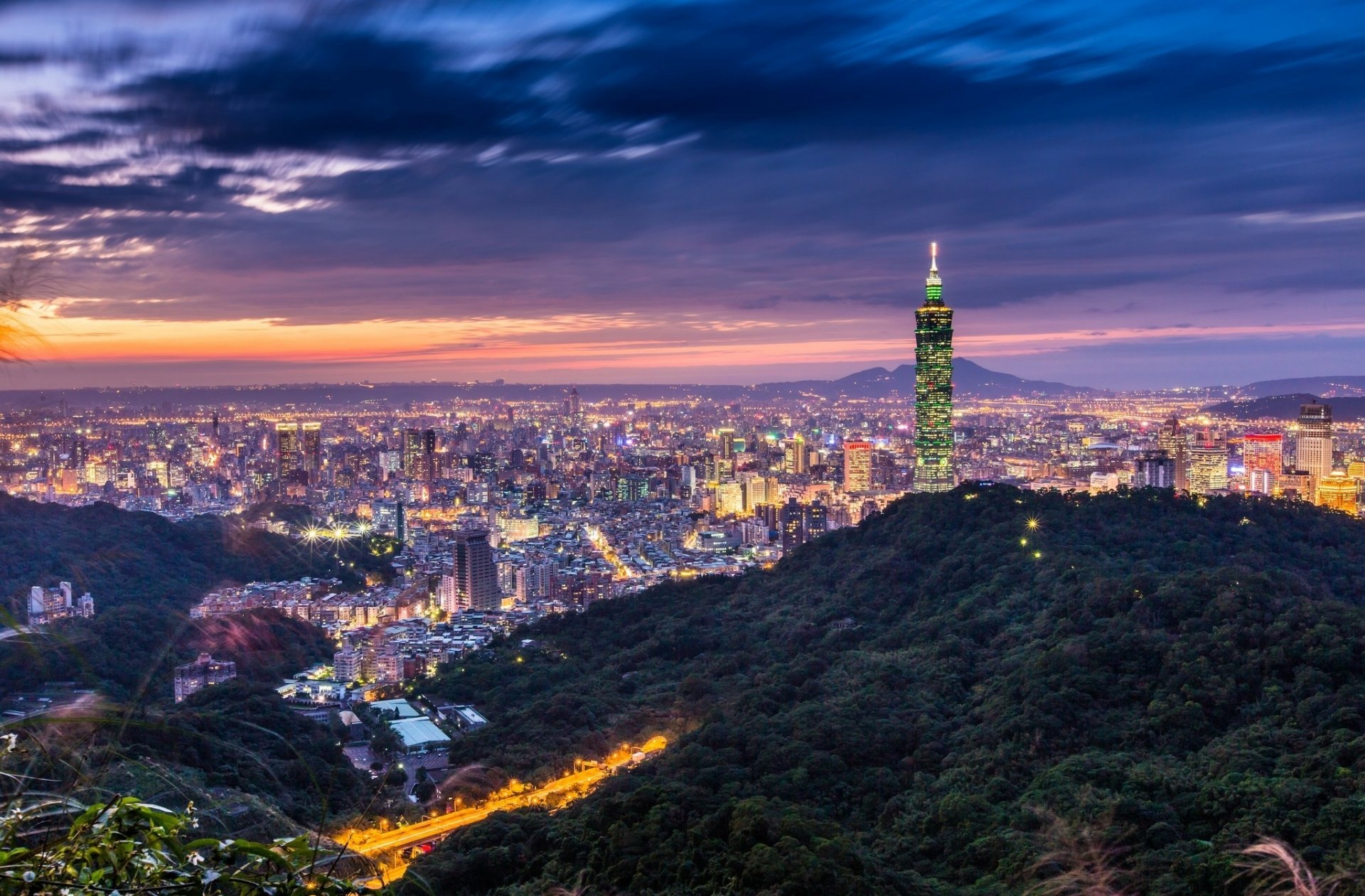
Taiwan economy momentum continues to surprise global markets, driven primarily by an unmatched dominance in advanced semiconductor manufacturing that anchors the island at the center of the international supply chain. Yet beneath the record-breaking export numbers and soaring GDP growth figures lies a stark reality. The island's economic heartbeat depends almost entirely on a single industrial ecosystem, leaving it intensely vulnerable to energy constraints, demographic collapse, and geopolitical friction. Observers looking at surface-level expansion miss the structural fractures widening beneath the surface of this high-tech fortress.
The Silicon Monopoly and Its Hidden Costs
Walk through the cleanrooms of Hsinchu Science Park, and you witness a marvel of human engineering. This is where the world's most sophisticated logic chips are born. Companies like Taiwan Semiconductor Manufacturing Company or TSMC dictate the pacing of global innovation, fabricating silicon for nearly every major consumer electronics and artificial intelligence developer on Earth. When demand surges, the island's economic indicators flash green, creating a phenomenon often mislabeled as broad-based prosperity.
The truth is much narrower. This hyper-specialization creates a severe economic imbalance. While the semiconductor sector prints unprecedented revenue, traditional manufacturing, agriculture, and domestic service industries face intense headwinds. Small and medium enterprises struggle to compete for talent against tech giants offering astronomical salaries and stock options.
Labor dynamics have turned toxic for non-tech sectors. A convenience store clerk in Taipei earns a fraction of a junior technician's starting wage, even as housing costs in the capital city match the most expensive urban centers in North America. This wage polarization breeds social discontent. It turns the economic miracle into a daily struggle for millions who do not code, etch wafers, or manage cleanroom logistics.
The Energy Achilles Heel
Powering the world's technological advancement requires monumental amounts of electricity. Taiwan operates on an isolated electrical grid, an island system with zero cross-border interconnections to absorb sudden generation shortfalls.
The government’s ambitious push toward green energy transition, coupled with the systematic decommissioning of nuclear power plants, has placed the grid under severe strain. Semiconductor fabrication plants cannot tolerate even a millisecond of voltage sag without ruining millions of dollars worth of silicon wafers. Power stability is non-negotiable. Yet, reserve margins frequently hover dangerously close to emergency thresholds during peak summer heatwaves.
Industrial leaders voice private anxieties that public officials downplay. Natural gas supplies, which fuel a massive share of the island's electricity generation, arrive entirely via liquefied natural gas tankers. Any disruption to these maritime shipping lanes instantly threatens the continuous operation of the very factories keeping the global economy afloat.
The Demographic Cliff
Economic expansion requires human capital. Taiwan faces one of the lowest birth rates on the planet, plunging well below the replacement level required to sustain population stability.
Elementary schools close or merge across rural districts every semester. Universities find themselves scrambling to fill lecture halls as the college-age cohort shrinks by tens of thousands of students annually. The labor pool is contracting fast. By the end of this decade, the workforce will shrink at a pace that automation alone cannot offset.
The Brain Drain Threat
Compounding the domestic shortage is the aggressive poaching of Taiwanese engineering talent by foreign competitors. Nations across North America, Europe, and East Asia are throwing billions of dollars at domestic semiconductor initiatives. They need experienced fab managers, process engineers, and materials scientists. They are recruiting directly from Hsinchu.
While top-tier talent commands unprecedented compensation locally, the quality of life pressures—such as notorious work-life imbalances, grueling overtime cultures, and suffocating housing costs—make overseas relocation offers increasingly attractive to mid-career engineers.
Geopolitical Gravity and Supply Chain Realignment
No analysis of Taiwan's economic momentum can ignore the geopolitical shadow cast across the Taiwan Strait. Global corporations spent decades treating the island as a reliable, low-risk manufacturing hub. That era has ended.
Washington and Brussels now view extreme supply concentration as a systemic vulnerability. The response is not merely rhetorical; it involves massive subsidies designed to onshore or friend-shore fabrication capacity. Plants rising in Arizona, Japan, and Germany represent a structural shift.
Fabless design firms in Silicon Valley no longer want 90 percent of their advanced silicon forged in a single geographic zone exposed to acute geopolitical tensions. Even as TSMC builds overseas facilities, the company must retain its most advanced research and development nodes at home to protect its core competitive advantage. This strategy satisfies foreign customers while keeping the anchor tethered to local soil.
The financial cost of this global expansion is staggering. Building overseas fabs requires capital expenditures that strain even balance sheets as robust as TSMC's. Construction delays, cultural clashes in management styles, and regulatory hurdles abroad eat into profit margins that investors once took for granted.
The Domestic Investment Paradox
Capital allocation within Taiwan reveals a profound paradox. While tech giants invest heavily in next-generation node development, domestic private investment outside of high-tech manufacturing remains sluggish.
Local conglomerates prefer parking capital in real estate or foreign assets rather than launching risky domestic ventures in non-tech sectors. Real estate speculation has driven property values to astronomical multiples of average annual earnings. Young families find homeownership an impossible dream, compounding the sociological reluctance to have children and accelerating the demographic doom loop.
The financial sector reflects this bifurcation. Banks sit on massive liquidity pools, yet lending practices remain hyper-conservative, favoring established industrial players over dynamic startups. Without a thriving venture capital ecosystem capable of funding non-silicon innovations, the economy risks complete ossification outside of its singular golden goose.
Navigating the Next Decade
Maintaining economic momentum requires more than running lithography machines faster. It demands radical structural reform.
Tax incentives must shift to encourage domestic wage growth in traditional industries. Educational pipelines need total redesigns to align with automated manufacturing realities rather than rote memorization paradigms from the twentieth century. Energy policy must cast aside ideological dogmas in favor of pragmatic, uninterrupted baseload availability, regardless of political fallout.
External pressures will not recede. Competitors in South Korea and the United States are closing the technological gap, backed by state treasuries willing to subsidize losses for years. Taiwan cannot rest on the laurels of its current process-node supremacy. The gap between staying ahead and falling behind is measured in nanometers, and the margin for error has vanished entirely.
The next chapter of this industrial saga will determine whether a small island can permanently defy the gravity of geopolitical friction and demographic decline, or if the silicon shield will buckle under the immense weight of its own success.