The proliferation of high-fidelity synthetic video has decoupled visual evidence from biological reality, creating a fundamental crisis in how humans perceive the natural world. This shift is not merely a change in media consumption; it is a structural transformation in the transmission of scientific information. When generative models produce photorealistic depictions of animal behavior that violate evolutionary or physiological laws, they replace empirical observation with a "synthetic plausible." The primary challenge lies in the fact that the human brain is not evolutionarily equipped to distinguish between a recorded photon and a mathematically predicted pixel when the resolution reaches a certain threshold.
The Triad of Synthetic Distortion
The impact of AI-generated animal content can be categorized into three distinct mechanical distortions. Each of these alters the viewer's relationship with wildlife in a specific, measurable way.
1. Behavioral Hallucination
Generative models function on statistical probability rather than biological intent. A model trained on a billion frames of bears and salmon may generate a sequence where a bear exhibits the social signaling of a canine or the gait of a primate. This creates "behavioral hallucination," where the movements look fluid but are biologically impossible. For the casual observer, these errors are subtle enough to be absorbed as factual, leading to a widespread misunderstanding of ethology—the science of animal behavior.
2. Environmental Decontextualization
AI often places species in geographically or ecologically impossible settings to maximize visual "pop" or engagement. We see penguins in tropical forests or snow leopards in deserts. While the human eye appreciates the contrast, the logical link between an organism and its niche is severed. This erodes the public’s understanding of conservation—if an animal can seemingly exist anywhere in a synthetic video, the urgency of protecting its specific, fragile habitat diminishes in the collective psyche.
3. The Anthropomorphic Feedback Loop
Algorithms prioritize engagement. Human-like expressions in animals—smiles, tears, or complex "guilt" looks—trigger higher social media resonance. Consequently, generative models are incentivized to exaggerate these traits. This creates a feedback loop where the digital "animal" becomes a mirror of human emotion rather than an independent biological entity. The cost is a loss of respect for the "otherness" of wildlife, replaced by a sanitized, Disney-fied version of nature that performs for the camera.
The Mechanics of Visual Trust
The erosion of trust in wildlife media follows a predictable decay function. Historically, the "National Geographic Standard" relied on the physical presence of a witness (the photographer) and a mechanical recording device.
The transition to synthetic media removes both. We are moving from Optical Truth (the light hit the sensor) to Algorithmic Plausibility (the pixel looks like it belongs there). This creates a "Verification Bottleneck." As the volume of synthetic content grows, the cost—both in time and capital—to verify a single clip of a rare animal behavior increases exponentially. If it is cheaper to generate a clip of a snow leopard hunting than it is to film one, the market for authentic wildlife cinematography collapses.
The Economic Displacement of Conservation Media
The shift toward synthetic animals is driven by a clear cost-benefit disparity. Traditional wildlife filmmaking is an industry defined by extreme risk and high capital expenditure.
- Field Latency: A film crew might wait six months in sub-zero temperatures for a three-second shot of a specific predatory event.
- Success Probability: Biological systems are unpredictable. There is no guarantee of a "return" on the time invested in the field.
- Synthetic Efficiency: A generative model can produce a similar three-second shot in minutes for the cost of electricity and GPU compute.
This economic reality threatens the primary funding mechanism for many conservationists. When audiences can satisfy their desire for "spectacle" through synthetic videos, the premium value of authentic footage—and the associated funding for the scientists who facilitate it—evaporates.
Structural Risks to Public Science Literacy
The most profound danger is the "Dilution of the Archive." If the internet becomes saturated with synthetic videos of animals performing impossible feats, future generations will struggle to identify what is real. This is a data-poisoning event for the human collective memory.
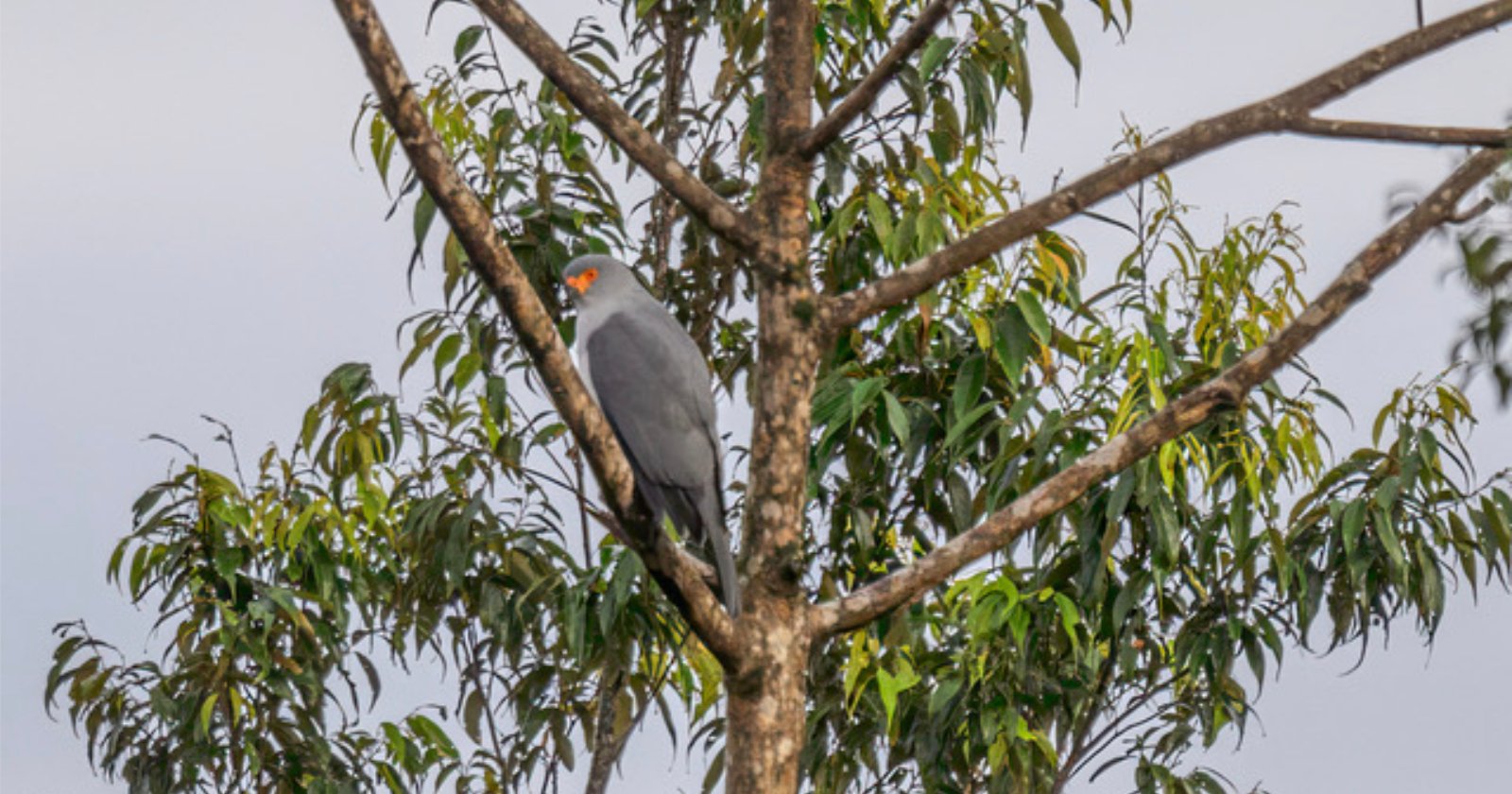
Consider the "Deepfake Biodiversity" hypothesis: if a generated video of a "new" bird species goes viral and is accepted as real, it creates a ghost entry in the public’s understanding of biodiversity. When that animal cannot be found in the wild, it leads to a breakdown in trust between the public and scientific institutions. The skepticism originally reserved for politicians and celebrities is now being applied to the fundamental existence of biological life.
The Technical Gap in Detection
Currently, the tools used to detect synthetic media are reactive. They look for specific artifacts—irregularities in shadow casting, inconsistent frame-to-frame persistence of textures, or "jitter" in fine details like fur and whiskers. However, as diffusion models incorporate physics engines that simulate gravity, wind, and muscle tension, these visual "tells" disappear.
The battle for veracity will likely move from the Visual Layer to the Metadata Layer. Cryptographic signing of raw footage at the point of capture (C2PA standards) is the only viable technical defense. Without a "hardware-backed" chain of custody from the camera sensor to the screen, any video of an animal must be treated as a mathematical construction rather than a biological record.
Strategic Pivot for Wildlife Organizations
To survive this shift, organizations dedicated to the natural world must stop competing on "spectacle" and start competing on "provenance." The value of a wildlife clip in 2026 is no longer its beauty, but its verifiability.
- Implement Hardware-Level Verification: Use cameras that embed encrypted, time-stamped location data into every frame.
- Focus on Process, Not Just Product: Highlighting the difficulty and the "behind-the-scenes" reality of filming becomes a mark of authenticity that AI cannot replicate.
- Establish "Verified Real" Repositories: Create centralized, blockchain-verified databases for educational institutions to ensure that the videos used in classrooms are biological facts, not algorithmic guesses.
The era of passive consumption of wildlife media is over. The "synthetic plausible" has arrived, and it requires a new type of visual literacy—one that prizes the grit and imperfection of the real world over the polished, impossible perfection of the machine.
The strategic imperative for content creators and scientists is to build a "Truth Premium" around authentic media. This involves moving away from the aesthetic of "the perfect shot"—which AI can now mimic flawlessly—and leaning into the raw, often messy, and highly specific data of real-world biology. This ensures that even as the digital world becomes increasingly synthetic, the link between the viewer and the physical reality of the planet remains intact, however frayed.
Would you like me to develop a set of cryptographic provenance guidelines for your media team to ensure content authenticity?
.jpg?auto=compress,format)