Geopolitical stability across Middle Eastern energy corridors and proxy zones operates on strict operational thresholds rather than diplomatic goodwill. When regional friction escalates simultaneously across distinct friction points—ranging from detained military personnel in Gulf states to maritime interdiction in narrow straits and kinetic strikes in the Levant—the underlying architecture reveals systemic vulnerabilities. Analyzing these concurrent developments requires stripping away diplomatic rhetoric to examine the baseline logistics, military cost functions, and coercive leverage points that govern state behavior.
The Triangulation of Gulf Coercion and Interdiction
The public acknowledgment by Iran’s Armed Forces General Staff that Qatar has detained three military pilots since March marks a shift in how regional secondary actors manage bilateral fallout. Initially, Tehran maintained ambiguity regarding the fate of these personnel after their aircraft were downed during early-phase retaliatory sweeps against airbases hosting coalition assets. The tactical calculus behind Qatar's detention of the pilots involves a risk-mitigation strategy for Gulf monarchies caught between direct Iranian retaliation and security alignments with Western powers. By holding the personnel without consular access or communication privileges, Doha retains a high-value diplomatic bargaining chip, forcing Tehran to appeal to the International Committee of the Red Cross for humanitarian verification.
Concurrently, maritime operations in the Strait of Hormuz demonstrate how physical chokepoints convert localized naval friction into global supply chain shocks. The persistent targeting of commercial tankers operated by Abu Dhabi entities in the vital waterway illustrates an asymmetric pressure campaign designed to raise transit insurance premiums and test regional air-naval defense umbrellas. Because roughly one-fifth of globally traded hydrocarbons historically transit this narrow passage, intermittent disruptions function as economic leverage. Iran's de facto assertion of control over the waterway—following initial coalition strikes—creates a permanent strategic tax on maritime commerce, shifting the cost curve for energy exporters in the southern Gulf.
Structural Fragility in the Levant Ceasefire Architecture
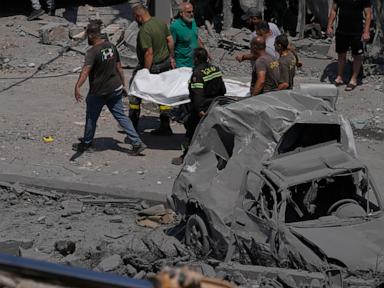
The kinetic escalation in southern Lebanon, highlighted by airstrikes resulting in eleven fatalities across locations such as Ansar and Deir al-Zahrani, exposes the mechanical flaws inherent in fragile truce frameworks. The arrangement negotiated to manage Israeli force withdrawals in exchange for Hezbollah's disarmament suffers from a fundamental structural deficit: the exclusion of non-state actors from direct compliance mechanisms. When a ceasefire framework relies on state signatories to enforce terms upon heavily armed domestic factions that reject bilateral engagement, enforcement collapses under the weight of tactical provocations.
Military commanders operating in decentralized environments frequently utilize localized operational necessities—such as targeting battalion infrastructure or responding to explosive drone attacks—that systematically violate the spirit of broader cessation agreements. The resulting casualty rates among non-combatants and commanders alike serve as lagging indicators of a failed deterrence model. Without synchronized political incentives that address the foundational security dilemma of the border region, kinetic retaliation becomes an inevitable default state, overriding diplomatic milestones.
The Economic and Logistical Feedback Loop
The convergence of detained pilots, maritime chokepoint blockades, and localized artillery and air campaigns forms an interconnected feedback loop. Each friction domain reinforces the others through specific economic and military vectors:
- Maritime interdiction in the Strait of Hormuz increases global energy price volatility, providing state actors with expanded fiscal thresholds to sustain protracted proxy conflicts.
- Unresolved prisoner accounting and detentions in neutral Gulf states harden diplomatic positions, reducing the probability of localized de-escalation agreements.
- Ceasefire failures in southern Lebanon trigger secondary defensive postures across regional proxy networks, including Red Sea missile interdictions by Houthi forces, which stretch coalition naval defense assets thin.
This multi-front friction maximizes resource drain across both offensive and defensive coalitions. States maintaining forward-deployed naval and air assets must constantly balance resource allocation between Gulf maritime protection and Eastern Mediterranean air defense coverage.
Strategic Execution and Force Posture Realignment
To stabilize operational output and mitigate exposure to systemic supply shocks, multinational energy importers and regional defense planners must shift from reactive crisis management to structural isolation of chokepoint vulnerabilities. Naval escorts through the Strait of Hormuz require automated, decentralized defensive architecture capable of absorbing high-frequency asymmetric strikes without relying on static port facilities. Simultaneously, diplomatic channels concerning detained military personnel must decouple humanitarian verification from broader territorial concessions to prevent total information blackouts. Regional command structures must price in the permanent fragility of Levantine ceasefires, treating periodic kinetic spikes not as anomalies, but as structural certainties of an incomplete security architecture.