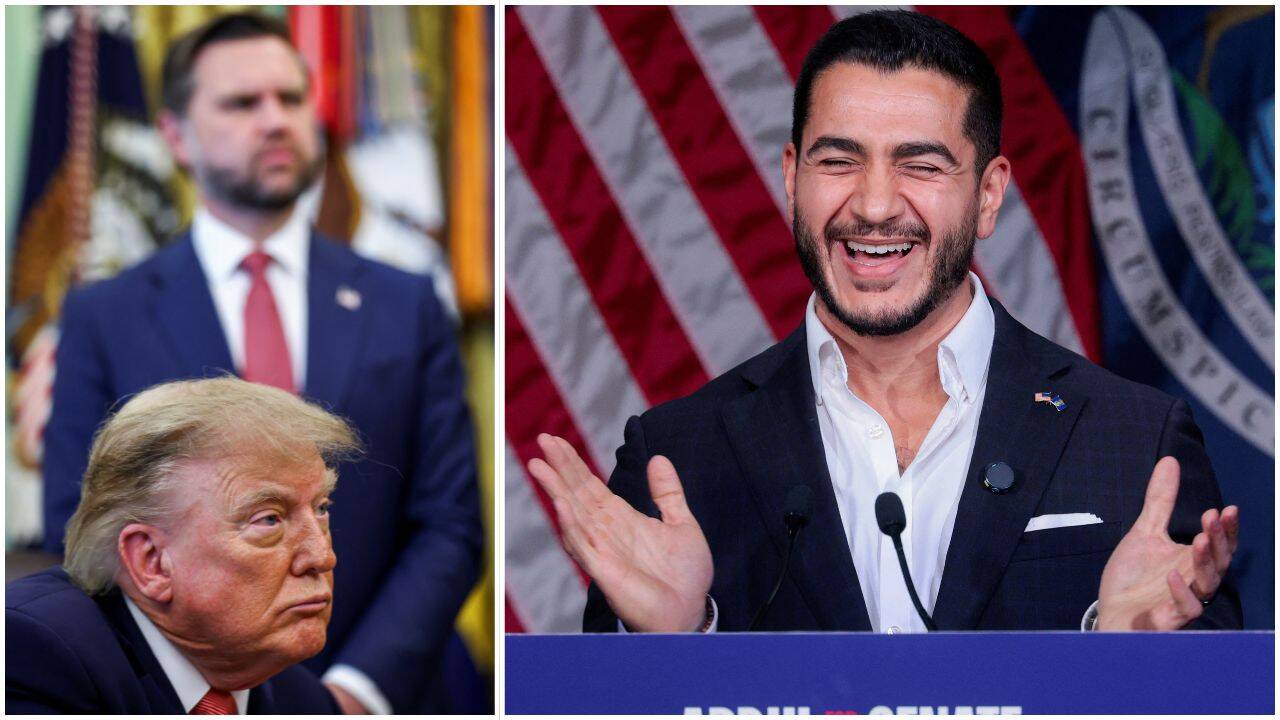
Representation milestones in American electoral politics are routinely covered as isolated human-interest triumphs rather than measurable shifts in institutional power and candidate recruitment pipelines. When a cycle produces the first Black woman elected governor alongside groundbreaking LGBTQ+ representation in the United States Senate, standard political reporting treats these outcomes as emotional endpoints. In reality, these victories are the lagging indicators of multi-cycle structural changes in party primary dynamics, fundraising infrastructure, and demographic coalition building. Understanding the 2026 US midterm elections requires stripping away celebratory rhetoric to examine the exact institutional bottlenecks that previously blocked underrepresented candidates from executive and upper-chamber offices, and the specific operational mechanisms that dismantled those barriers.
The Structural Bottlenecks of Executive and Senate Offices
To evaluate why certain milestones took until 2026 to materialize, analysts must distinguish between legislative body representation and single-seat executive or statewide offices. The United States House of Representatives operates on geographic concentration; the Voting Rights Act and subsequent redistricting frameworks created majority-minority districts and dense urban enclaves that reliably elect diverse candidates. Statewide races—specifically governorships and US Senate seats—eliminate geographic insulation. A candidate cannot win a statewide plurality solely through localized demographic concentration; they must assemble a cross-regional coalition capable of clearing a 50 percent threshold across urban, suburban, and rural precincts.
Historically, three compounding bottlenecks prevented Black women and openly gay candidates from clearing this statewide threshold:
- The Executive Experience Paradox: Voters apply asymmetric vetting standards to executive roles compared to legislative roles. Legislators are judged on ideological alignment and constituent advocacy; governors are judged on perceived administrative competence, crisis management, and fiscal stewardship. Historically, party gatekeepers steered Black women toward legislative tracks rather than municipal executive or statewide administrative roles (such as Attorney General, Secretary of State, or Lieutenant Governor), creating an artificial deficit in the exact credentials statewide general electorates demand.
- Asymmetric Risk Aversion in Donor Networks: Early-stage campaign capital—the "invisible primary"—relies heavily on bundled contributions from established institutional donors. For decades, bundlers categorized non-traditional statewide candidates as high-risk investments, starving their campaigns of the initial liquidity required to build name recognition, secure top-tier media consultants, and survive brutal primary challenges.
- The "Electability" Feedback Loop: Party committees and super PACs allocate general election resources based on predictive polling models weighted by historical turnout. Because no Black woman had ever won a governorship prior to this cycle, predictive models lacked baseline comparative data, systematically discounting their general election viability and triggering self-fulfilling funding shortfalls during critical autumn media buys.
The Three Pillars of the 2026 Breakthrough
The historic wins in the 2026 midterm cycle did not occur because the American electorate suddenly abandoned implicit biases. They occurred because political operatives engineered specific structural workarounds to neutralize the bottlenecks listed above.
1. Pipeline Institutionalization and Credential Stacking
The candidates who broke through in 2026 did not emerge as political outsiders; they arrived at the general election with bulletproof institutional resumes designed to neutralize the executive experience paradox. Over the preceding decade, targeted recruitment organizations focused systematically on down-ballot executive and statewide offices. By securing roles as mayors of major metropolitan areas, state attorneys general, and lieutenant governors, these candidates accumulated indisputable operational track records. When they entered the 2026 gubernatorial and Senate primaries, opponents could not deploy the standard attack line regarding a lack of executive readiness. The candidates had already managed multi-billion-dollar budgets, overseen state agencies, and navigated public crises under statewide media scrutiny.
2. Decoupled Small-Dollar Liquidity
The traditional reliance on conservative institutional bundlers was bypassed through maturing digital fundraising architectures. In 2026, historic candidates demonstrated an ability to nationalize their primary and general election races, converting milestone status from a perceived general-election liability into a potent small-dollar acquisition engine. Instead of begging local gatekeepers for seed capital, these campaigns generated high-velocity recurring contributions from out-of-state ideological donors. This early liquidity allowed them to lock in prime broadcast inventory months ahead of schedule, effectively insulating them from late-cycle party committee hesitation.
3. Coalition Realignment in Suburban Swing Precincts
Winning a statewide race requires winning the suburban periphery. In previous cycles, opposition campaigns successfully weaponized identity-based wedge issues to depress turnout or flip moderate suburban voters. In 2026, successful historic candidates neutralized this tactic through strict message discipline centered on material economic governance—housing supply, healthcare costs, infrastructure, and public safety. By anchoring their campaigns in tangible pocketbook metrics while letting their biographical milestones speak passively through earned media, they retained base enthusiasm in urban cores while preventing defection among college-educated suburban independents.
Gubernatorial Authority vs. Senate Leverage
Conflating the election of a Black woman governor with the election of an openly gay US Senator obscures the vastly different institutional powers each office confers. Standard media coverage groups these victories under a single banner of "progress," ignoring how differently these two roles operate within the American constitutional system.
- Unilateral Executive Action (The Governorship): A governor possesses immediate, concentrated administrative authority. Through executive orders, agency appointments, state budget vetoes, and judicial nominations, a governor directly controls the implementation of state law. For a Black woman holding this office, the institutional impact is immediate: diversification of state boards, redirection of state procurement contracts, and direct influence over state-level Medicaid, education, and criminal justice administration. Furthermore, a successful governor immediately enters the top tier of viable presidential and vice-presidential contenders, permanently altering the national executive pipeline.
- Procedural and Committee Leverage (The US Senate): A single US Senator is one vote out of one hundred. Institutional power in the Senate accrues slowly through seniority, committee assignments, and procedural leverage over judicial confirmations and legislative holds. While an openly gay Senator brings critical lived perspective to closed-door caucus negotiations and floor debates over civil rights, healthcare, and judicial appointments, their immediate unilateral power is constrained by Senate rules and party leadership dynamics. Their primary structural value in the short term is visibility and agenda-setting within the legislative branch, rather than immediate executive execution.
Limits of Descriptive Representation
Rigorous analysis requires acknowledging the hard boundaries of what these electoral milestones actually accomplish. Political science distinguishes between descriptive representation (a leader sharing demographic traits with constituents) and substantive representation (the enactment of policies that materially benefit those constituents).
The elevation of historic candidates to governorships and the Senate guarantees descriptive representation, but it does not automatically produce substantive policy outcomes. A Black woman governor facing a hostile, opposition-controlled state legislature possesses limited ability to pass statutory reforms; her power is largely defensive, relying on the veto pen and administrative rulemaking. Similarly, a groundbreaking Senator operating within a narrowly divided chamber remains subject to the filibuster and the ideological median of their caucus.
Over-indexing on candidate identity also introduces strategic vulnerabilities for party organizations. Treating demographic milestones as an automatic substitute for rigorous policy delivery risks alienating core voting blocs if material economic conditions do not improve. Voters in 2026 rewarded competence and economic focus; if the resulting governance fails to deliver measurable improvements in cost of living or public services, the historic nature of the victory will provide zero insulation against a backlash in subsequent cycles.
Strategic Imperatives for Campaign Operators and Advocacy Groups
The 2026 midterm outcomes prove that structural barriers to statewide office are permeable, provided campaigns execute with operational precision. Party strategists, donor networks, and candidate recruitment organizations must immediately codify the lessons of this cycle into standard operating procedure rather than treating them as anomalies.
- Shift Early Capital Allocation: Institutional donors and party committees must update their predictive viability models to weight small-dollar fundraising velocity and down-ballot executive credentials over outdated demographic assumptions. Seed capital must be deployed in the first two quarters of the cycle to secure media rates and deter weak primary challengers.
- Mandate Down-Ballot Executive Tracking: Recruitment pipelines must prioritize municipal executive roles, state attorneys general, and financial offices (treasurer, comptroller) over safe legislative seats. Building a deep bench of candidates with direct budgetary and administrative authority is the single most reliable method for winning future gubernatorial races.
- Enforce Pocketbook Message Discipline: Campaigns running historic candidates in purple or lean-red states must anchor their paid media entirely on economic and administrative competence. Identity should function as an organic mobilization tool for base turnout and national fundraising, never as the primary persuasion argument for swing-district voters.