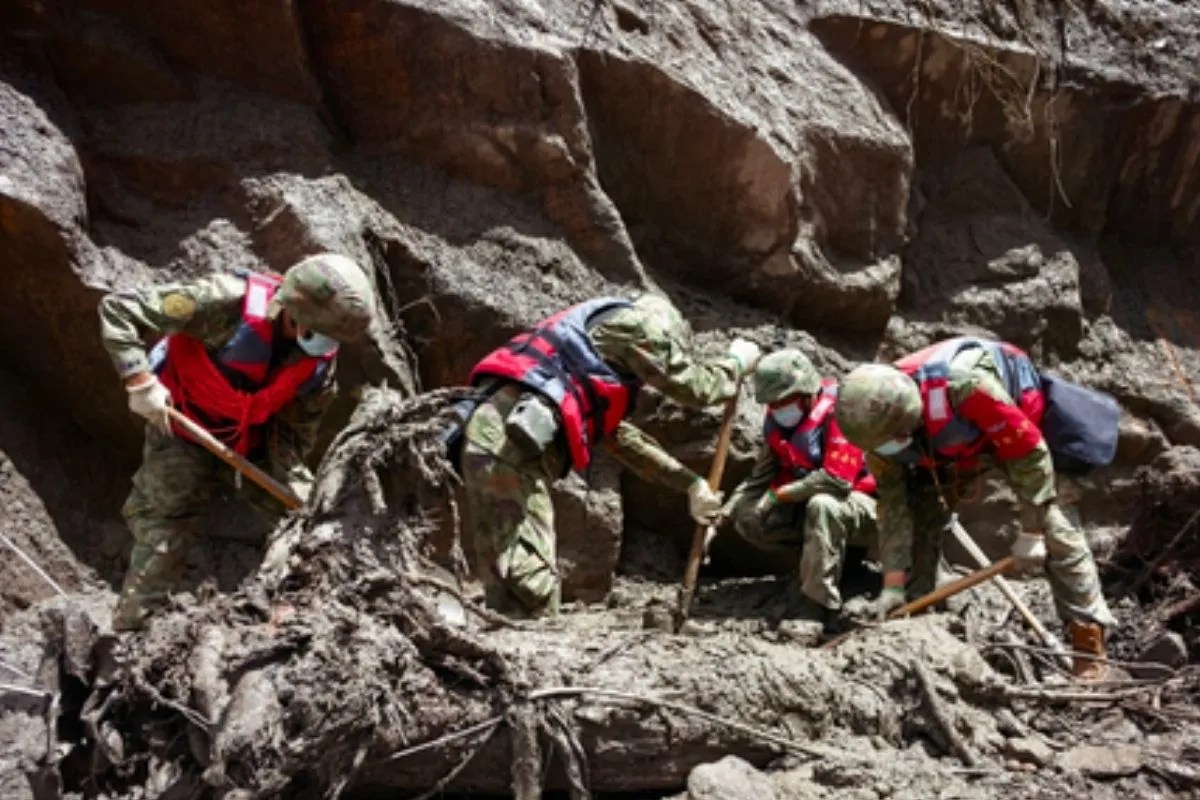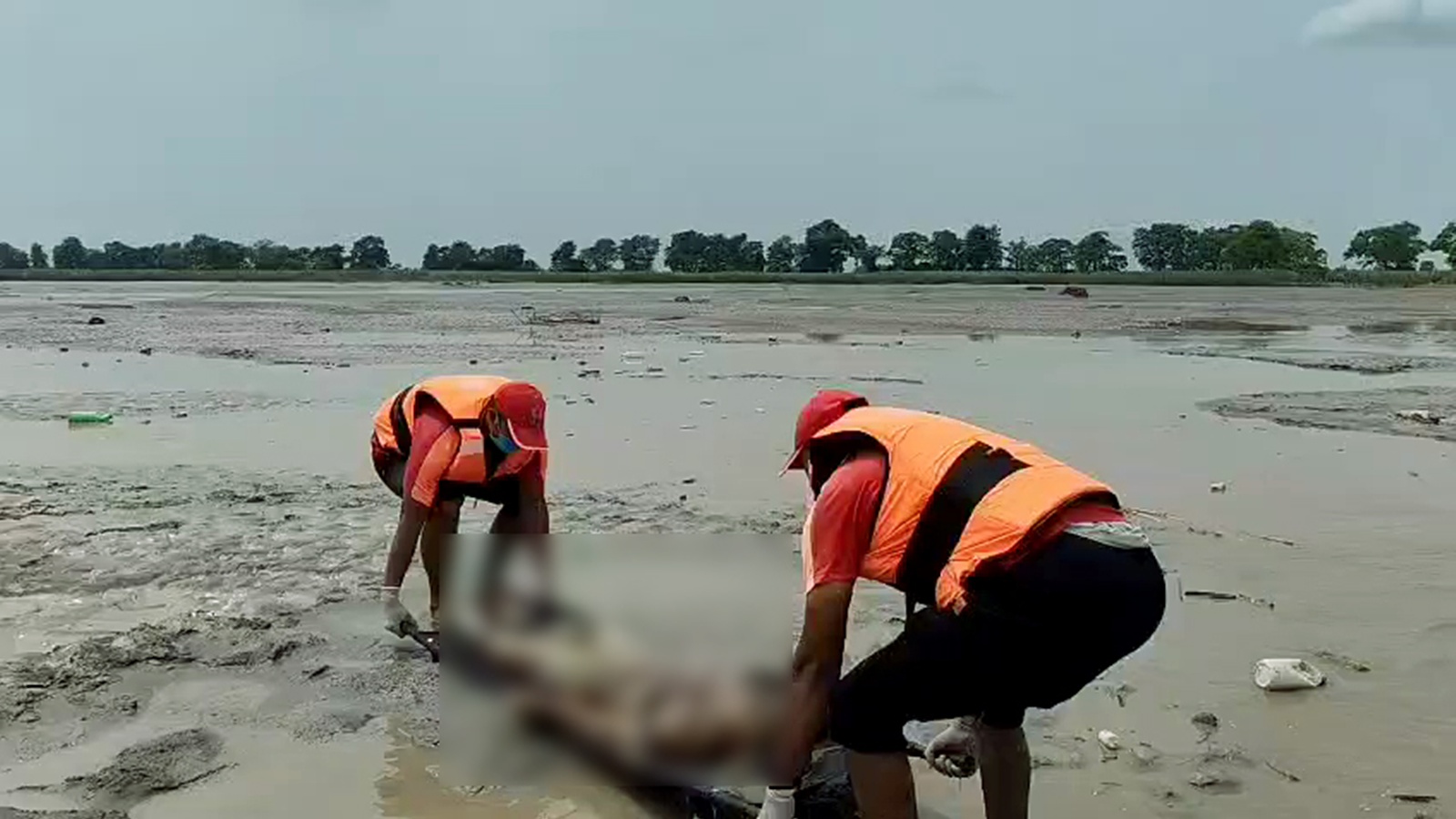
Climate volatility in High Asia functions as a stress test for fragile regional infrastructure, exposing the systemic vulnerabilities of mountain economies where ecological fragility intersects with rapid, unregulated human development. When flash floods and catastrophic landslides struck Nepal and Tibet, the resulting casualty figures—at least six33 confirmed dead and over three thousand missing, including four foreign nationals—highlighted a critical failure in baseline emergency response capacity, early warning telemetry, and cross-border data sharing. Traditional disaster reporting treats these events as stochastic anomalies or unpredictable acts of nature, obscuring the underlying mechanical drivers that transform seasonal monsoon pulses into systemic humanitarian crises. Evaluating the true cost function of these disasters requires deconstructing the physical, economic, and logistical bottlenecks that amplify baseline meteorological hazards into large-scale regional failures.
The Physical Mechanics of Himalayan Hydro-Meteorological Disasters
The convergence of steep terrain, retreating glaciers, and intense precipitation creates a high-risk environment for mass-wasting events and flash floods. Monsoon dynamics in this corridor are shifting, characterized by shorter windows of hyper-concentrated rainfall rather than distributed seasonal precipitation. When hundred-millimeter rain events saturate unstable scree slopes and glacial moraines, the soil matrix loses its shear strength, triggering rapid debris flows that travel down narrow river valleys at high velocity.
Infrastructure in these corridors is rarely engineered to withstand high-energy bedload transport. Roads carved into steep canyon walls act as artificial catchment channels, concentrating runoff and accelerating erosion. Hydroelectric facilities, which represent a major capital investment for both Nepal and the Tibet Autonomous Region, face severe siltation and structural battering during these high-discharge events. The design parameters for these structures often rely on historical hydrological data that fail to account for accelerated glacial melt and anomalous atmospheric river inputs. Consequently, structural engineering standards in the region lag behind the velocity of environmental change, ensuring that each successive monsoon cycle tests new points of failure in the civil engineering baseline.
The Economic and Logistical Cost Function
Disaster impacts in high-altitude terrain scale non-linearly due to extreme isolation and single-point-of-failure supply chains. When primary arterial routes—such as the Friendship Highway connecting Tibet to Nepal—are severed by landslides, remote communities are immediately cut off from medical resupply, heavy extraction equipment, and structural reinforcement materials.
The economic fallout is bifurcated into immediate emergency expenditure and long-term capital destruction. Immediate costs involve search-and-rescue sorties, emergency medical triage, and temporary shelter establishment in environments where flat terrain is scarce. Long-term costs include the capitalization required to rebuild washed-out bridges, stabilize slope failures, and restore interrupted power grids. Because local municipal budgets lack the fiscal depth to absorb these shocks, reconstruction relies heavily on sovereign debt or international aid disbursements, creating a recurring cycle of vulnerability where recovery phases are perpetually interrupted by the next seasonal shock. Tourism, a primary foreign exchange earner for Nepal and a regulated economic driver in parts of Tibet, suffers prolonged contractions as international insurers reprice risk and foreign nationals reassess travel safety parameters.
Cross-Border Information Asymmetry and Early Warning Deficits
Mitigating loss of life during catastrophic hydro-meteorological events depends entirely on the lead time provided by upstream monitoring systems. The transboundary nature of Himalayan river basins—such as the Koshi, Gandaki, and Karnali systems—means that weather phenomena originating in the high-altitude plateaus of Tibet directly dictate downstream flood crests in Nepal and northern India.
Effective mitigation is structurally impaired by institutional and geopolitical friction that limits real-time hydrological data sharing between nations. Upstream precipitation gauges and glacial lake outburst flood monitoring stations transmit telemetry that often halts at national borders rather than feeding into an integrated, regional early warning architecture. Downstream communities in Nepal frequently receive delayed alerts, compressing evacuation windows from hours to minutes. This informational lag transforms manageable hydrological events into mass-casualty events, as early warning systems fail to bridge the gap between meteorological data collection and ground-level civilian mobilization.
Operational Realignment for High-Risk Mountain Corridors
To transition from reactive disaster management to predictive risk mitigation, regional authorities must abandon static floodplain zoning and adopt dynamic, multi-hazard risk modeling that incorporates cryospheric changes. Civil engineering protocols must shift from repairing historical damage profiles to designing adaptive infrastructure capable of absorbing high-energy debris flows without total structural collapse. This requires mandatory structural audits of all existing run-of-river hydroelectric projects and arterial bridges within active seismic and monsoon zones, paired with automated shut-off systems linked to upstream river gauges.
Simultaneously, diplomatic frameworks must depoliticize hydrological data, establishing a unified, automated sensor network across the Himalayan watershed that bypasses bureaucratic friction during high-stress weather windows. Without a synchronized transboundary architecture and a fundamental upgrade to engineering redundancy standards, future monsoon cycles will continue to exploit these structural deficits, converting predictable seasonal events into recurring humanitarian emergencies.