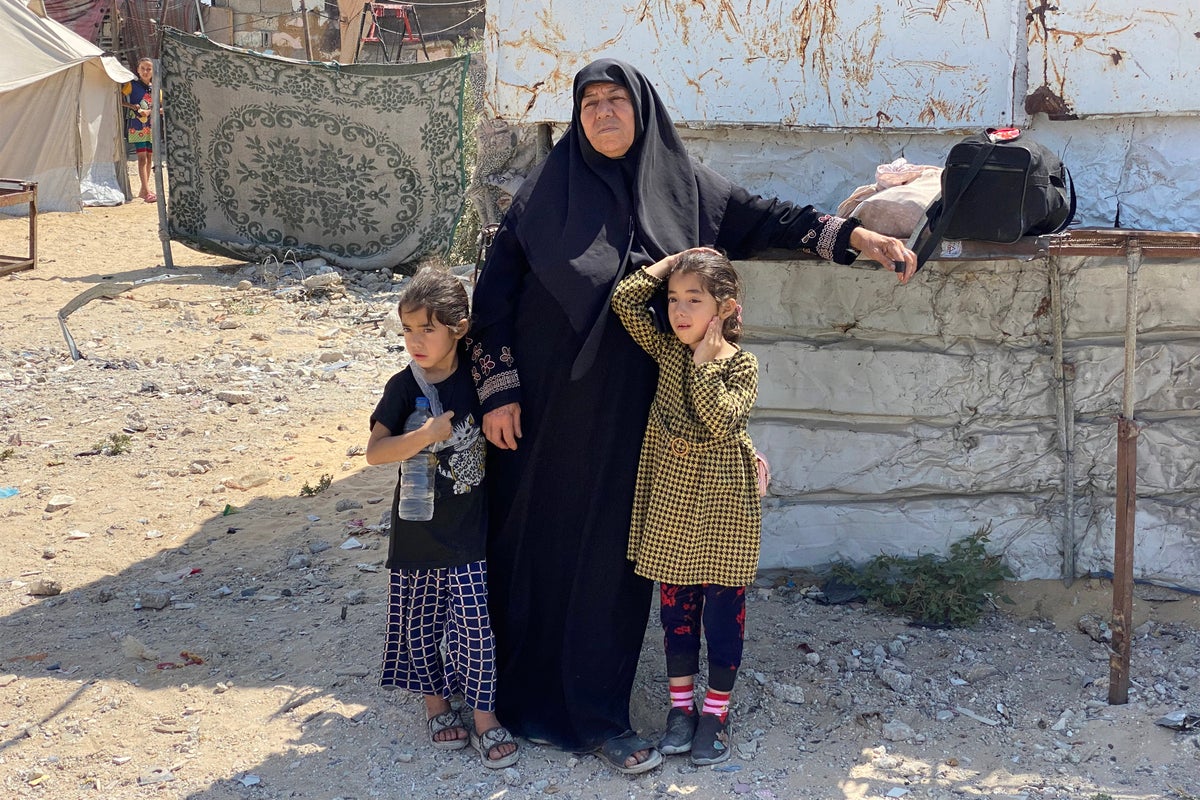
The demographic impact of the Gaza conflict is not a byproduct of kinetic action alone but a predictable result of the total collapse of gender-specific protection and healthcare systems. When the United Nations reports that dozens of women and girls are killed daily, it describes the terminal stage of a systemic failure. To understand this crisis, one must analyze it through three distinct vectors: direct kinetic lethality, the degradation of the reproductive health supply chain, and the collapse of the "safe zone" logic within high-density urban warfare.
The Architecture of Vulnerability
The disproportionate impact on women and girls stems from the intersection of traditional domestic roles and the reality of modern urban bombardment. In Gaza, the concentration of civilians in residential structures means that the destruction of a single multi-family dwelling results in "mass casualty events" that primarily affect those stationary within the domestic sphere. For a different look, see: this related article.
The Domestic Trap
Traditional gender roles often dictate that women remain within the home to care for children and the elderly, while men may be more mobile or involved in seeking resources. During aerial campaigns, the home—historically a site of safety—becomes a high-risk environment. The structural failure of these buildings creates a specific casualty profile:
- Compression injuries: Results of structural collapse.
- Thermal trauma: From the high incendiary nature of modern munitions in confined spaces.
- Asphyxiation: Caused by the dust and debris of pulverized concrete.
The inability to evacuate these spaces effectively is exacerbated by the lack of early warning systems and the speed of kinetic engagement. When a residential block is targeted or caught in the crossfire, the inhabitants have zero lead time for egress. Related insight on this matter has been shared by Al Jazeera.
The Reproductive Health Supply Chain Failure
Beyond direct violence, the mortality rate for women is driven by the systematic dismantling of reproductive healthcare. This is a "silent" mortality factor that does not always appear in immediate daily death tolls but compounds over time.
Obstetric Near-Misses and Fatalities
There are approximately 50,000 pregnant women in Gaza. The war has converted routine biological processes into life-threatening medical crises. The following factors create a fatal bottleneck:
- Facility Inaccessibility: Hospitals are either destroyed, repurposed for trauma care, or unreachable due to damaged infrastructure.
- Sterile Environment Collapse: Caesarean sections and complicated deliveries are being performed without anesthesia, antibiotics, or clean water. This leads to high rates of sepsis, a leading cause of maternal mortality.
- Postnatal Attrition: The lack of nutritional support for nursing mothers leads to lactation failure, forcing a reliance on contaminated water for formula, which triggers a cycle of pediatric dehydration and death.
The failure of this supply chain is not merely an absence of medicine; it is the destruction of the specialized staff and equipment required to manage obstetric emergencies. When a neonatal intensive care unit (NICU) loses power, the mortality rate for the most vulnerable girls and boys hits 100% within hours.
The Logic of Displacement and "Safe Zone" Failures
The designation of "safe zones" has failed to provide the promised protection, largely due to the density requirements of these areas and the lack of basic sanitation. For women and girls, the risks in these zones are multifaceted.
Sanitation-Induced Mortality
The ratio of persons to toilets in displacement camps often exceeds 1:400. For women, this creates a specific health crisis. The lack of menstrual hygiene products and private, clean facilities leads to:
- Chronic Urinary Tract Infections (UTIs): Which, if untreated, lead to kidney failure or systemic infection.
- Reproductive Tract Infections: Caused by the use of unsanitary materials in place of hygiene products.
- Secondary Infections: Crowded conditions accelerate the spread of Hepatitis A and respiratory illnesses, which hit pregnant women and the malnourished particularly hard.
The Breakdown of Social Protection
Displacement strips away the traditional social structures that provide a modicum of safety. In overcrowded shelters, women and girls face increased risks of gender-based violence and exploitation. The psychological toll of managing family survival under these conditions leads to severe "toxic stress," which has been clinically proven to induce premature labor and lower birth weights, further straining a non-existent medical system.
Quantifying the Demographic Shift
The deaths of dozens of women and girls daily is not a static number; it is a dynamic pressure on the future demographic viability of the population.
The Mortality Multiplier
Every maternal death carries a multiplier effect on pediatric mortality. Statistical evidence from conflict zones shows that motherless children have a significantly lower survival rate due to the loss of primary care, nutritional security, and protection. In Gaza, the "Orphaned with No Surviving Family" (WCNSF) category has become a standardized medical designation, reflecting a total collapse of the nuclear family unit.
Data Collection Impediments
It is critical to recognize that the reported numbers are likely undercounts. The methodology for data collection in Gaza—relying on hospital morgues and health ministry reporting—is hampered by:
- Communication Blackouts: Preventing the reporting of deaths in remote or besieged areas.
- Unrecovered Victims: Thousands remain under the rubble, unaccounted for in daily tallies.
- Indirect Mortality: Deaths from slow-acting causes like infection, malnutrition, and lack of chronic disease medication (insulin, dialysis) are often omitted from "war-related" statistics.
Strategic Realities of Urban Siege
The conflict in Gaza illustrates a shift in modern warfare where the "front line" is entirely integrated with the civilian infrastructure. This integration ensures that the tactical objectives of an invading force will inevitably conflict with the survival requirements of the female and pediatric population.
The Kinetic vs. Systemic Debate
Current international discourse focuses heavily on whether specific strikes are justified under the principle of proportionality. However, from a strategic analysis perspective, the cumulative systemic damage is the more significant variable. The destruction of a water desalination plant or a power grid kills more people over a six-month period than a single airstrike. Women, as the primary managers of household health and resources, are the first to feel the impact of these systemic failures.
The attrition of the female population in Gaza represents a permanent shift in the region's socio-economic fabric. The loss of teachers, healthcare workers, and mothers creates a vacuum that international aid cannot fill.
Immediate intervention strategies must move beyond the delivery of generic food aid and focus on the restoration of the "Specialized Survival Infrastructure." This includes the deployment of mobile field hospitals with dedicated obstetric suites, the immediate restoration of water treatment facilities to combat female-specific health crises, and the establishment of verified safe corridors for the evacuation of high-risk medical cases. Without a fundamental change in the operational logic of the conflict—moving from "aid delivery" to "systemic restoration"—the mortality rates for women and girls will remain on their current catastrophic trajectory, regardless of shifts in kinetic intensity.