The trajectory of material culture is rarely linear. Artifacts generated within high-cost, elite production systems frequently experience systemic devaluation, physical displacement, and radical recontextualization. The physical career of The Death of Cleopatra, a two-ton neoclassical marble masterwork carved in Rome by Edmonia Lewis in 1876, provides a stark case study in asset degradation. Deconstructing the century-long displacement of this sculpture requires examining the interaction between artistic intent, market failure, physical logistics, and the sociological mechanisms that erase marginalized creators from the institutional canon.
The Production Function and Subversive Neoclassicism
To understand the later degradation of the artifact, one must first analyze the parameters of its creation. Edmonia Lewis, an artist of African-American and Ojibway descent, operated in a nineteenth-century art market dominated by European aesthetic standards and heavily guarded by racial and gender gatekeepers. Producing a monument of this scale—measuring over five feet in height, width, and depth, and weighing nearly three tons—demanded massive capital expenditure, access to Carrara marble quarries, and a dedicated workshop of Italian stone-cutters.
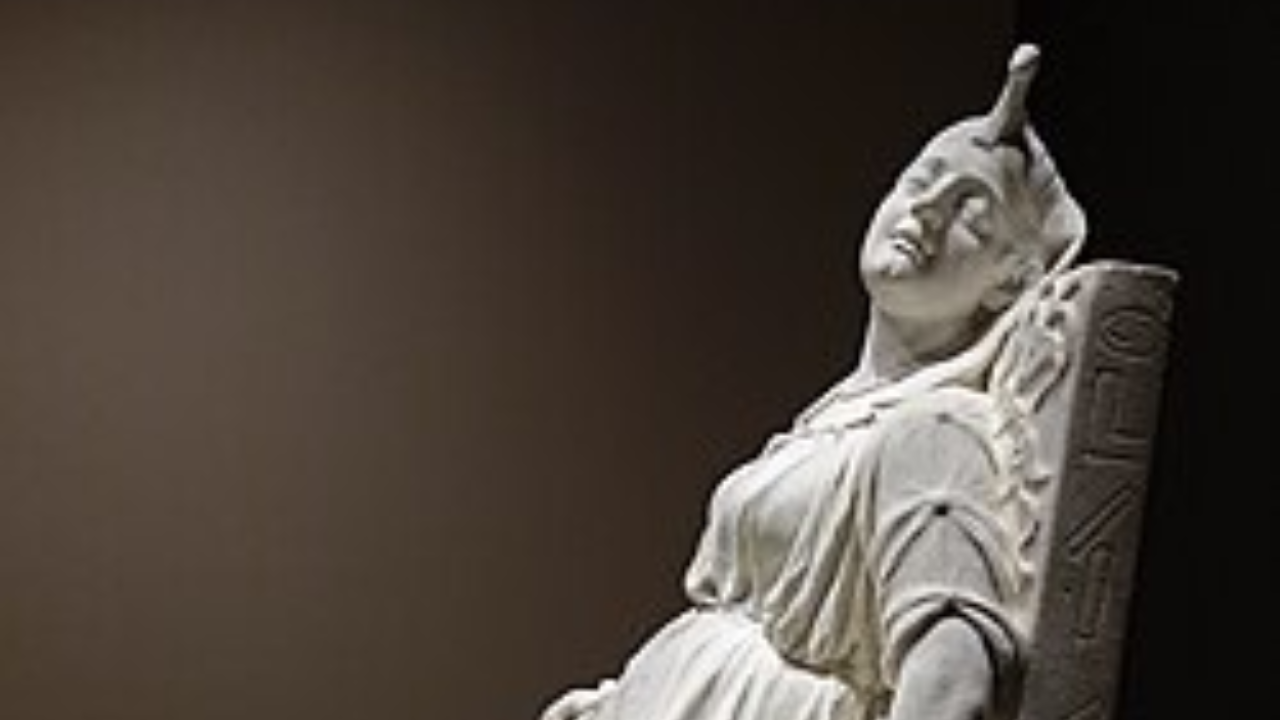
Lewis rejected the conventional iconography of her neoclassical contemporaries. Prior representations of Cleopatra favored the aestheticized, passive moment of sensual anticipation—the queen toying safely with an asp while alive and decorative. Lewis subverted this visual formula by capturing the sovereign post-mortem. Cleopatra is depicted slumped on her throne, physical crown askew, royal vestments slipping from her shoulder, and the lethal puncture wound of the asp concealed in her right hand.
This choice altered the power dynamic of the narrative. By portraying the queen after the act of self-determination, Lewis foregrounded agency over eroticism. When shipped to Philadelphia for the 1876 Centennial Exposition, the sculpture was simultaneously a triumph of technical execution and a direct challenge to the socio-political omissions of an America still navigating the failures of Reconstruction.
The Market Liquidity Crisis and Asset Abandonment
Despite drawing crowds at the Centennial Exhibition and later at the 1878 Chicago Interstate Exposition, the physical object faced a severe liquidity bottleneck. A two-ton marble sculpture is an illiquid asset. It incurs massive storage fees, difficult transport overhead, and requires specialized exhibition space. Unlike oil paintings or small bronzes, it cannot be easily integrated into private domestic collections.
When the exhibitions concluded, the work failed to secure a permanent institutional buyer. The financial burden of returning the massive crate to Rome or maintaining professional storage proved prohibitive. Consequently, the sculpture entered a prolonged phase of administrative abandonment, shifting from exhibition halls to commercial limbo.
The Mechanism of Downward Relocation
The physical survival of an unvalued art object depends on incidental utility. By the late nineteenth and early twentieth centuries, The Death of Cleopatra had transitioned through a series of commercial degradations that exposed it to environmental and structural damage:
- The Saloon Phase: Records indicate the sculpture drifted into a Chicago saloon on Clark Street, functioning as spatial furniture or a curiosity in a commercial drinking establishment where stone surfaces were exposed to smoke, alcohol, and physical impacts.
- The Racetrack Phase: The asset was subsequently acquired by "Blind John" Condon, a notorious Chicago gambler and racehorse owner, and moved to the Harlem Race Track in Forest Park, Illinois.
- The Marker Function: Upon the death of a favored racehorse named Cleopatra, the historical irony of the animal's moniker prompted owners or track managers to repurpose the three-ton neoclassical masterpiece into an open-air grave marker.
This final relocation subjected the Carrara marble to unchecked freeze-thaw cycles, acid rain, and biological growth. Outdoor exposure stripped the polish, induced extensive surface suguraration (the chemical breakdown of marble crystals), and threatened the structural integrity of the delicate facial features and limbs. When the racetrack transitioned into a golf course and later a U.S. Navy torpedo factory site, the sculpture was cast aside into a salvage yard, nearly eradicated from the historical record.
Institutional Recovery and Conservation Challenges
The rediscovery of the sculpture in the late twentieth century—culminating in its acquisition and restoration by the Smithsonian American Art Museum—highlighted the severe limits of restorative conservation. Conservator Andrzej Dajnowski undertook a multi-thousand-dollar intervention to arrest structural decay, rebuild missing fingers, and clean decades of embedded grime.
However, the physical toll of its century-long exile remains irreversible. The original surface finish achieved by Lewis in her Roman studio is permanently lost. The biography of The Death of Cleopatra serves as a structural warning regarding how cultural bias and market neglect interact to destroy minority artistic output, transforming monumental political statements into literal equestrian footstones before institutional systems catch up to historical value.
Strategic Priority for Cultural Asset Preservation
Institutions and private collectors holding marginalized historical works must implement proactive valuation frameworks to prevent similar asset loss. First, establish digital photogrammetric archives for heavy physical objects immediately following exhibition cycles, decoupling the survival of the data from the physical substrate. Second, enforce endowment-backed transit and storage covenants for works produced by historically underrepresented creators, mitigating the risk of commercial abandonment. Third, audit municipal and private recreational land holdings for misplaced public art inventories to intercept industrial degradation before structural integrity is compromised.