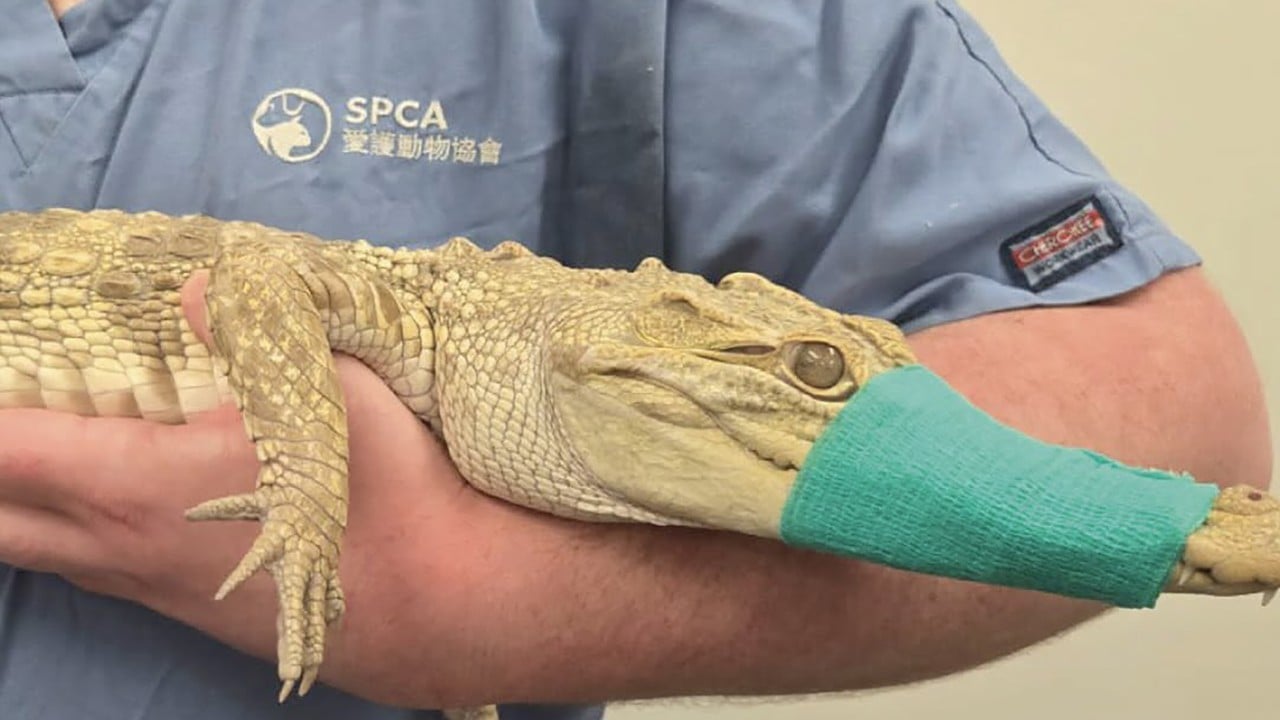
Hong Kong residents are used to sharing their city with wild boars, pythons, and monkeys. But finding a crocodile inside a village building changes the game entirely. That is exactly what happened in the rural area of Pat Heung, Yuen Long, where emergency workers had to capture a young exotic reptile. It is a bizarre incident that highlights a growing, dangerous trend in the city.
The exotic pet trade is booming in underground spaces. This discovery is not an isolated piece of weird news. It is a direct result of illegal smuggling operations that smuggle dangerous predators into dense urban spaces. When these animals grow too large, their owners simply dump them.
The incident unfolded quickly when a resident spotted the crocodile inside a village house structure. The Agriculture, Fisheries and Conservation Department (AFCD) sent a specialized team to handle the situation. The reptile, measuring around one meter in length, was restrained without causing injuries to the public. Experts later identified it as a young crocodile, an animal absolutely not native to Hong Kong.
The Dangerous Reality of Hong Kong Exotic Pet Smuggling
People do not just stumble upon crocodiles in the wild here. Hong Kong lacks the natural habitat for these reptiles. Every single crocodile found in the city arrives through illegal trade networks.
The AFCD has repeatedly warned that keeping endangered species without a license breaks the law. Under the Protection of Endangered Species of Animals and Plants Ordinance, offenders face massive fines and jail time. Yet, the black market thrives because buyers want the status symbol of owning a dangerous predator.
Local conservationists point out that Yuen Long has a history with these animals. The area features low-density housing and villages, making it easier for smugglers or buyers to hide large enclosures. This specific capture mirrors the famous case of Pui Pui, a crocodile caught in the Shan Pui River back in 2003. Pui Pui became a local celebrity and now lives in Hong Kong Wetland Park. Decades later, the city still faces the exact same issue.
Why Dumping Exotic Predators Threatens Local Ecosystems
Releasing a non-native predator into the wild ruins local biodiversity. Hong Kong wetlands support diverse bird populations, amphibians, and small mammals. A growing crocodile population would decimate these fragile ecosystems.
- Appetite: Young crocodiles eat fish and frogs, but adults target larger mammals, including stray dogs or local wildlife.
- Safety risks: Unlike wild boars, which usually flee when confronted, crocodiles are apex ambush predators. They pose a direct threat to children and pets in village areas.
- Disease transmission: Smuggled reptiles rarely undergo quarantine, meaning they can introduce foreign pathogens to local wildlife.
The AFCD routinely monitors known smuggling routes, but the digital shift makes enforcement difficult. Sellers use private social media groups and encrypted messaging apps to find buyers. They deliver the animals using modified cargo shipments or cross-border smuggling boats.
What to Do If You Encounter an Exotic Reptile
Do not try to be a hero. A one-meter crocodile can snap through human bone easily. If you live in the New Territories or rural village areas and spot an unusual reptile, follow these steps immediately.
Call the government hotline at 1823 or contact the police right away. Keep a safe distance of at least ten meters and do not corner the animal, as cornered reptiles strike out of fear. Clear the area of pets and children, as small animals trigger a predator's hunting instinct. If possible, photograph the animal from a safe window to help the AFCD team identify the species before they arrive.
The captured Pat Heung crocodile is now under the care of government veterinarians. It will undergo health screenings to check for diseases before authorities decide on a permanent home, likely a conservation facility or a specialized zoo. This incident serves as a sharp reminder that wild predators belong in nature, not hidden away in a village backroom.