Every single headline right now screams about a delayed diplomatic meeting between Oman, Iran, and Gulf states, hyperventilating over oil markets and potential chokepoint blockages. Analysts are dusting off their tired supply shock playbooks, predicting immediate crude spikes and geopolitical paralysis. It is lazy, predictable, and fundamentally wrong.
The entire narrative relies on a baseline misunderstanding of how modern energy transit actually operates under tension. While the media treats every canceled handshake as a prelude to a blockade, sovereign actors in Tehran, Muscat, and Riyadh are playing a completely different game. They are not preparing for mutual economic suicide. They are running a masterclass in calibrated friction.
The Myth of the Vulnerable Chokepoint
Look past the panic over the Strait of Hormuz meeting postponement and examine the physical and financial plumbing of maritime energy trade. The standard alarmist argument assumes that a diplomatic stall immediately translates to physical disruption.
That theory ignores redundant infrastructure and economic self-interest. Iran does not export oil into a vacuum, and its fiscal survival depends on maintaining continuous flow through Asian buyer channels, primarily China. Shutting down or severely constricting the strait harms Tehran's balance sheet far faster and more permanently than it hurts Western economies that have diversified supply vectors over the past decade.
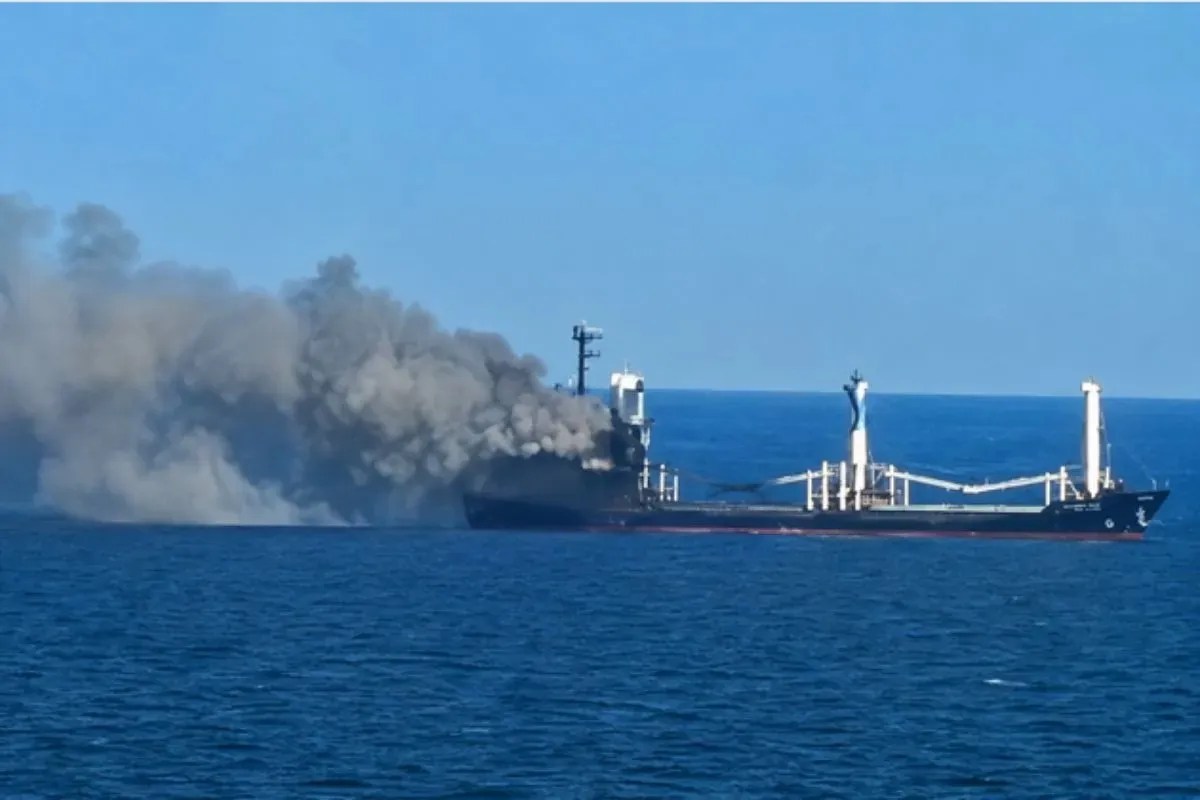
When talks stall, markets react to the phantom of physical closure rather than the reality of logistical adaptation. Tankers do not simply vanish because a ministerial calendar gets rearranged. Insurers adjust premiums, futures traders overreact, and headlines turn apocalyptic. But maritime traffic continues because the cost of total disruption remains unpayable for every single stakeholder involved.
Follow the Real Incentive Structures
To understand why this diplomatic delay matters—and why most commentary misses the mark—we have to look at what was actually on the agenda behind closed doors. Oman acts as the quiet broker for backdoor communications between Washington, regional capitals, and Tehran. When a meeting slips, it rarely means talks have collapsed. It means the leverage points have shifted, and neither side is ready to blink.
Consider the domestic pressures inside Iran and the Gulf Cooperation Council. Tehran faces severe internal economic constraints, making sustained escalation an extreme hazard for regime stability. Meanwhile, Gulf monarchies are locked in a silent race to diversify away from absolute hydrocarbon dependency by 2030. Neither side wants a kinetic conflict or a permanent trade freeze.
What we are witnessing is tactical posturing disguised as crisis. The postponement is a negotiation tactic, not a breakdown of diplomacy. By freezing high-level optics, regional players signal dissatisfaction with specific negotiating terms while keeping the back channels open through Omani intermediaries.
The Trader's Fallacy and Market Reality
Financial commentators love to frame Middle Eastern diplomacy as a binary switch: either peace breaks out or oil prices skyrocket to triple digits. This simplistic model ignores the sophistication of modern risk mitigation.
I have watched desks blow millions trying to trade headline-driven oil spikes that evaporate within forty-eight hours because the underlying physical supply never actually dropped a single barrel. Traders trade the fear; logistics managers trade the reality. And reality tells us that economic interdependence is a remarkably resilient anchor.
If you are positioning your portfolio or your business strategy based on the premise that an Omani-mediated meeting delay signals an imminent supply catastrophe, you are misreading the room. The real story is not that talks stopped. The real story is that both sides are haggling over the price of admission to a new regional security architecture, and the noise is just part of the cost.
Ignore the panic. Watch the physical flows, track the insurance rates, and understand that diplomatic friction is the default state of modern statecraft, not its failure.