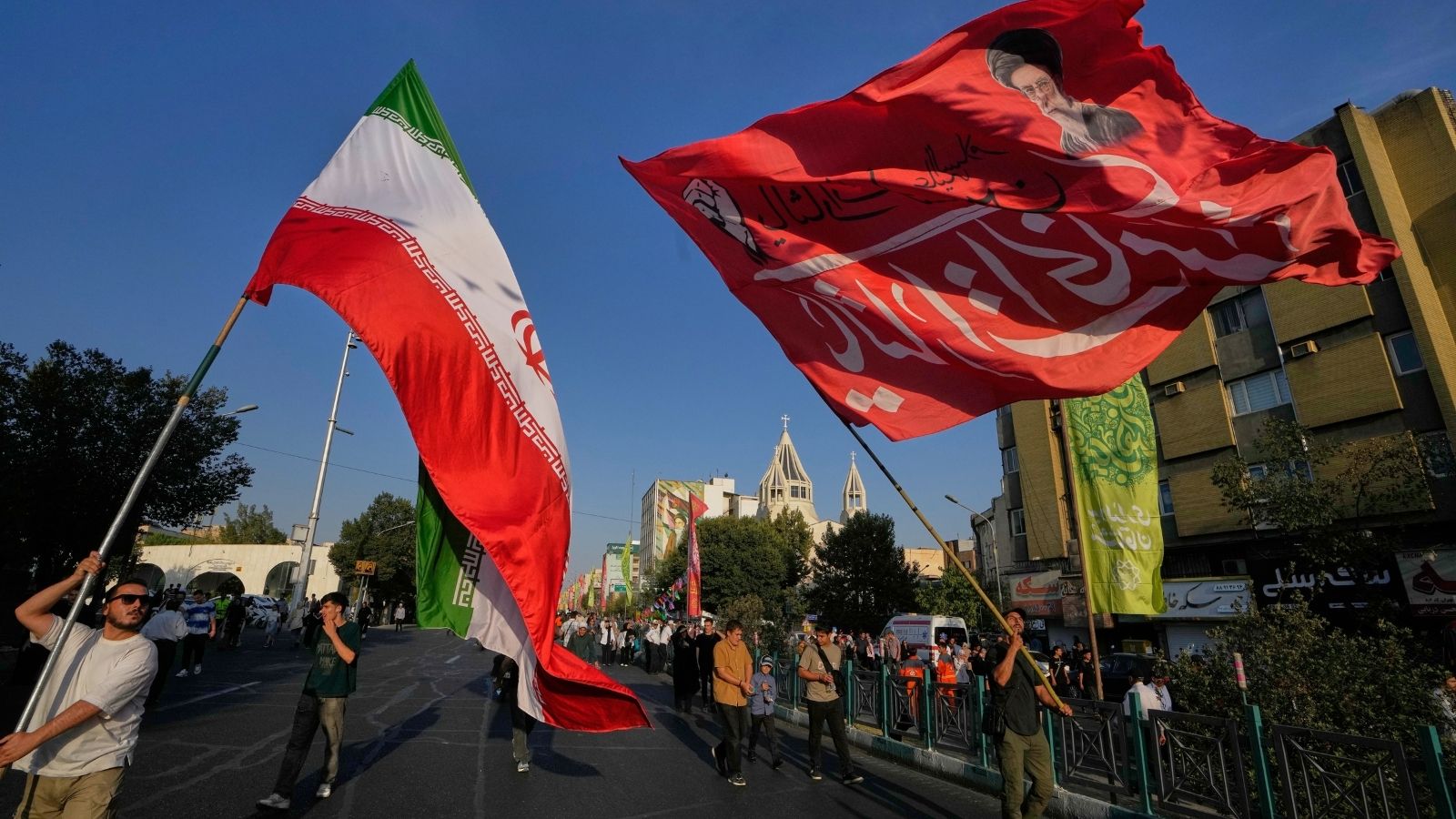
The narrative coming out of state media rooms in Tehran was precise, rehearsed, and designed to send shockwaves through global commodity markets. A supertanker, according to the Islamic Revolutionary Guard Corps, had attempted an unauthorized transit through the southern waters of the Strait of Hormuz, struck two naval mines, and burst into flames.
It was a dramatic dispatch. It was also vigorously disputed within hours by the United States Central Command, which branded the claim flatly false.
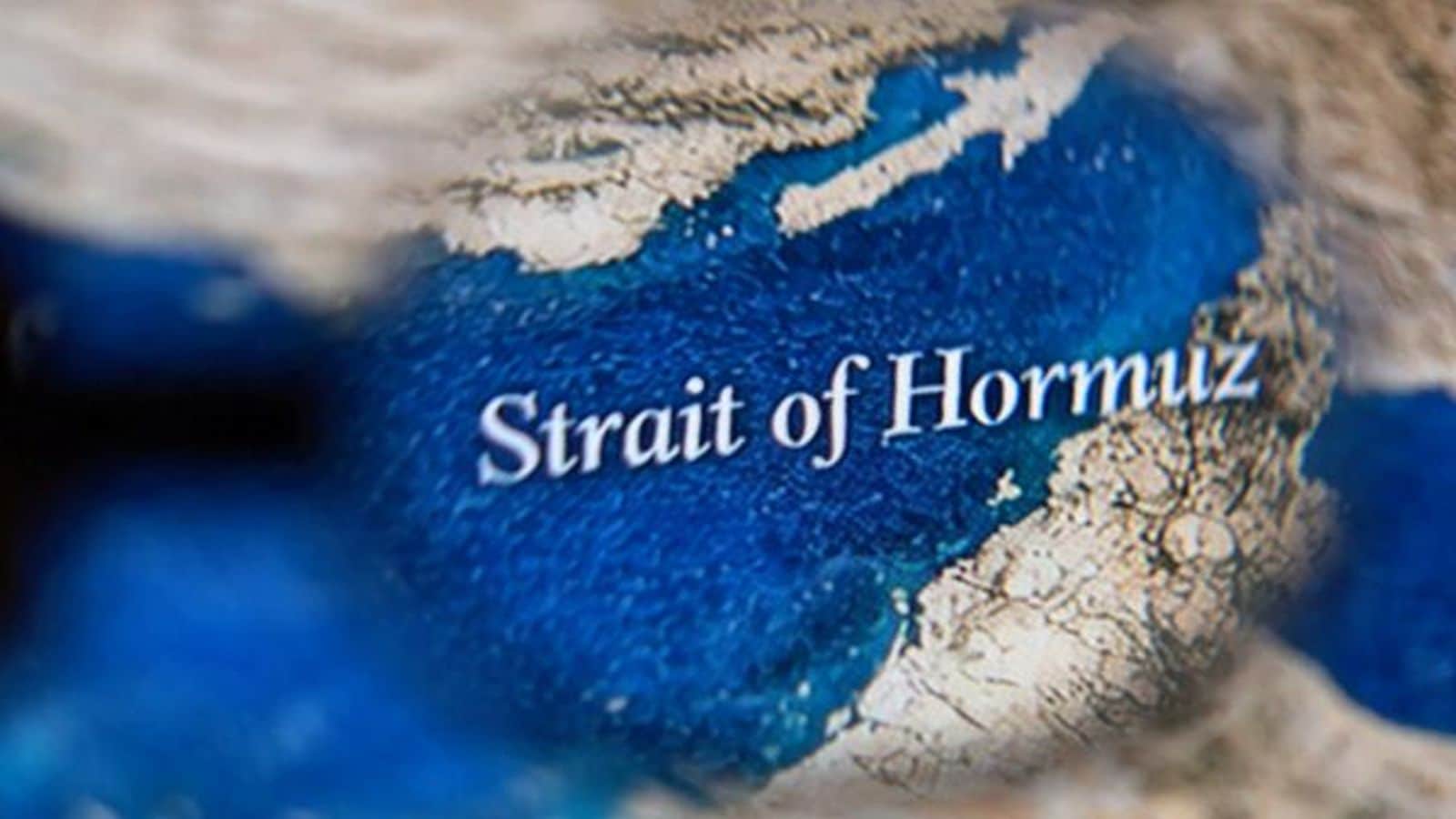
Beneath the propaganda and the diplomatic denials lies a far more grinding reality. The world's most critical energy bottleneck is turning into a graveyard for commercial shipping economics. When the smoke clears from the latest exchange of fire between American aircraft and Iranian launcher sites near Larak Island, what remains is an ongoing maritime siege. The theater of war in the Persian Gulf is no longer just about missiles traded across borders. It is about the systematic strangulation of the twenty percent of global petroleum supply that must squeeze through a channel barely twenty-one miles wide at its narrowest point.
The Anatomy of a Chokepoint
Geopolitics rarely offers geography as stark as this. The Strait of Hormuz connects the Persian Gulf with the Gulf of Oman and the Arabian Sea. On its northern shores sits Iran, possessor of long-range coastal defense batteries, asymmetric swarming craft, and an extensive stockpile of naval mines. On its southern shores lie Oman and the United Arab Emirates.
For decades, the global economy operated on the assumption that this narrow corridor would remain perpetually open. Insurance syndicates in London priced the risk accordingly. Supertankers cleared the passage by the hundreds every single week, moving crude extracted from Saudi fields, Iraqi wells, and Emirati terminals out to refineries in Asia, Europe, and the Americas.
That implicit contract is broken.
Commercial traffic through the strait has plummeted to a fraction of its pre-war volume. Where roughly one hundred and thirty vessels once navigated the lane on a typical day, only a desperate trickle now runs the gauntlet. Shipowners are calculating whether the margin on a cargo of crude is worth the price of a ballistic strike or an underwater mine.
The Politics of Deniability
To understand why a tanker supposedly hitting a mine becomes an international flashpoint, one must look at the mechanics of modern attribution. When a projectile strikes a hull north of Oman, or when state broadcasters announce the fiery halt of a rogue vessel, the immediate casualty is truth.
The United States military maintains that its recent strikes on Iranian rocket batteries were preventative. Washington argues that intelligence feeds caught Revolutionary Guard units actively preparing to seed the shipping lanes with newly minted sea mines. Tehran counters that the American intervention is an act of economic warfare designed to enforce a Western blockade on Iranian ports while pretending to keep global commerce free.
Meanwhile, the maritime insurance industry watches the radar screens with cold calculation. Every reported explosion, whether verified by independent maritime monitors or dismissed by military commands, pushes war-risk premiums higher. These costs do not vanish into the ether. They are passed down the line, embedding inflation into every barrel of refined product that leaves the Gulf.
The strategy pursued by Tehran does not require closing the strait physically with a permanent barrier. It only requires raising the perceived risk to a level that forces captains, insurers, and charterers to voluntarily turn back.
The Illusion of Normalcy
Political leaders in Washington have repeatedly insisted that the strait is open, pointing to the handful of vessels that successfully complete the transit under naval escort or cautious self-navigation. This misses the broader economic point. An open lane that requires multinational naval escorts, constant mine-clearing operations, and triple-digit surcharges on hull insurance is not an open market. It is a militarized corridor operating on borrowed time.
Consider the ripple effects across Asian and European energy markets. Economies heavily reliant on Middle Eastern crudes cannot simply switch off their dependence overnight. When transit times double because vessels take wider, safer arcs, or when ships refuse to sail altogether, the structural deficit hits domestic fuel pumps thousands of miles away.
The weekend strikes near Larak Island and the subsequent retaliatory missile salvos intercepted over Jordan demonstrate how quickly a localized skirmish over minelaying preparations can escalate into a multi-theater exchange. Yet, beneath the explosions and the war of words, the foundational vulnerability of the global energy grid remains unaddressed.
As long as the Strait of Hormuz functions as a geopolitical hostage situation, every shadow on the water, every reported fire, and every disputed mine strike will continue to dictate the rhythm of the global economy. The fire on the horizon is not just burning the paint off a single tanker; it is consuming the final remnants of certainty in international maritime trade.